KOSPI Sinks as AI Investment Fears and Apple Price Hike Rattle Memory Demand
The KOSPI dropped nearly 6% on the 26th under heavy selling by foreign and institutional investors. Apple’s expected product price increases raised concerns that consumer replacement demand could slow, pressuring memory semiconductor orders. Korean chip and technology shares now face renewed valuation pressure tied to AI investment expectations.
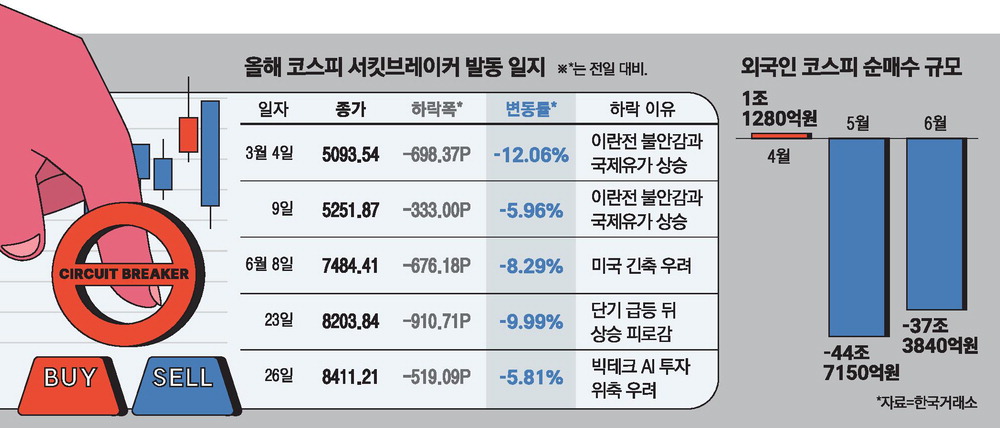
The market message was clear: the KOSPI’s sharp fall on the 26th was not just profit taking. It reflected a broader repricing of AI investment expectations and possible weakness in memory semiconductor demand. As foreign and institutional investors sold aggressively, the index came under heavy pressure and fell nearly 6%.
Apple Price Signal Hits Chip Sentiment
Higher Apple product prices could make consumers delay upgrades for smartphones, PCs, and tablets. That would reduce demand for finished devices and, in turn, for DRAM and NAND memory used inside them. Recent gains in Korean equities were built on expectations for AI server spending, high-performance memory demand, and a semiconductor recovery. Once end-demand looked less secure, investors began reassessing the pace of AI-related investment.
Foreign and Institutional Selling Deepens the Drop
The size of the decline showed broad risk aversion rather than a single-stock issue. Global investors treat Korea as a market highly exposed to the semiconductor cycle and currency swings. When product price hikes, consumer slowdown risks, and AI investment concerns appear together, pressure on the won and worries over foreign fund outflows can rise. For domestic investors, volatility can spread across large chip stocks, IT components, KOSPI 200 ETFs, and retirement accounts.
Outlook for Korean Markets
The correction highlights Korea’s sensitivity to global IT demand. Whether Apple’s higher prices translate into weaker sales still needs confirmation, but the market is already applying stricter standards to memory order growth and AI capital spending. Key indicators ahead include smartphone shipment forecasts, memory price trends, big tech AI capex plans, and any return of net foreign buying. A technical rebound is possible, but volatility is likely to remain high until AI investment concerns ease.
Key points
- The KOSPI dropped nearly 6% on the 26th under heavy selling by foreign and institutional investors. Apple’s expected product price increases raised concerns that consumer replacement demand could slow, pressuring memory semiconductor orders. Korean chip and technology shares now face renewed valuation pressure tied to AI investment expectations.
- Use the body and FAQ context before acting on this update.
- Compare with related issues inside the category hub.
FAQ
Why did the KOSPI fall sharply on the 26th?
Apple’s planned price hikes raised concerns about weaker consumer demand and memory chip orders, while foreign and institutional selling pushed the index nearly 6% lower.
Why do AI investment concerns matter for Korea?
Korea’s market has heavy exposure to semiconductors and large technology stocks, so weaker AI server spending expectations can affect earnings forecasts and valuations.
What should investors watch next?
Smartphone shipment forecasts, memory chip prices, big tech AI capex plans, and whether foreign investors return to net buying are the main signals.
Latest stories
Samsung C&T Target Rises Toward 700,000 Won on Samsung Electronics Stake and Nuclear Momentum
Samsung C&T is being re-rated sharply in the Korean market. Gains in Samsung Electronics and other affiliates have lifted the value of its holdings, while dividend expectations strengthened investor demand. Nuclear infrastructure momentum has added a growth angle, putting a 700,000 won target and strong buy case in focus.
KOSPI Swings After 9,000 Breakout as 9,500 Comes Into View Next Week
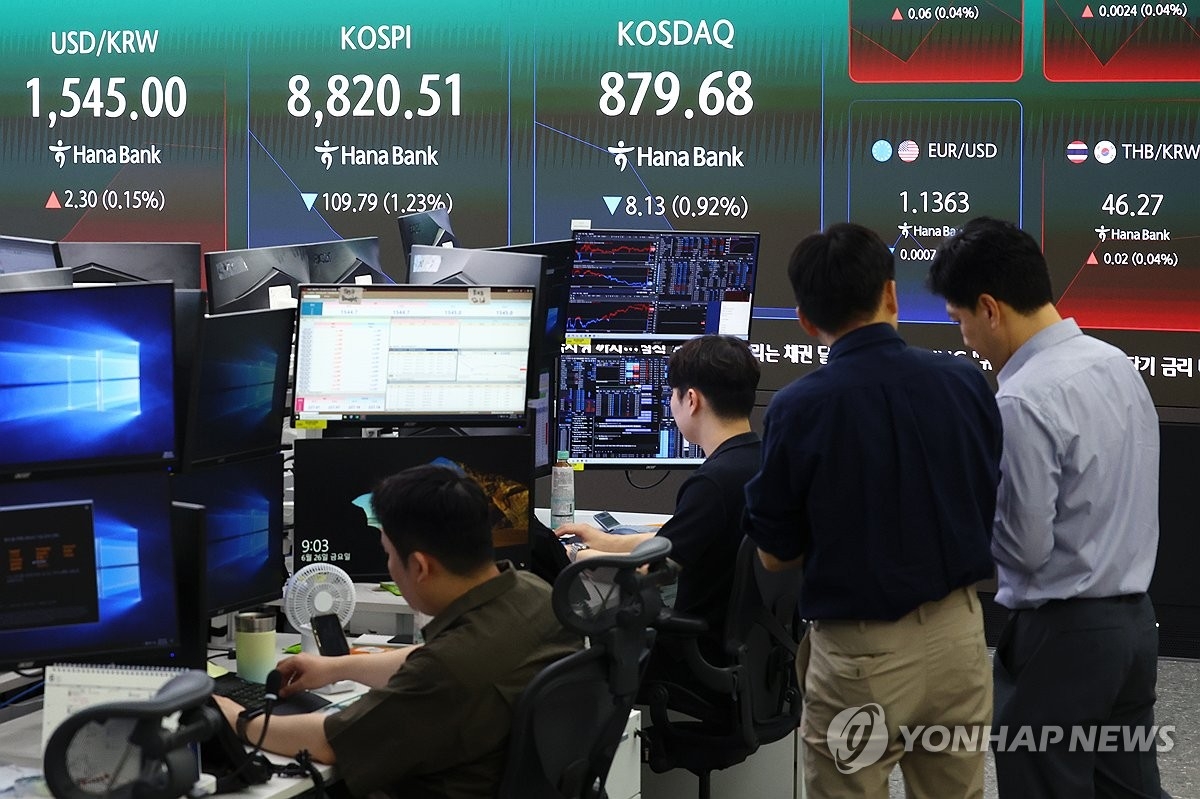
The KOSPI is moving sharply in both directions after reaching the 9,000 level. The upper end of next week’s projected range is 9,500, supported by expectations for stronger corporate earnings. Strategy remains centered on leading stocks rather than broad index chasing.
Micron Shares Track Samsung and SK Hynix as Kospi Becomes an AI Chip Barometer
The Kospi has emerged as a key price signal for global AI semiconductor investors after reaching the 9,000 level and moving sharply in both directions. Samsung Electronics and SK Hynix now influence sentiment around Micron shares. ETF markets are treating Korea-driven volatility as a major risk variable, while Japanese investors are building trading strategi
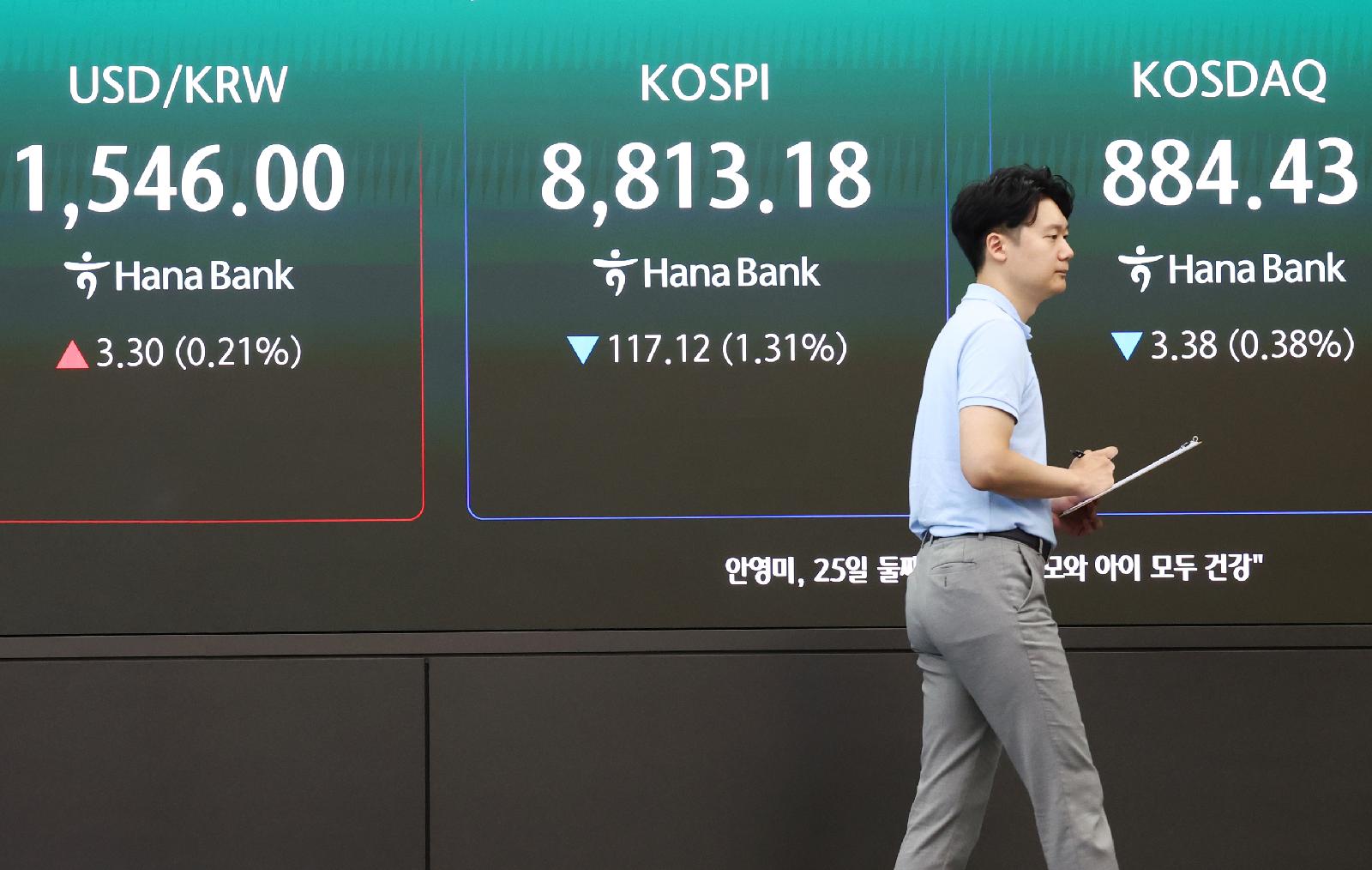
Korea Stock Settlement Roadmap Set for October, Sale Proceeds Due Next Day
Korea is preparing a roadmap to shorten the stock trading settlement cycle in October. Once implemented, investors will be able to receive sale proceeds the day after selling shares. The reform will affect retail cash flow, brokerage operations, clearing, custody and foreign investor processes. It is also expected to strengthen confidence in the domestic cap
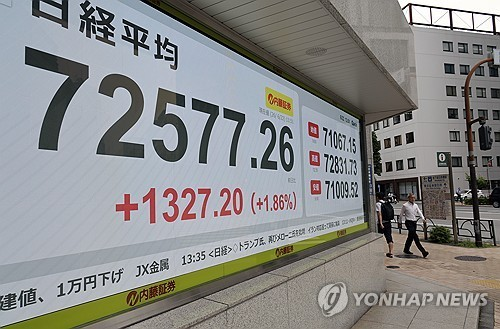
Nikkei 225 Closes Above 72,000 for First Time as Japan Rally Extends
The Nikkei 225 closed above 72,000 for the first time after eight consecutive gains. Semiconductor equipment makers, exporters and large manufacturers led the move. For Korean investors, yen exposure, Korea-listed Japan ETFs and allocation between Kospi and Japanese equities now matter more.
Single-Stock 2x ETFs Face Scrutiny as Korea Regulator Warns on Broker Gains
Korea’s single-stock 2x ETFs tied to Samsung Electronics and SK hynix have drawn a sharp regulatory warning. FSS Governor Lee Chan-jin sees a structure that benefits brokerages more reliably than retail investors. Daily 2x leverage can magnify both gains and losses. Sales practices and risk disclosures in Korea’s ETF market are likely to face closer review.
KOSDAQ Value-Up Guideline Set for July, Tied to Tier Review and Special Listings
The KOSDAQ value-up program enters a new phase in July. The guideline reflects growth-stage companies, technology-special listing structures and mid-cap market realities. With disclosures covering only 31% by market capitalization, tier reviews and special listing maintenance are expected to become key incentives.
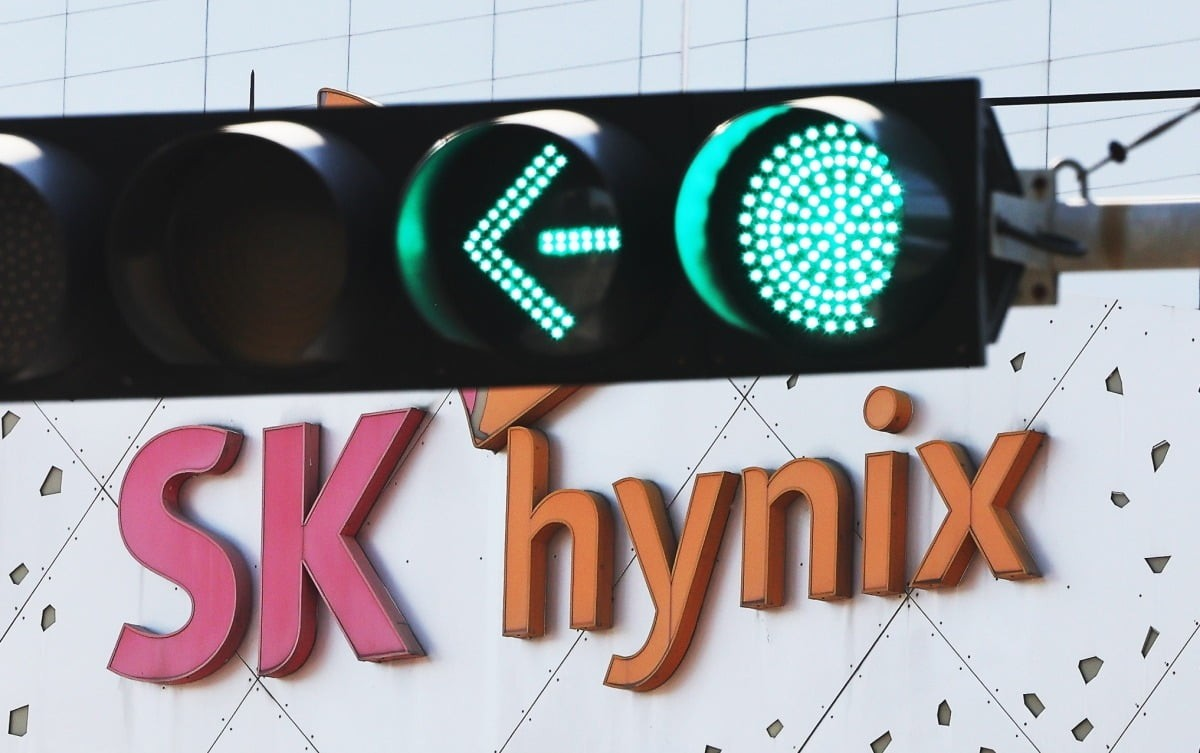
SK Hynix Overtakes Samsung Electronics to Become KOSPI's Top Market-Cap Stock
SK Hynix became the largest KOSPI stock by market capitalization at 12:50 p.m. KST on June 22, 2026. It was the first time the company moved above Samsung Electronics in the ranking. AI semiconductors and high-bandwidth memory demand drove a sharp reassessment of won-denominated value. Investors are watching index weights, passive flows and the durability of