Korean Stock Market Volatility Surges as Sidecars and Circuit Breakers Hit Trading
Korean equities are moving through an unusually volatile phase, with daily moves of 4% to 5% or more. Buy-side and sell-side sidecars, as well as circuit breakers, have been activated. Profit-taking, heavy concentration in semiconductor shares and leveraged trading are widening index swings. Investors now need to watch won-based returns, FX moves and credit
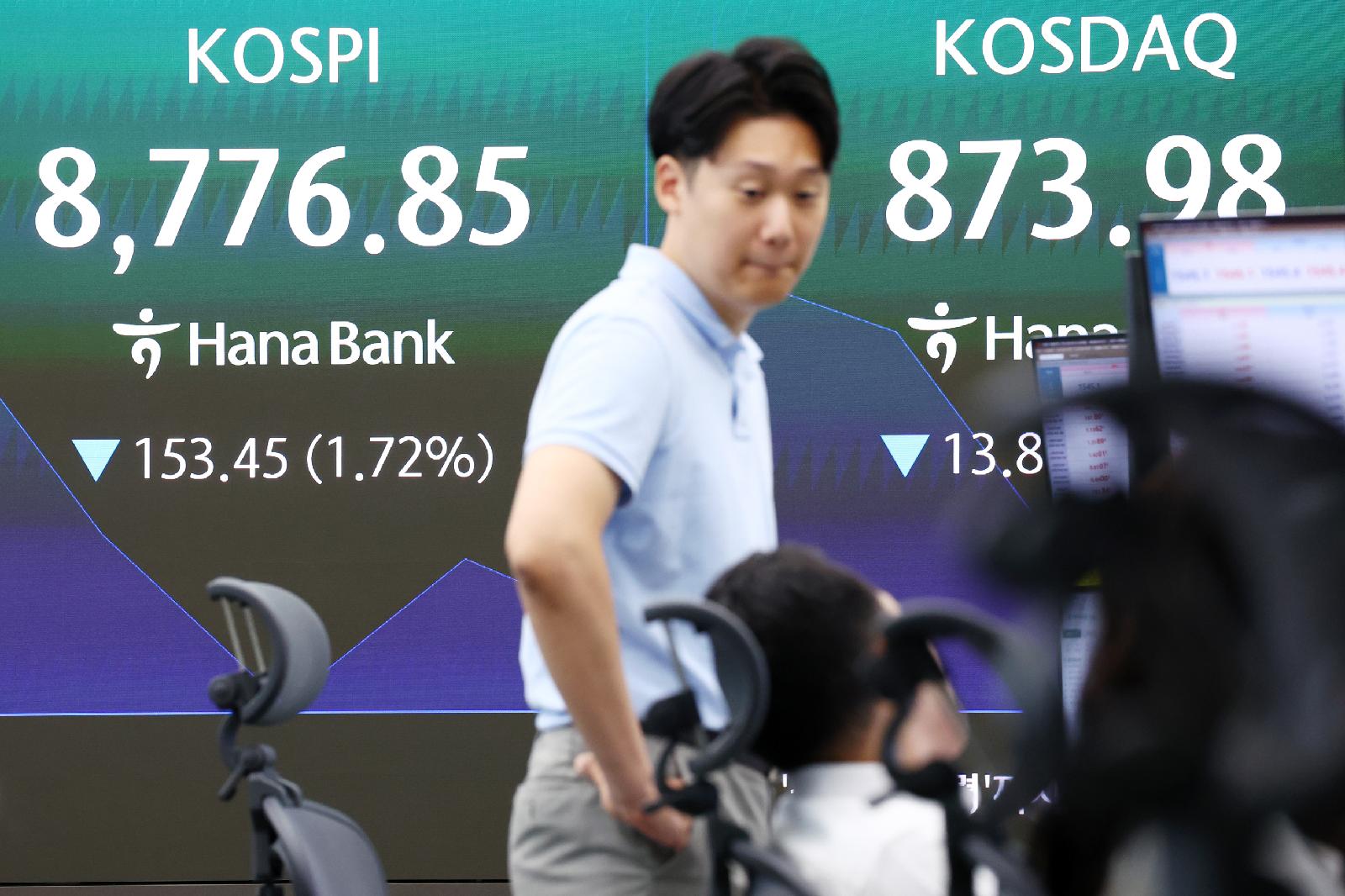
The conclusion is clear: Korea’s equity market is no longer in a simple correction. Liquidity, positioning, sector concentration and leverage are moving at the same time. Recent index moves show the strain: -9.99%, then +3.26%, +5.42% and back to -5.81%. Repeated daily swings of more than 4% to 5% have made the real risk felt by investors larger than the index level alone suggests.
From Buy Sidecar to Sell Sidecar
Market safeguards have been triggered as intraday moves widened. A sidecar designed to slow excessive program-buying pressure was followed by a sell-side sidecar when selling accelerated. Circuit breakers also came into play to cool abrupt price moves. These mechanisms slow the speed of stress, but they also reveal how quickly short-term trading can reverse market direction.
Semiconductors and Leverage Magnify Moves
Large semiconductor stocks sit at the center of the volatility. Korea’s market is heavily influenced by top chip names, so a shift in one sector quickly spreads to the broader index. After sharp rallies, profit-taking appears. During declines, leveraged products and margin-related selling can deepen losses. Momentum buying on the way up and forced deleveraging on the way down turn the same news flow into larger index moves.
Investor Impact and Outlook
For domestic investors, the current market creates both opportunity and elevated loss risk. Won-based asset values can move with both share prices and exchange rates, while foreign flows can change quickly. Exchange safeguards may slow panic selling, but they do not determine market direction. Semiconductor earnings expectations, profit-taking pressure and the pace of leverage reduction will remain key variables for Korean stocks. Investors should check cash levels, margin exposure and stop-loss rules before raising equity weight aggressively.
Key points
- Korean equities are moving through an unusually volatile phase, with daily moves of 4% to 5% or more. Buy-side and sell-side sidecars, as well as circuit breakers, have been activated. Profit-taking, heavy concentration in semiconductor shares and leveraged trading are widening index swings. Investors now need to watch won-based returns, FX moves and credit
- Use the body and FAQ context before acting on this update.
- Compare with related issues inside the category hub.
FAQ
Why did Korean stocks swing so sharply?
Profit-taking, concentration in large semiconductor stocks, leverage products and margin-related selling combined to widen index moves.
What are sidecars and circuit breakers?
A sidecar temporarily slows program trading imbalances, while a circuit breaker halts trading during extreme market moves to cool disorderly action.
What should retail investors monitor now?
They should watch semiconductor flows, foreign investor activity, exchange rates, margin balances and the volatility of leveraged products.
Latest stories
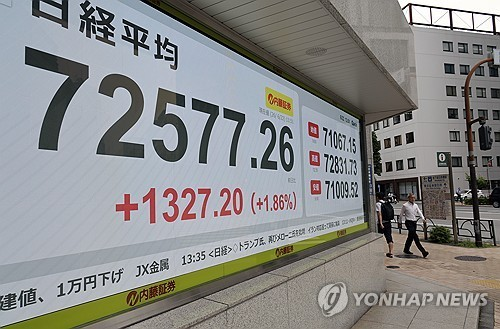
Nikkei 225 Closes Above 72,000 for First Time as Japan Rally Extends
The Nikkei 225 closed above 72,000 for the first time after eight consecutive gains. Semiconductor equipment makers, exporters and large manufacturers led the move. For Korean investors, yen exposure, Korea-listed Japan ETFs and allocation between Kospi and Japanese equities now matter more.
Single-Stock 2x ETFs Face Scrutiny as Korea Regulator Warns on Broker Gains
Korea’s single-stock 2x ETFs tied to Samsung Electronics and SK hynix have drawn a sharp regulatory warning. FSS Governor Lee Chan-jin sees a structure that benefits brokerages more reliably than retail investors. Daily 2x leverage can magnify both gains and losses. Sales practices and risk disclosures in Korea’s ETF market are likely to face closer review.
KOSDAQ Value-Up Guideline Set for July, Tied to Tier Review and Special Listings
The KOSDAQ value-up program enters a new phase in July. The guideline reflects growth-stage companies, technology-special listing structures and mid-cap market realities. With disclosures covering only 31% by market capitalization, tier reviews and special listing maintenance are expected to become key incentives.
SK Hynix Overtakes Samsung Electronics to Become KOSPI's Top Market-Cap Stock
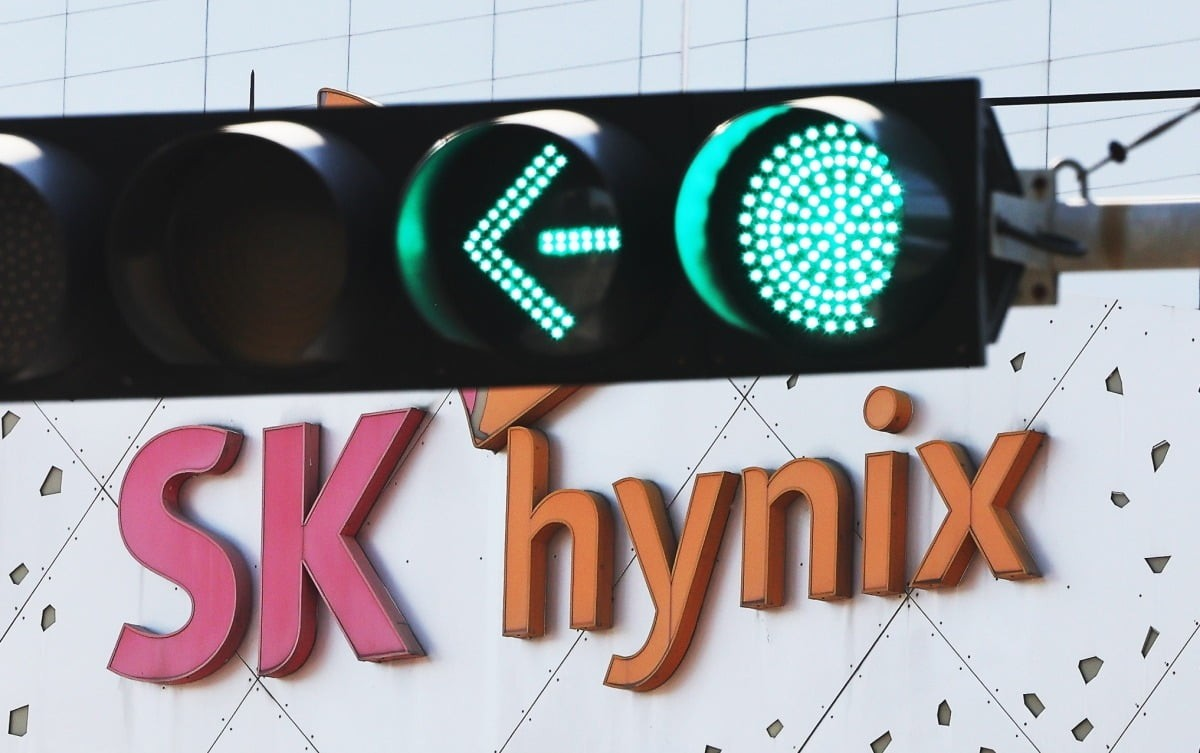
SK Hynix became the largest KOSPI stock by market capitalization at 12:50 p.m. KST on June 22, 2026. It was the first time the company moved above Samsung Electronics in the ranking. AI semiconductors and high-bandwidth memory demand drove a sharp reassessment of won-denominated value. Investors are watching index weights, passive flows and the durability of
Kospi Above 9,000 Faces Key Test From Micron Earnings and U.S. PCE Inflation
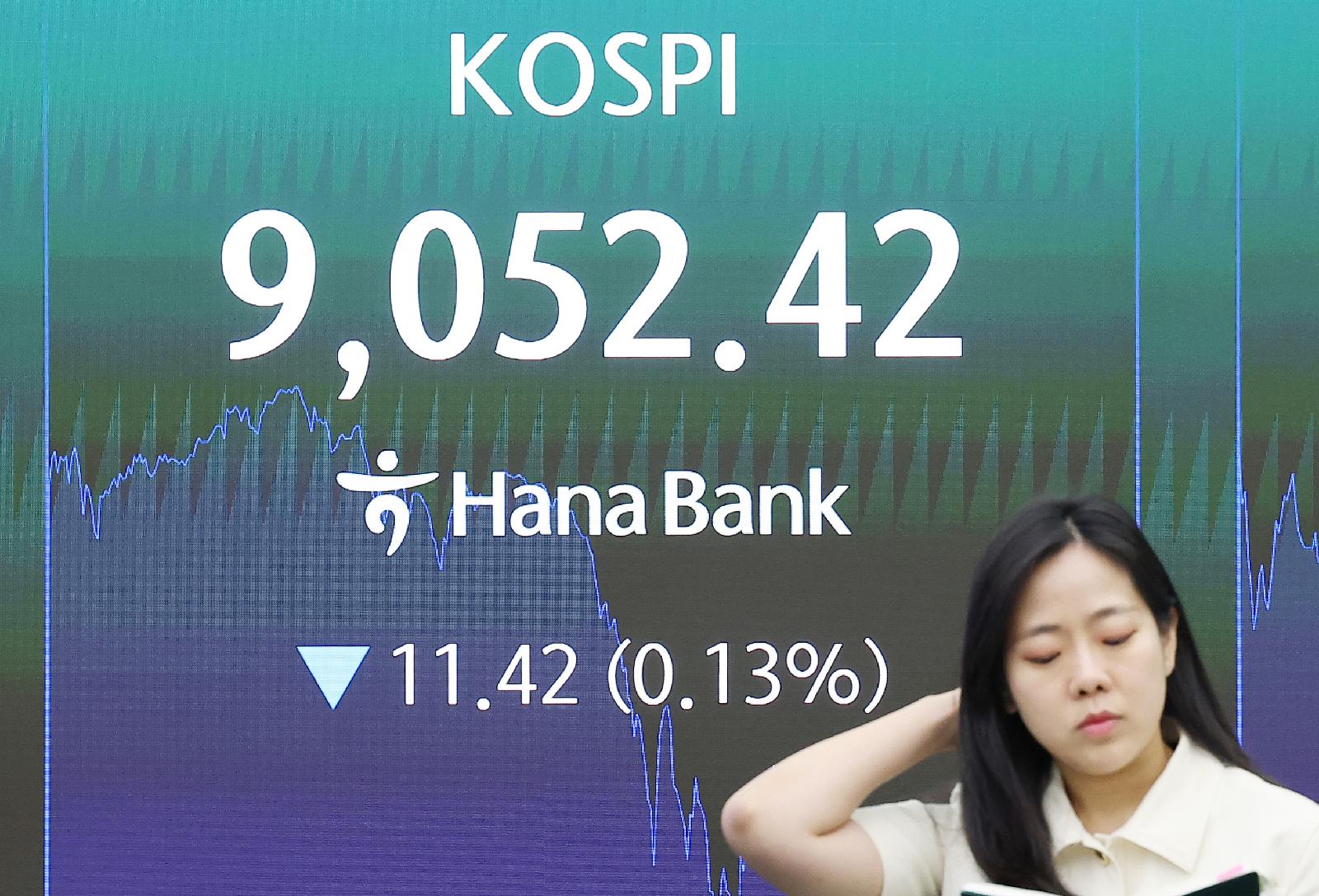
The Kospi’s first move above 9,000 marks a major psychological shift for Korean equities. This week’s focus is Micron’s earnings and the U.S. PCE price index. Semiconductor demand, rate expectations and won-denominated returns will decide whether the rally can hold.
Golden Cross Stocks Jusung Corporation and Bistos Draw Attention in Korea
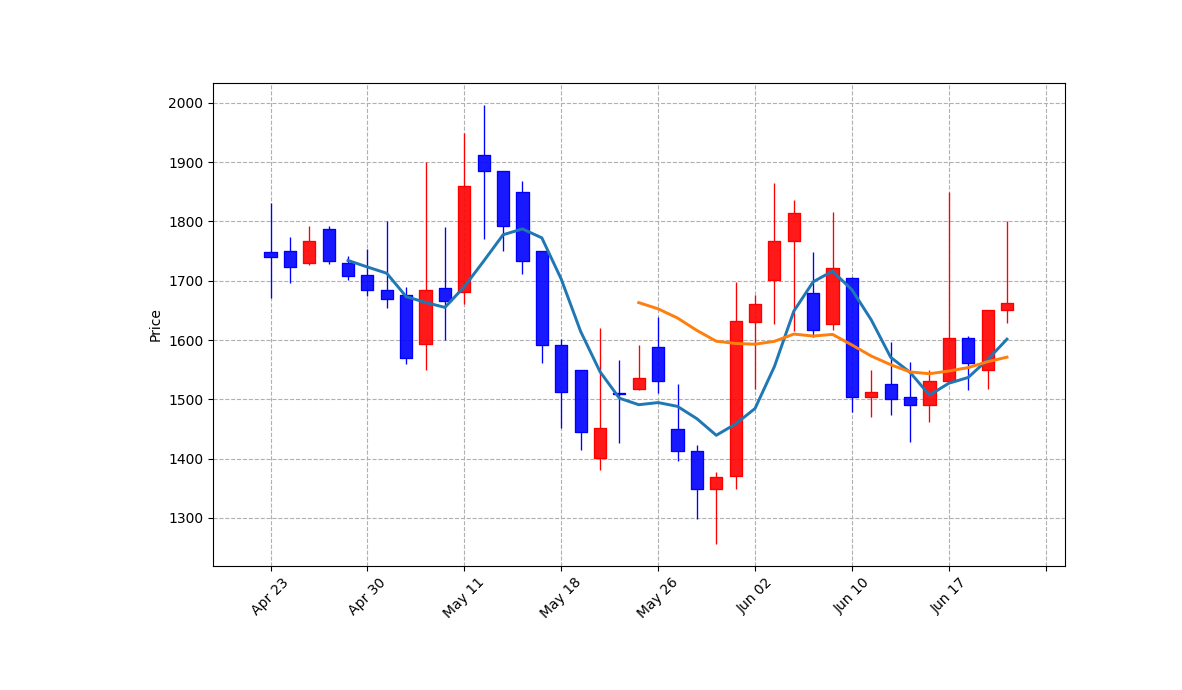
Jusung Corporation and Bistos have been identified as golden cross breakout stocks in the Korean market. A golden cross signals that short-term moving averages have moved above longer trend lines. The signal can improve sentiment, but trading volume, filings and company-specific momentum still matter.
MSCI Developed-Market Gate Looms as Kospi 9000 Sets Up Korea’s 10000 Test
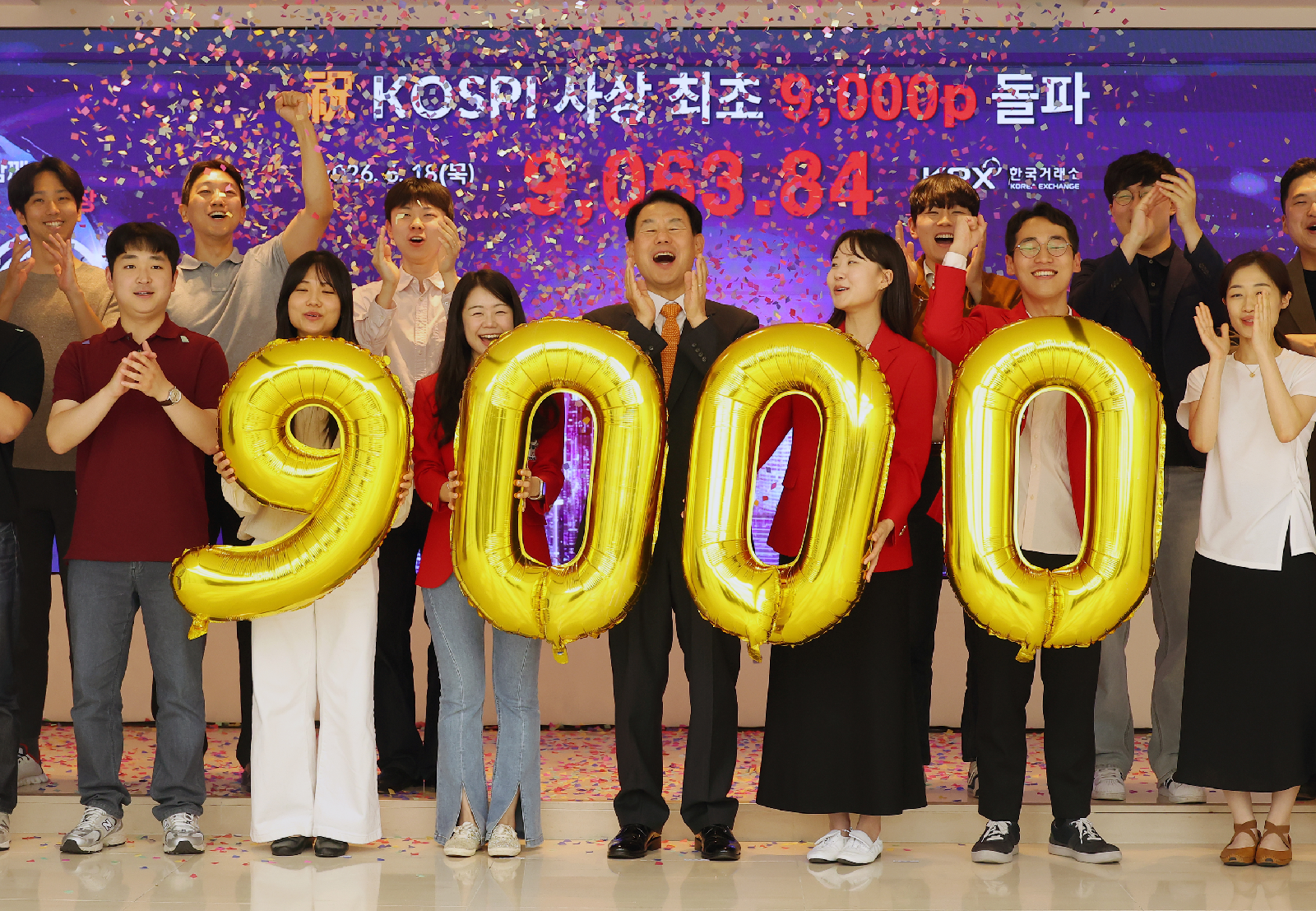
The Kospi has crossed 9000, but the bigger market question is whether Korea can move beyond emerging-market treatment in MSCI’s framework. The index needs roughly 11.1% more to reach 10000. Currency access, settlement rules, dividend processes and English disclosure are central to the next rerating.
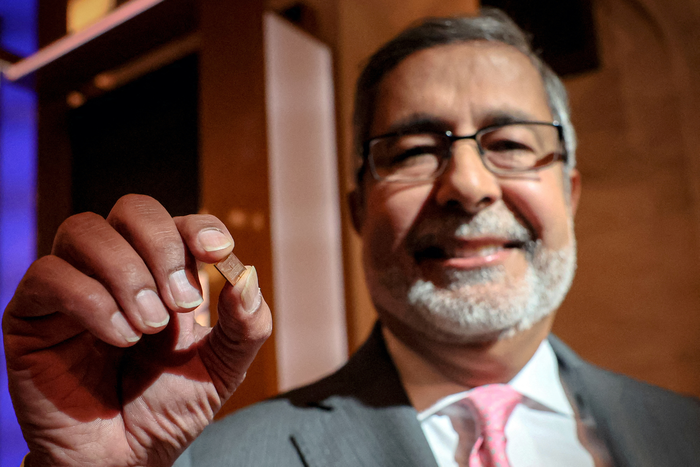
Semiconductor Stocks Face Key Week as SK Hynix ADR Hopes and Micron Earnings Set the Tone
Korean equities are focused on whether semiconductor stocks can extend their rally. SK Hynix’s expected U.S. ADR approval and Micron’s June 24 earnings are the immediate catalysts. Korea’s MSCI inclusion debate may also influence foreign flows and the valuation of won-denominated assets.