KOSDAQ Value-Up Guideline Set for July, Tied to Tier Review and Special Listings
The KOSDAQ value-up program enters a new phase in July. The guideline reflects growth-stage companies, technology-special listing structures and mid-cap market realities. With disclosures covering only 31% by market capitalization, tier reviews and special listing maintenance are expected to become key incentives.
Partner picks
Relevant partner links for this story
A lightweight commerce block designed to add monetization without breaking reading flow.
Advertisement
This module may include affiliate links that earn a commission from qualifying purchases. 글로벌스톡펄스
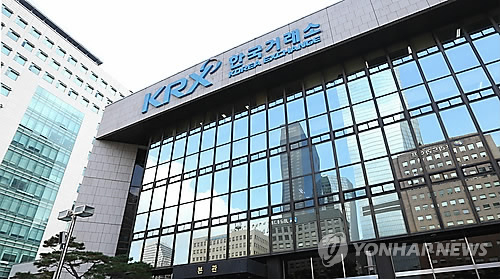
The KOSDAQ value-up framework reaches a turning point in July. Korea Exchange is preparing a separate guideline that reflects the market’s growth-company profile, governance structure and technology-special listing system. The core shift is to connect corporate value-up disclosure with institutional incentives. Tier promotion reviews, special listing maintenance and market credibility will be linked more closely, raising pressure on listed companies to disclose clear value-improvement plans.
A KOSDAQ-Specific Framework
Earlier value-up discussions worked mainly around large-cap and KOSPI names. KOSDAQ companies often have high R&D intensity, volatile earnings and business models that are judged by technology commercialization rather than short-term profit. A uniform shareholder-return template has limited use in this market. The July guideline is expected to combine growth investment, technology competitiveness, capital efficiency and shareholder communication into a more practical disclosure format.
The 31% Disclosure Gap
KOSDAQ value-up disclosures currently represent only 31% by market capitalization. That leaves the system in an early diffusion stage. The new framework will move disclosure beyond voluntary participation by tying it to tier evaluation and listing-related incentives. Entry into higher-quality segments, market management reviews and technology-special listing maintenance could reflect the quality of a company’s value-up plan. Investors will focus on measurable targets, execution schedules, capital allocation rules and continuing shareholder engagement.
Market Impact
For KOSDAQ, where retail investors are highly active, reducing information gaps is central to market trust. Broader value-up disclosure would help investors compare R&D spending, cash use, dividends, buybacks and medium-term monetization plans. Companies that cannot explain capital efficiency may face valuation pressure, while firms that present credible growth plans in numbers may attract more domestic institutions and long-term capital. July will be the first major test of whether KOSDAQ value-up can move from declaration to evaluation and incentives.
Partner picks
Relevant partner links for this story
A lightweight commerce block designed to add monetization without breaking reading flow.
Advertisement
This module may include affiliate links that earn a commission from qualifying purchases. 글로벌스톡펄스
Key points
- The KOSDAQ value-up program enters a new phase in July. The guideline reflects growth-stage companies, technology-special listing structures and mid-cap market realities. With disclosures covering only 31% by market capitalization, tier reviews and special listing maintenance are expected to become key incentives.
- Use the body and FAQ context before acting on this update.
- Compare with related issues inside the category hub.
FAQ
When will the KOSDAQ value-up guideline be released?
The KOSDAQ-focused value-up guideline is scheduled for release in July.
What is the main change?
Corporate value-up disclosures will be connected to tier reviews and special listing maintenance incentives.
How broad is current participation?
Disclosure participation stands at about 31% by market capitalization.
Related stories
Single-Stock 2x ETFs Face Scrutiny as Korea Regulator Warns on Broker Gains
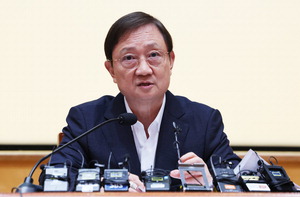
Korea’s single-stock 2x ETFs tied to Samsung Electronics and SK hynix have drawn a sharp regulatory warning. FSS Governor Lee Chan-jin sees a structure that benefits brokerages more reliably than retail investors. Daily 2x leverage can magnify both gains and losses. Sales practices and risk disclosures in Korea’s ETF market are likely to face closer review.
SK Hynix Overtakes Samsung Electronics to Become KOSPI's Top Market-Cap Stock
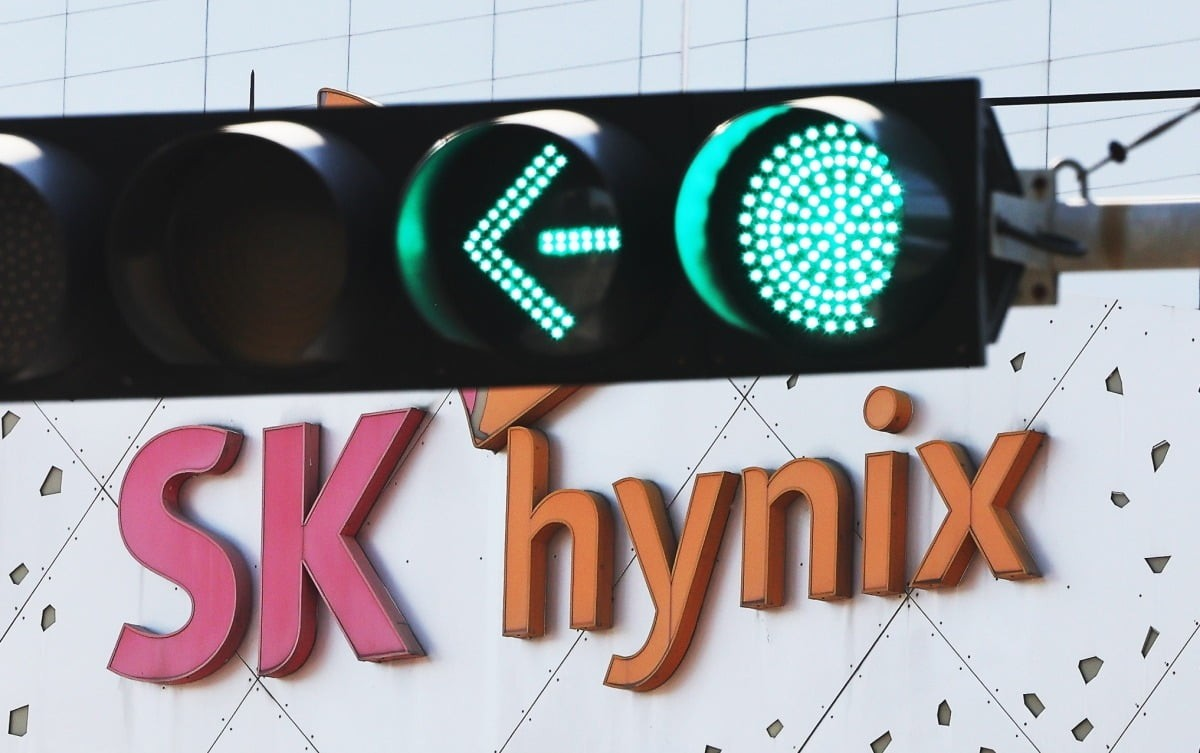
SK Hynix became the largest KOSPI stock by market capitalization at 12:50 p.m. KST on June 22, 2026. It was the first time the company moved above Samsung Electronics in the ranking. AI semiconductors and high-bandwidth memory demand drove a sharp reassessment of won-denominated value. Investors are watching index weights, passive flows and the durability of
Kospi Above 9,000 Faces Key Test From Micron Earnings and U.S. PCE Inflation
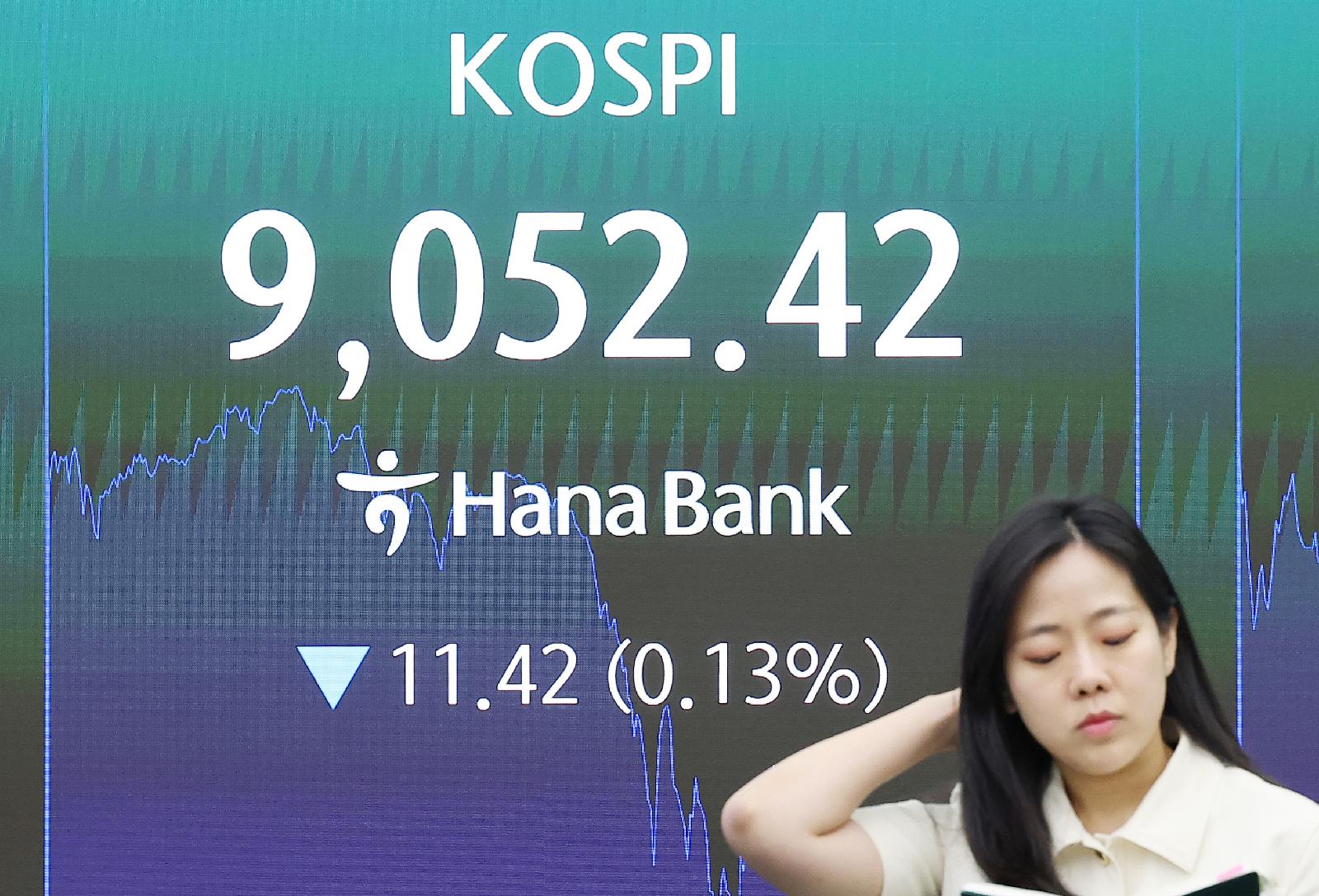
The Kospi’s first move above 9,000 marks a major psychological shift for Korean equities. This week’s focus is Micron’s earnings and the U.S. PCE price index. Semiconductor demand, rate expectations and won-denominated returns will decide whether the rally can hold.
Partner picks
Relevant partner links for this story
A lightweight commerce block designed to add monetization without breaking reading flow.
Advertisement
This module may include affiliate links that earn a commission from qualifying purchases. 글로벌스톡펄스