KOSDAQ chip materials and equipment shares extend solo rally as institutions buy
KOSDAQ semiconductor materials, parts and equipment stocks outperformed during a broad market pullback. Profit-taking weighed on large chipmakers, but institutional money moved into supply-chain companies. Investors are watching second-round beneficiaries of a semiconductor recovery and Korea’s localization trend.
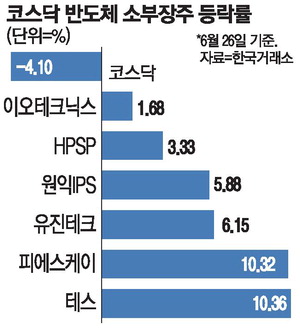
KOSDAQ semiconductor materials, parts and equipment stocks carved out a clear rally even as the wider Korean market weakened. Large semiconductor names came under profit-taking pressure after earlier gains, while institutional demand moved toward companies tied to the chip supply chain.
Institutions drive the split
The key driver is selective institutional buying. The sector has three pillars: materials, parts and equipment. Each is closely linked to the investment and production plans of major chipmakers. In a weak market, institutions favored smaller KOSDAQ names that can show stronger earnings leverage when the semiconductor cycle improves.
Equipment makers are sensitive to new investment cycles, materials suppliers benefit from higher factory utilization, and parts companies gain from replacement and maintenance demand. This structure makes supply-chain stocks early beneficiaries when investors expect the chip cycle to recover.
Money shifts from large caps
Large chip stocks now carry heavier profit-taking pressure because expectations were priced in quickly. KOSDAQ supply-chain names still offer room for earnings revisions through orders and customer spending. For Korean investors, the won also matters. A weaker won can help export-linked revenue but raise imported equipment and raw material costs.
The rally therefore reflects more than a simple theme trade. It combines institutional flows, semiconductor recovery expectations, cost structure and customer investment plans. The next test is whether major chipmakers restart spending fast enough for KOSDAQ suppliers to convert demand into earnings.
What investors should watch
Not every supply-chain stock will move the same way. Investors need to check order backlog, customer concentration, operating margins, inventory and research costs. If institutional buying continues to concentrate on core supply-chain companies, relative strength may last. If profit-taking spreads to KOSDAQ names, short-term volatility could rise.
Key points
- KOSDAQ semiconductor materials, parts and equipment stocks outperformed during a broad market pullback. Profit-taking weighed on large chipmakers, but institutional money moved into supply-chain companies. Investors are watching second-round beneficiaries of a semiconductor recovery and Korea’s localization trend.
- Use the body and FAQ context before acting on this update.
- Compare with related issues inside the category hub.
FAQ
Why did KOSDAQ semiconductor supply-chain stocks rise?
They gained as institutional money moved into materials, parts and equipment companies despite broad weakness in Korean equities.
Why did large chip stocks lag?
Large semiconductor stocks faced profit-taking after earlier gains, while smaller supply-chain names drew recovery expectations.
What should investors monitor?
Order backlog, customer spending plans, margins, inventory, cost structure and the persistence of institutional buying.
Latest stories
Samsung C&T Target Rises Toward 700,000 Won on Samsung Electronics Stake and Nuclear Momentum
Samsung C&T is being re-rated sharply in the Korean market. Gains in Samsung Electronics and other affiliates have lifted the value of its holdings, while dividend expectations strengthened investor demand. Nuclear infrastructure momentum has added a growth angle, putting a 700,000 won target and strong buy case in focus.
KOSPI Swings After 9,000 Breakout as 9,500 Comes Into View Next Week
The KOSPI is moving sharply in both directions after reaching the 9,000 level. The upper end of next week’s projected range is 9,500, supported by expectations for stronger corporate earnings. Strategy remains centered on leading stocks rather than broad index chasing.
Micron Shares Track Samsung and SK Hynix as Kospi Becomes an AI Chip Barometer
The Kospi has emerged as a key price signal for global AI semiconductor investors after reaching the 9,000 level and moving sharply in both directions. Samsung Electronics and SK Hynix now influence sentiment around Micron shares. ETF markets are treating Korea-driven volatility as a major risk variable, while Japanese investors are building trading strategi
Korea Stock Settlement Roadmap Set for October, Sale Proceeds Due Next Day
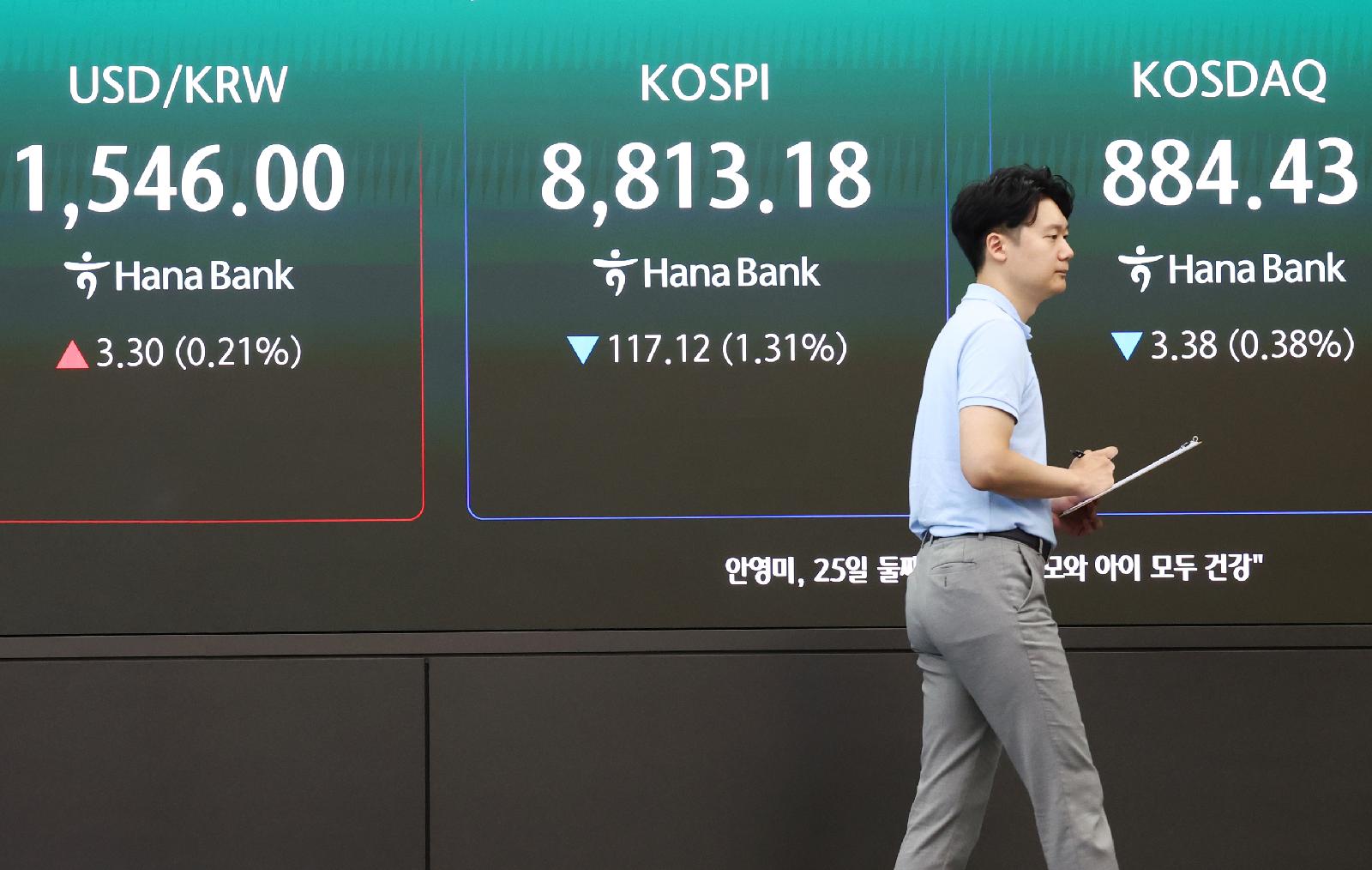
Korea is preparing a roadmap to shorten the stock trading settlement cycle in October. Once implemented, investors will be able to receive sale proceeds the day after selling shares. The reform will affect retail cash flow, brokerage operations, clearing, custody and foreign investor processes. It is also expected to strengthen confidence in the domestic cap
Nikkei 225 Closes Above 72,000 for First Time as Japan Rally Extends
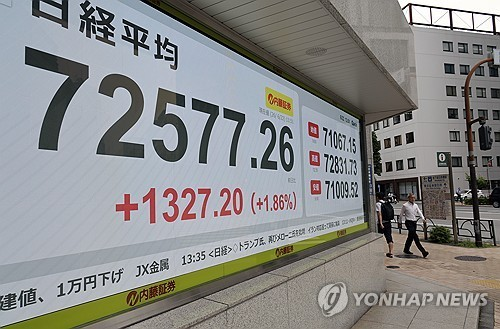
The Nikkei 225 closed above 72,000 for the first time after eight consecutive gains. Semiconductor equipment makers, exporters and large manufacturers led the move. For Korean investors, yen exposure, Korea-listed Japan ETFs and allocation between Kospi and Japanese equities now matter more.
Single-Stock 2x ETFs Face Scrutiny as Korea Regulator Warns on Broker Gains
Korea’s single-stock 2x ETFs tied to Samsung Electronics and SK hynix have drawn a sharp regulatory warning. FSS Governor Lee Chan-jin sees a structure that benefits brokerages more reliably than retail investors. Daily 2x leverage can magnify both gains and losses. Sales practices and risk disclosures in Korea’s ETF market are likely to face closer review.
KOSDAQ Value-Up Guideline Set for July, Tied to Tier Review and Special Listings
The KOSDAQ value-up program enters a new phase in July. The guideline reflects growth-stage companies, technology-special listing structures and mid-cap market realities. With disclosures covering only 31% by market capitalization, tier reviews and special listing maintenance are expected to become key incentives.
SK Hynix Overtakes Samsung Electronics to Become KOSPI's Top Market-Cap Stock
SK Hynix became the largest KOSPI stock by market capitalization at 12:50 p.m. KST on June 22, 2026. It was the first time the company moved above Samsung Electronics in the ranking. AI semiconductors and high-bandwidth memory demand drove a sharp reassessment of won-denominated value. Investors are watching index weights, passive flows and the durability of