Stock FOMO Anxiety Rises as Kospi Sell-Off Hits Retail Investors
The Kospi’s extended weakness is pushing stock-loss stress into clinics. A psychiatrist who once lost about 300 million won says stock FOMO can feel comparable to a four-week injury. The pressure comes not only from losses but also from comparison, regret and the urge to re-enter trades. Investors need clear loss limits before volatility deepens.
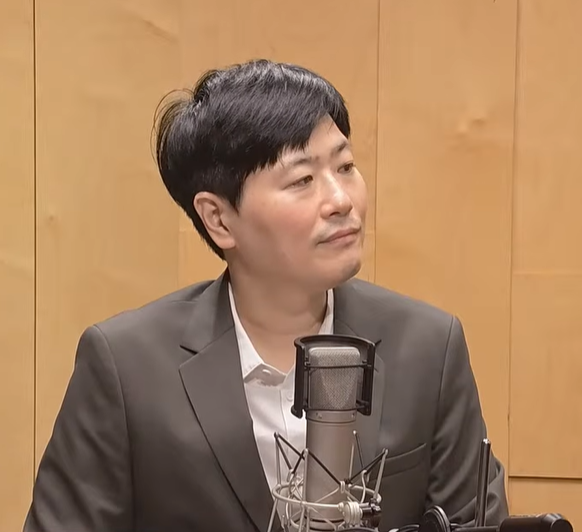
The Kospi sell-off is affecting more than portfolios. Retail investors facing stock losses, FOMO, insomnia and anxiety are increasingly turning to psychiatric care. A psychiatrist who previously disclosed an investment loss of about 300 million won says stock FOMO is not simple regret but an acute stress response felt in the body. When missed rallies and realized losses overlap, the pain can feel as intense as a serious short-term injury.
FOMO Can Outweigh the Loss
Stock FOMO begins with the sense of being left behind. In a falling market, investors with losses often cannot step away; in a rebound, the urge to recover losses quickly grows stronger. The problem is that judgment shifts from company value and cash flow to online posts, profit screenshots and live quotes. When losses grow from several million won to tens of millions or even hundreds of millions, sleep and work concentration deteriorate. A 300 million won loss is large enough in Korea to alter housing, business or household savings plans.
Why Korean Retail Investors Feel the Shock
Korean retail investors are highly exposed to Kospi and Kosdaq volatility. Margin loans, short-term credit trades, leveraged ETFs and theme-stock speculation can make the psychological shock larger than the index move itself. Regulation can monitor disclosure and unfair trading, but it cannot control the emotional cycle of loss. Investors often swing between “I will sell after a small rebound” and “I need to buy more now to recover.” That pattern can increase trading frequency and deepen losses.
Recovery Starts With Routine
The first response is to reduce trading and set numerical loss limits. Daily, monthly and total portfolio risk limits should be decided before the next sell-off. Checking accounts only once or twice a day and avoiding quote screens before sleep can help. If insomnia, appetite loss, palpitations, work impairment or depression lasts more than two weeks, medical consultation is advisable. With rates, exchange rates, earnings and foreign flows still driving volatility, the key is not catching the exact bottom but building a structure that prevents financial stress from becoming a health crisis.
Key points
- The Kospi’s extended weakness is pushing stock-loss stress into clinics. A psychiatrist who once lost about 300 million won says stock FOMO can feel comparable to a four-week injury. The pressure comes not only from losses but also from comparison, regret and the urge to re-enter trades. Investors need clear loss limits before volatility deepens.
- Use the body and FAQ context before acting on this update.
- Compare with related issues inside the category hub.
FAQ
What is stock FOMO?
It is anxiety that others are making gains while one is missing the opportunity. It can intensify when markets swing between sharp drops and rebounds.
When should an investor seek help?
If insomnia, appetite loss, palpitations, work disruption or depression continues for more than two weeks, psychiatric consultation should be considered.
What should retail investors do first in a sell-off?
They should set loss limits, risk-asset exposure and account-checking rules before making additional trades.
Latest stories

Semiconductor Peak-Out Debate Tests Samsung and SK Hynix Rally After AI-Led Surge
The rally in Samsung Electronics and SK Hynix has revived the semiconductor peak-out debate. The key is separating short-term profit-taking from the long-term AI memory cycle. HBM and data-center demand remain structural supports, while valuation, foreign flows and the won-dollar exchange rate remain risks.
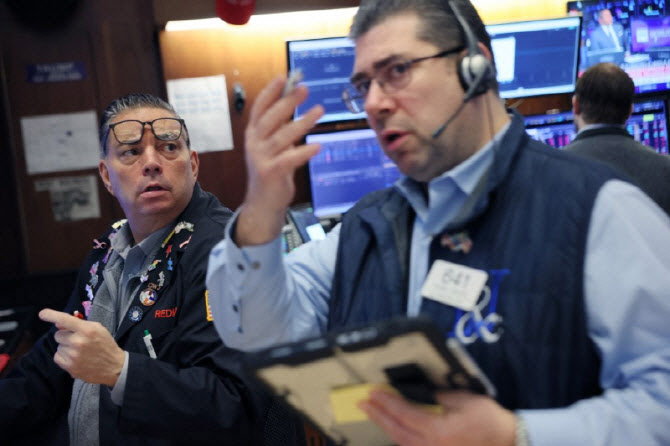
New York Stocks Open Mixed as U.S.-Iran Armed Conflict Clouds Risk Appetite
The three major New York indexes opened mixed at 9:37 a.m. local time on the 13th. The continuing U.S.-Iran armed conflict weakened risk appetite and widened the gap between energy, defense, and technology shares. Korean investors need to monitor the won-dollar exchange rate, oil prices, and volatility in semiconductors, refiners, airlines, and transport sto
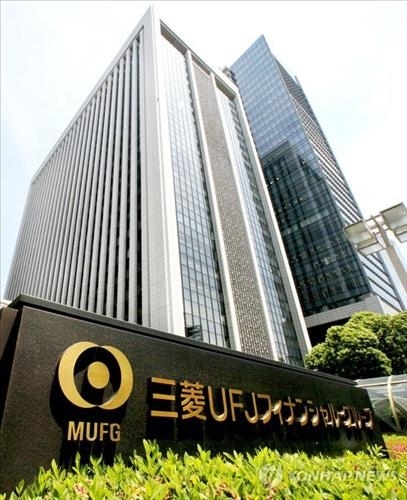
Mitsubishi UFJ Takes Market-Cap Crown as Kioxia Falls 13% in Japan’s Rate Shift
Japan’s equity leadership has shifted from semiconductors to banks. A 1% BOJ policy rate and a 99.6% probability of another hike this year lifted expectations for Mitsubishi UFJ’s margins and earnings. Shareholder returns and active fiscal policy added support, while Kioxia’s 13% drop exposed memory-cycle sensitivity.
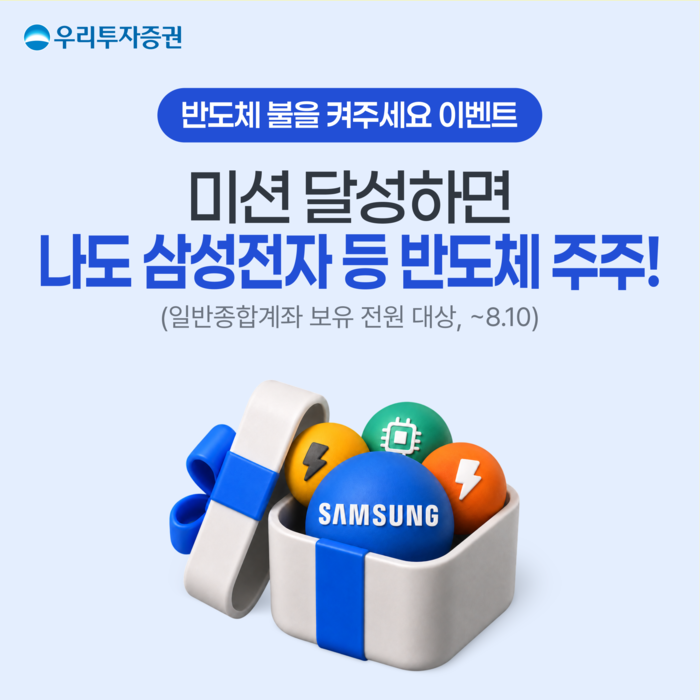
Woori Investment Launches Chip Event With Samsung and ETF Share Rewards
Woori Investment & Securities is targeting demand for semiconductor and AI-related investing with an event running through August 10. The campaign offers one share of Samsung Electronics and one share of a semiconductor-related ETF. It is designed to give retail investors exposure to both a major Korean chip stock and a diversified thematic fund.
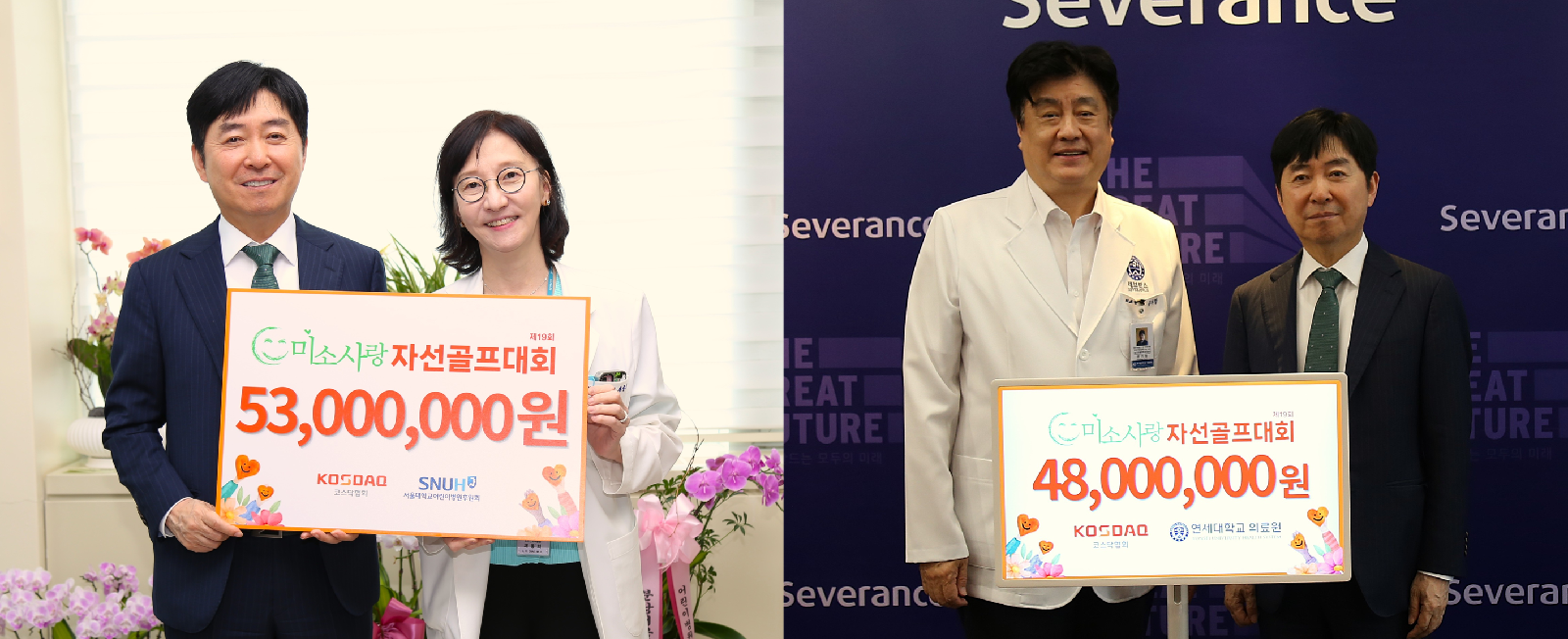
Kosdaq Association Donates 371 Million Won to Support Sick Children and Neighbors
The Kosdaq Association delivered 371 million won through its Miso Sarang sponsorship program. The funds will be distributed to 16 organizations supporting sick children and vulnerable neighbors. The donation highlights a broader social responsibility role for Korea’s Kosdaq-listed corporate community.
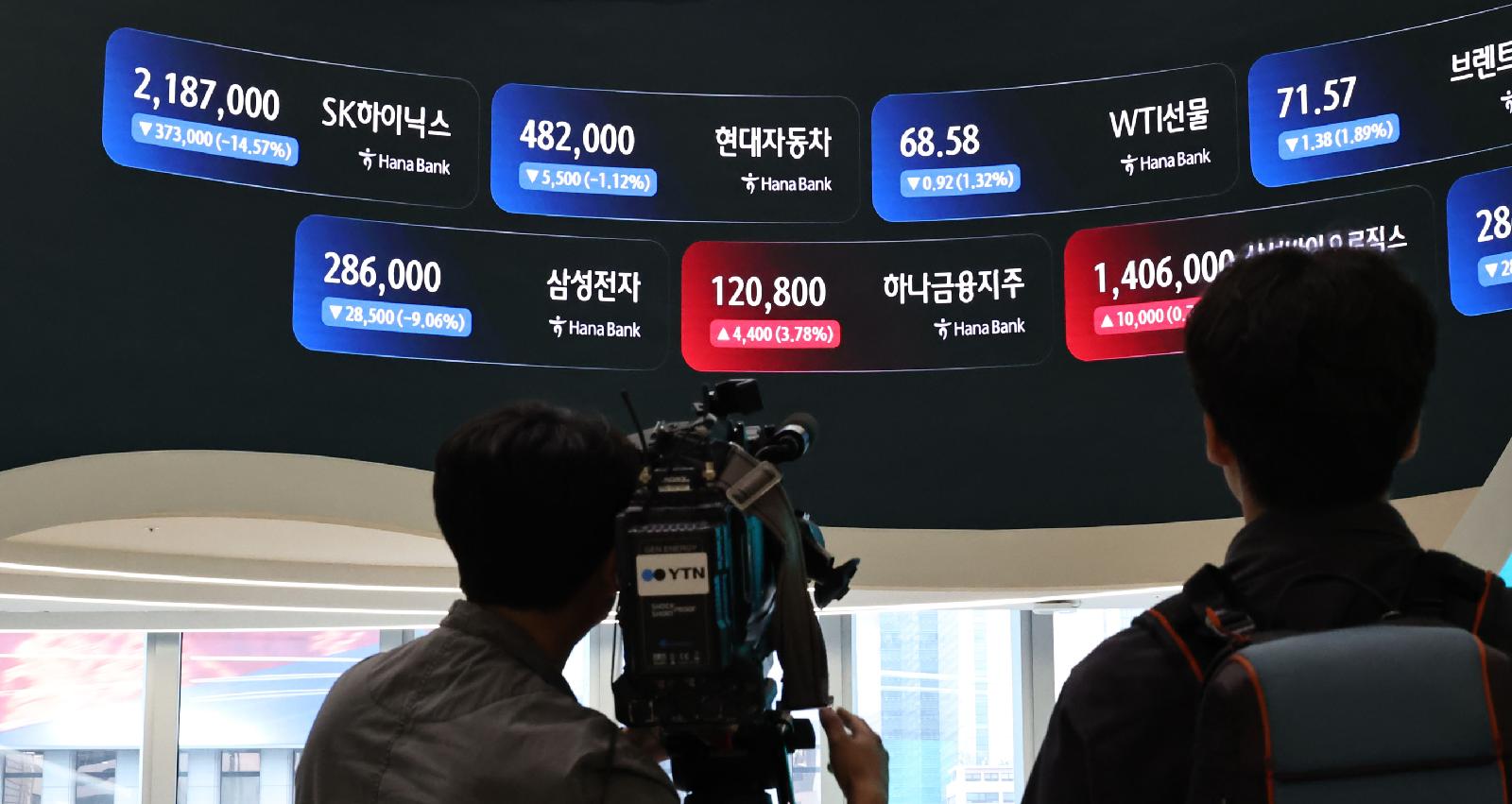
Samsung Electronics and SK Hynix Dominate Searches Before July Earnings
Korean investors are concentrating on Samsung Electronics and SK Hynix as market volatility intensifies. Reports tied to the two chip leaders filled the top 10 most-viewed slots before July earnings. KOSDAQ also entered the top 10 keyword searches, showing continued interest in growth stocks. Earnings, the won-dollar exchange rate and foreign flows will shap
KOSPI at 8,000 Still Looks Cheap as Korea’s Low-PBR Stocks Face a Test
The KOSPI has entered a powerful long-term rally, but the broader Korean market is not uniformly expensive. Semiconductor giants have lifted the index, while many listed companies still trade below book value. Firms without a credible growth path face pressure to return capital through dividends and buybacks. Korea’s next re-rating will depend on shareholder
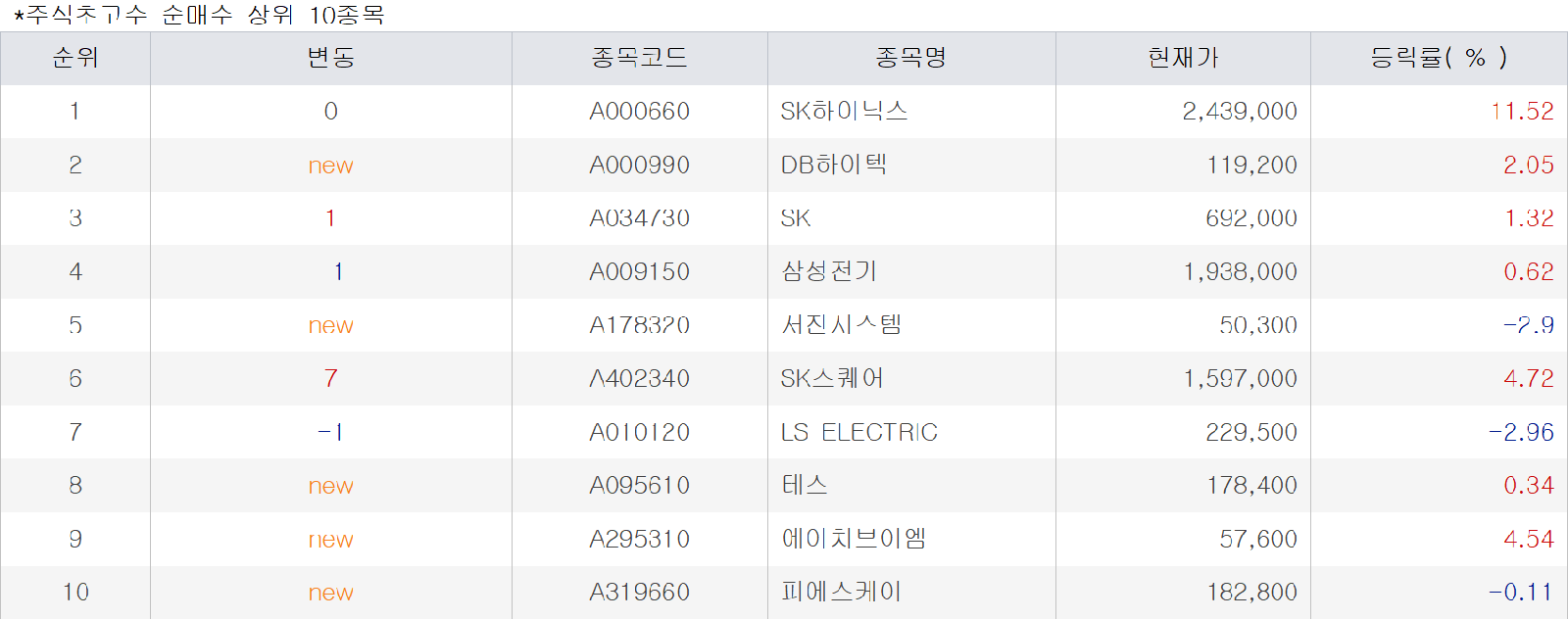
SK hynix draws elite investor buying as perceived value leads Korea chip trade
As of 2:30 p.m. on July 3, top 1% return investors were buying SK hynix most aggressively. DB HiTek also ranked among favored purchases, extending interest across chip stocks. Samsung Electronics led net selling but still rose, showing a split in semiconductor flows.