Samsung SDI Draws Top Investor Demand as ESS Losses Narrow and AI Battery Hopes Rise
Samsung SDI moved back into focus on July 14 as elite retail investors targeted a possible earnings rebound. Tariff refunds are expected to reduce losses in the ESS unit and raise the chance of a second-half profit shift. AI data centers also create demand for backup power and energy-storage batteries. Currency effects, Korean ESS rules and EV demand remain
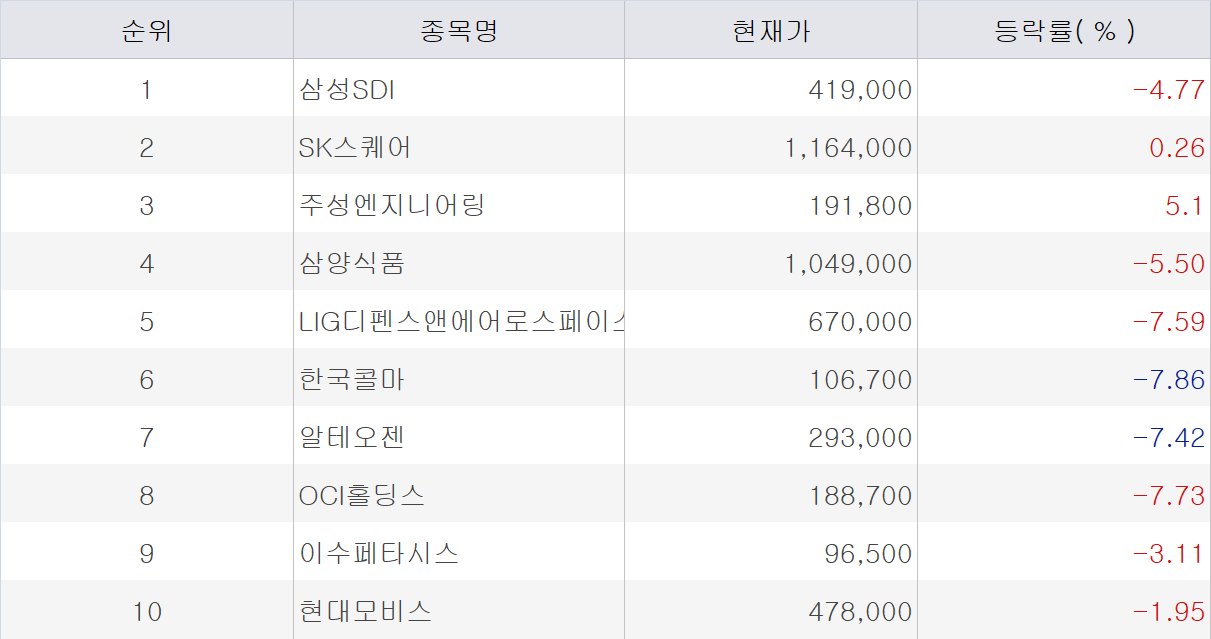
Samsung SDI is drawing renewed attention in Korea’s battery sector. As of 9:30 a.m. on July 14, investors ranked in the top 1% by stock returns were watching the company because tariff refunds are narrowing losses in its energy storage system business. The same trade also reflects a clearer second-half earnings scenario and growing expectations for batteries used in AI data-center power infrastructure.
ESS Losses Become the First Test
The ESS business is the immediate earnings variable. Energy storage batteries serve renewable power, grid stability and industrial backup systems, but cost pressure and uneven demand have weighed on profitability. A tariff refund improves the cost side rather than simply increasing sales. That makes it important for a business with high fixed costs and a visible break-even point. A smaller ESS loss would strengthen the case for a second-half move into profit.
AI Data Centers Add Demand
AI data centers consume large amounts of electricity and cannot tolerate power interruptions. That makes uninterruptible power systems and energy storage a critical part of the infrastructure stack. Samsung SDI’s exposure to industrial batteries and ESS places it within that demand theme. For Korean investors, overseas data-center orders can also affect won-denominated earnings because dollar revenue is translated back into local accounts.
What Investors Should Watch
Samsung SDI is not only a battery theme but also a test of earnings recovery among large KOSPI growth stocks. The key variables are the pace of ESS loss reduction, visibility of AI data-center orders, EV battery demand, raw-material prices, tariff policy and the won-dollar exchange rate. The top-investor interest shows a market reassessment built on two pillars: a possible profit turnaround and a longer AI infrastructure growth cycle.
Key points
- Samsung SDI moved back into focus on July 14 as elite retail investors targeted a possible earnings rebound. Tariff refunds are expected to reduce losses in the ESS unit and raise the chance of a second-half profit shift. AI data centers also create demand for backup power and energy-storage batteries. Currency effects, Korean ESS rules and EV demand remain
- Use the body and FAQ context before acting on this update.
- Compare with related issues inside the category hub.
FAQ
Why is Samsung SDI attracting attention?
Its ESS losses are expected to narrow after tariff refunds, while investors are also watching a possible second-half profit turnaround.
How are AI data centers linked to Samsung SDI?
AI data centers need stable backup power and energy storage, which can support demand for industrial batteries and ESS products.
What risks should investors monitor?
Key risks include ESS profitability, EV demand, raw-material prices, tariff policy and the won-dollar exchange rate.
Latest stories
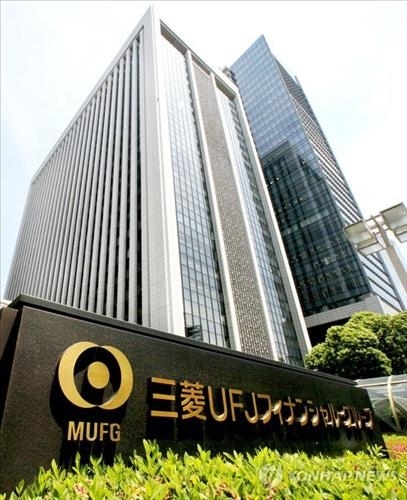
Mitsubishi UFJ Takes Market-Cap Crown as Kioxia Falls 13% in Japan’s Rate Shift
Japan’s equity leadership has shifted from semiconductors to banks. A 1% BOJ policy rate and a 99.6% probability of another hike this year lifted expectations for Mitsubishi UFJ’s margins and earnings. Shareholder returns and active fiscal policy added support, while Kioxia’s 13% drop exposed memory-cycle sensitivity.
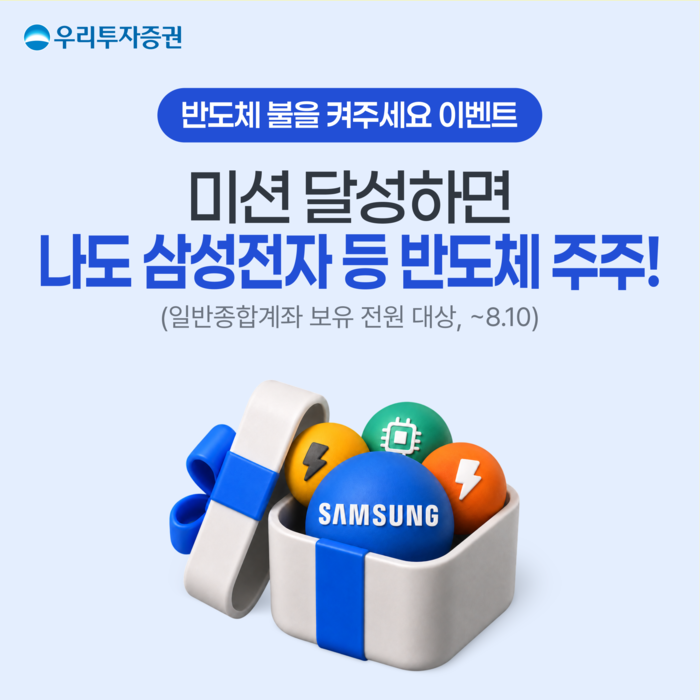
Woori Investment Launches Chip Event With Samsung and ETF Share Rewards
Woori Investment & Securities is targeting demand for semiconductor and AI-related investing with an event running through August 10. The campaign offers one share of Samsung Electronics and one share of a semiconductor-related ETF. It is designed to give retail investors exposure to both a major Korean chip stock and a diversified thematic fund.
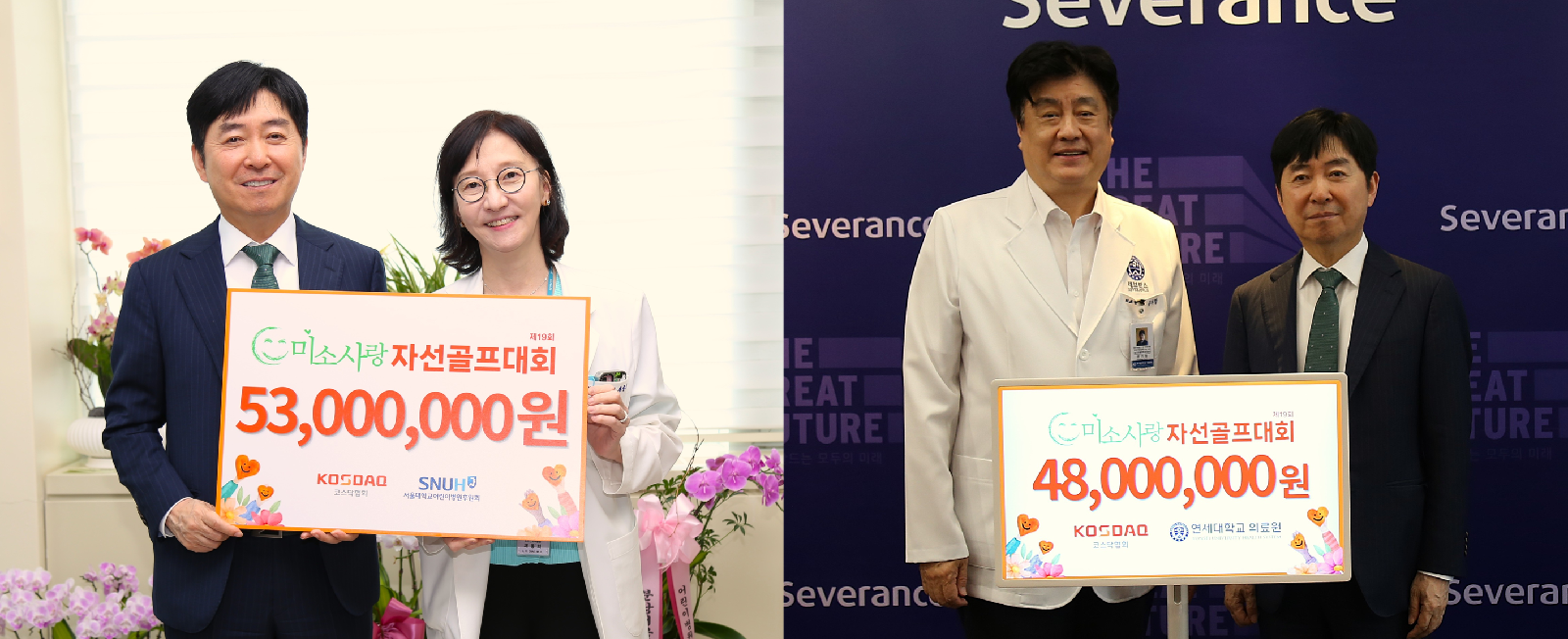
Kosdaq Association Donates 371 Million Won to Support Sick Children and Neighbors
The Kosdaq Association delivered 371 million won through its Miso Sarang sponsorship program. The funds will be distributed to 16 organizations supporting sick children and vulnerable neighbors. The donation highlights a broader social responsibility role for Korea’s Kosdaq-listed corporate community.
Samsung Electronics and SK Hynix Dominate Searches Before July Earnings
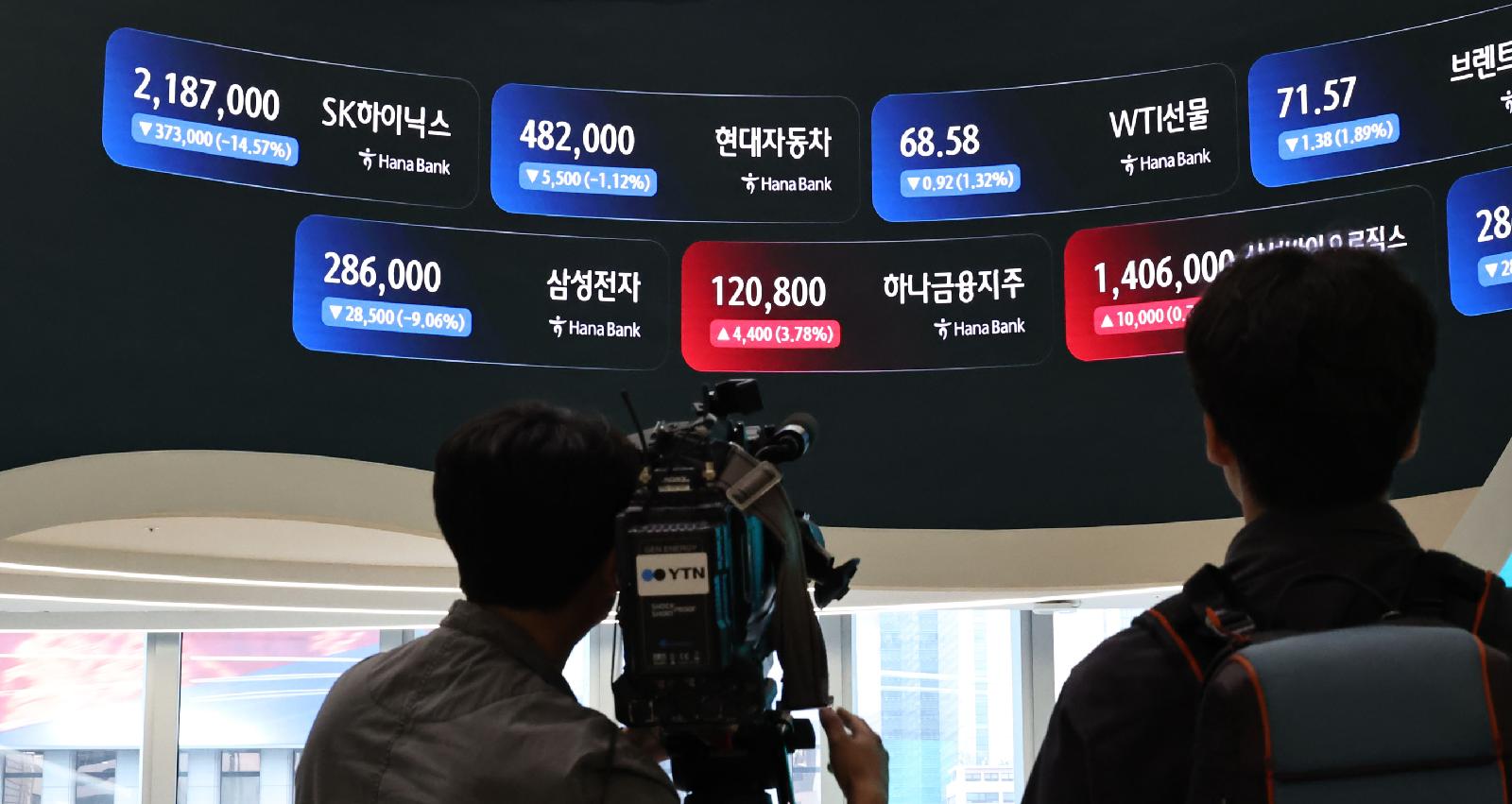
Korean investors are concentrating on Samsung Electronics and SK Hynix as market volatility intensifies. Reports tied to the two chip leaders filled the top 10 most-viewed slots before July earnings. KOSDAQ also entered the top 10 keyword searches, showing continued interest in growth stocks. Earnings, the won-dollar exchange rate and foreign flows will shap
KOSPI at 8,000 Still Looks Cheap as Korea’s Low-PBR Stocks Face a Test
The KOSPI has entered a powerful long-term rally, but the broader Korean market is not uniformly expensive. Semiconductor giants have lifted the index, while many listed companies still trade below book value. Firms without a credible growth path face pressure to return capital through dividends and buybacks. Korea’s next re-rating will depend on shareholder
SK hynix draws elite investor buying as perceived value leads Korea chip trade
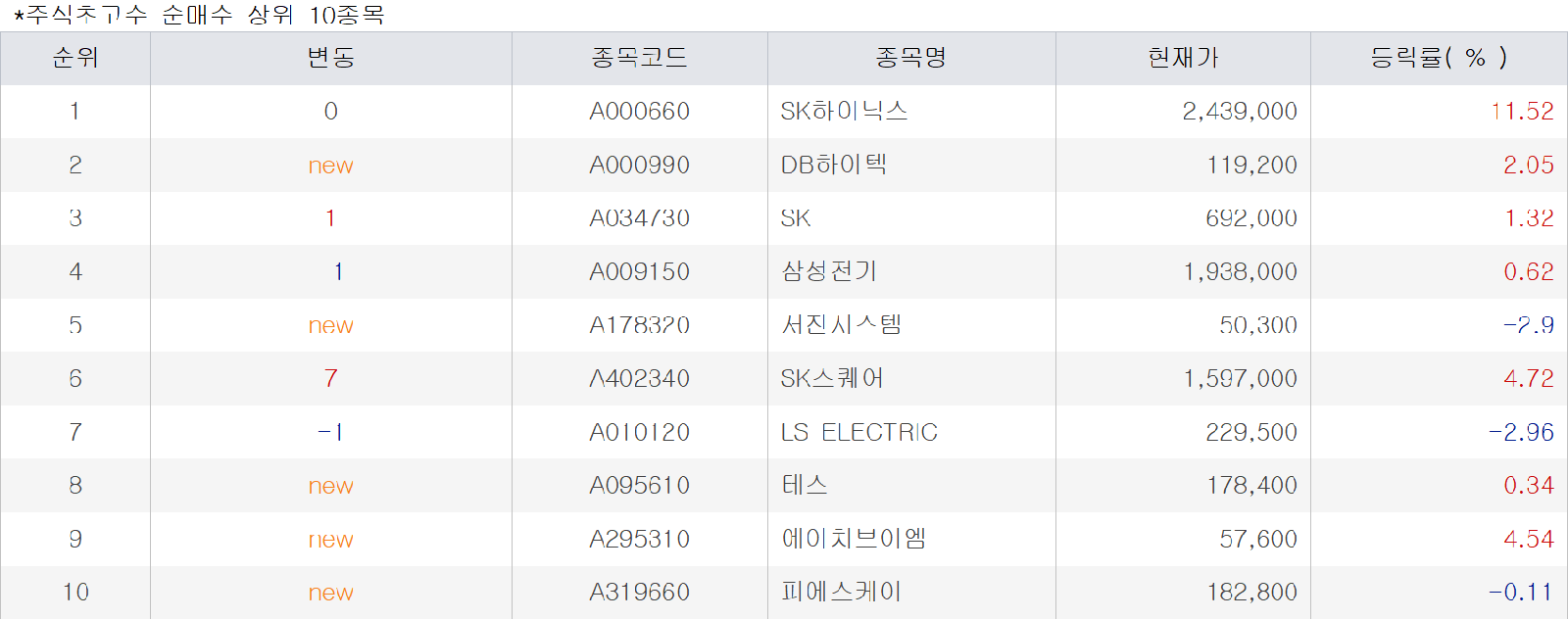
As of 2:30 p.m. on July 3, top 1% return investors were buying SK hynix most aggressively. DB HiTek also ranked among favored purchases, extending interest across chip stocks. Samsung Electronics led net selling but still rose, showing a split in semiconductor flows.
SK Hynix Jumps Over 10% as Institutional Buying Lifts KOSPI Back Above 8,000
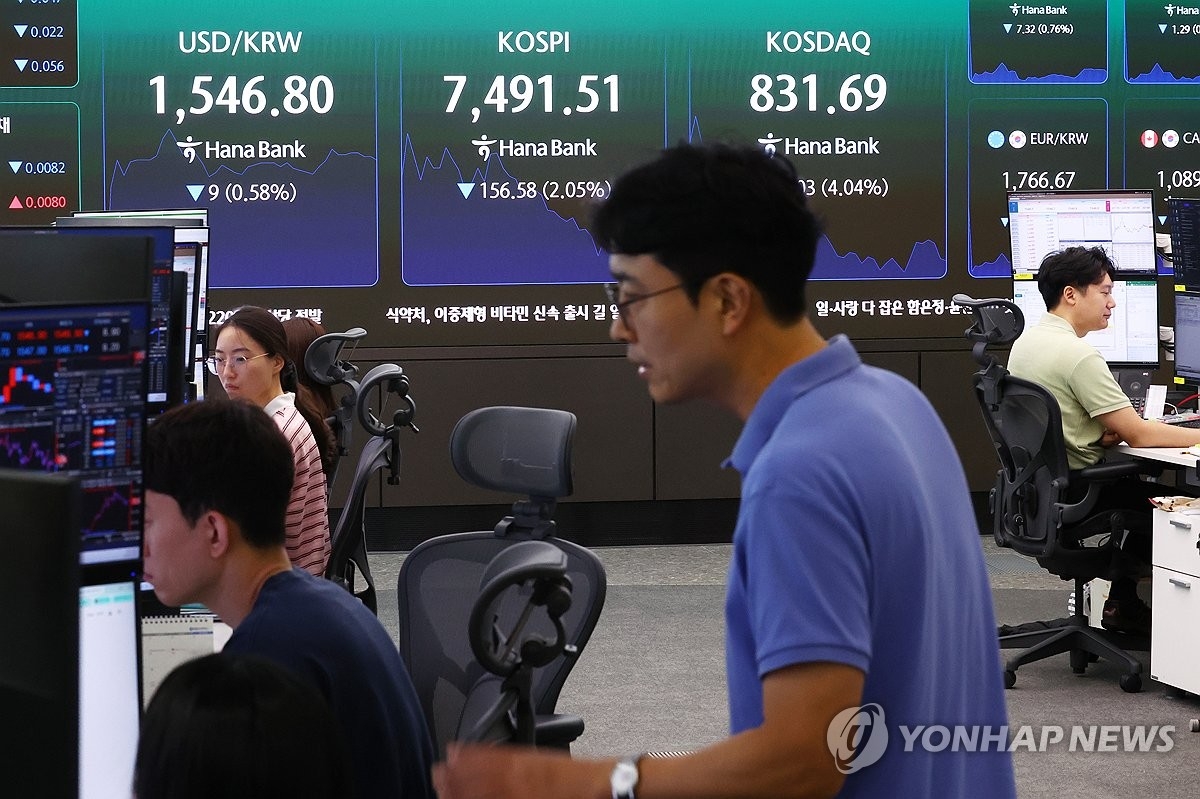
SK Hynix led a powerful rebound in Korean equities on July 3 with a double-digit gain. Samsung Electronics and SK Hynix rose about 8% to 10%, putting semiconductors at the center of the KOSPI recovery. Institutional investors added roughly 4.4 trillion won net, helping the index close back above 8,000.
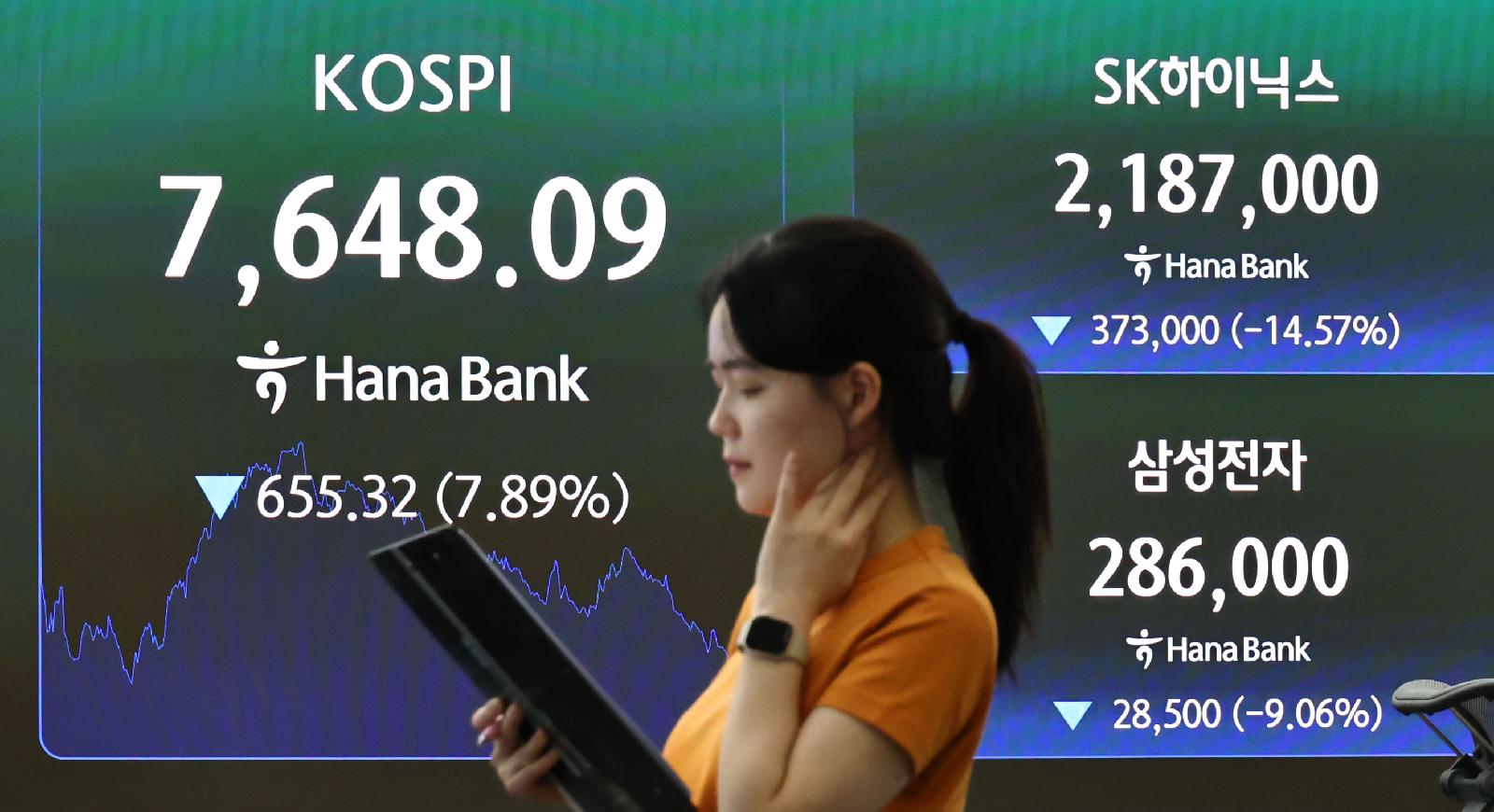
Meta neocloud review shakes chip stocks as SK Hynix buyers watch rebound
Meta’s review of a neocloud business has shaken Korean semiconductor sentiment. Investors who bought SK Hynix near 290,000 won are watching for a rebound, while Samsung Electronics holders are reassessing memory demand. The key question is whether idle compute sales slow new server investment or coexist with AI infrastructure expansion.