KOSDAQ drops over 5% on July 14, sell sidecar triggered as program sell orders pause
The KOSDAQ triggered a sell sidecar at 12:06:33 p.m. on July 14 after the index dropped more than 5% intraday. The measure temporarily suspends program sell quotes to slow mechanical selling pressure. It is not a full market halt, but a targeted volatility-control mechanism for program selling. Investors should watch KOSDAQ 150-linked products, leveraged ETF
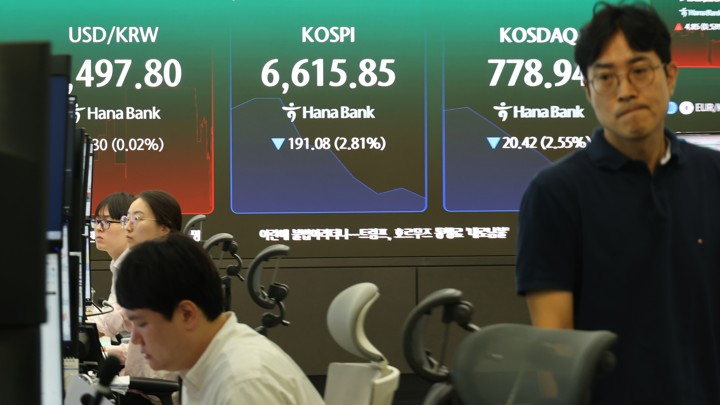
The KOSDAQ market triggered a sell sidecar on July 14 after the index fell more than 5% during the session. The measure took effect at 12:06:33 p.m. Korea time. Its purpose is to temporarily suspend program sell quotes so algorithmic and index-linked selling does not accelerate a disorderly decline. This is different from a circuit breaker because it does not shut the entire market.
How it works
A sell sidecar is a Korean market-stabilization tool used when sharp index moves and program trading intensify selling pressure. KOSDAQ has a large retail investor base and many growth, biotech, battery and semiconductor materials names, so price swings can spread quickly. The temporary pause gives the order book time to absorb stress and reduces chasing sell orders.
Market impact
The key figures are clear: a drop in the 5% range and activation at 12:06:33 p.m. Program sell quotes in the KOSDAQ market were the target of the temporary suspension. Leveraged ETFs, KOSDAQ 150-linked products and stocks with heavy margin financing can feel stronger volatility. For Korean won-based investors, the decline hits account value directly, while foreign investors also face currency effects.
Outlook
Investors should treat the sidecar as a liquidity signal, not as an automatic buy signal or proof of another plunge. Regular trading and individual stock price moves can continue. The late-session focus is whether growth, biotech, battery and semiconductor equipment shares narrow losses and whether trading value recovers. Volatility is likely to remain tied to additional selling, exchange rates, rate expectations and foreign futures positioning.
Key points
- The KOSDAQ triggered a sell sidecar at 12:06:33 p.m. on July 14 after the index dropped more than 5% intraday. The measure temporarily suspends program sell quotes to slow mechanical selling pressure. It is not a full market halt, but a targeted volatility-control mechanism for program selling. Investors should watch KOSDAQ 150-linked products, leveraged ETF
- Use the body and FAQ context before acting on this update.
- Compare with related issues inside the category hub.
FAQ
What is a KOSDAQ sell sidecar?
It is a Korean market-stabilization tool that temporarily suspends program sell quotes when rapid index declines amplify selling pressure.
When was the KOSDAQ sell sidecar triggered?
It was triggered at 12:06:33 p.m. Korea time on July 14 after the KOSDAQ fell more than 5% intraday.
Does a sidecar mean the whole market stopped trading?
No. This measure temporarily suspended KOSDAQ program sell quotes and is separate from a full-market circuit breaker.
Latest stories
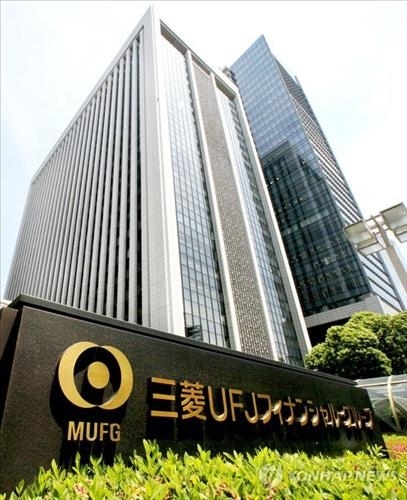
Mitsubishi UFJ Takes Market-Cap Crown as Kioxia Falls 13% in Japan’s Rate Shift
Japan’s equity leadership has shifted from semiconductors to banks. A 1% BOJ policy rate and a 99.6% probability of another hike this year lifted expectations for Mitsubishi UFJ’s margins and earnings. Shareholder returns and active fiscal policy added support, while Kioxia’s 13% drop exposed memory-cycle sensitivity.
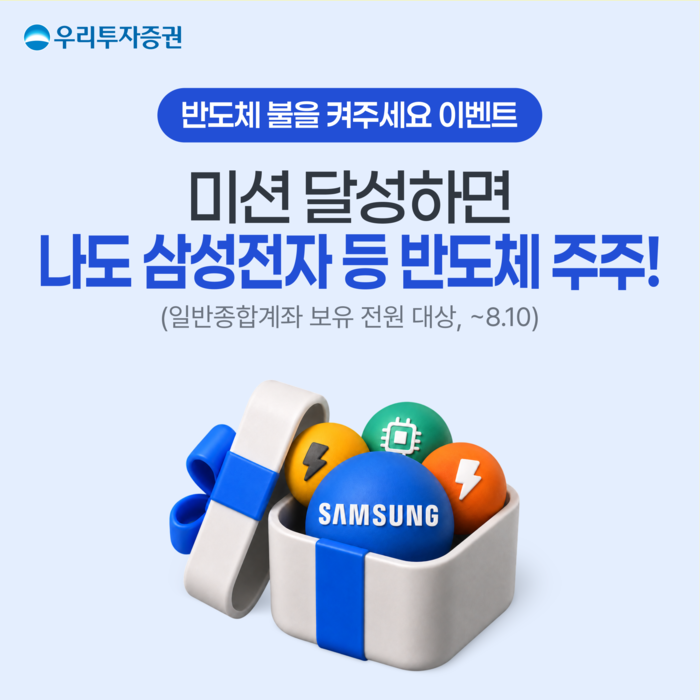
Woori Investment Launches Chip Event With Samsung and ETF Share Rewards
Woori Investment & Securities is targeting demand for semiconductor and AI-related investing with an event running through August 10. The campaign offers one share of Samsung Electronics and one share of a semiconductor-related ETF. It is designed to give retail investors exposure to both a major Korean chip stock and a diversified thematic fund.
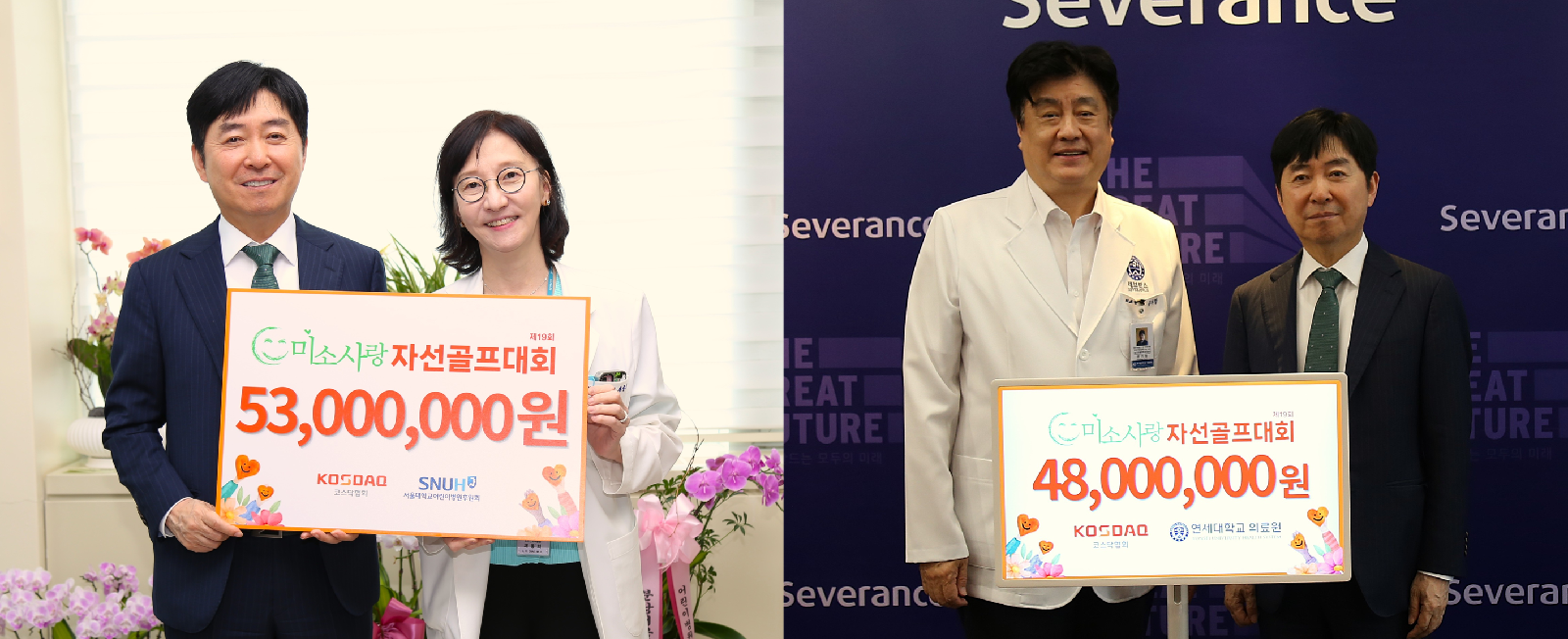
Kosdaq Association Donates 371 Million Won to Support Sick Children and Neighbors
The Kosdaq Association delivered 371 million won through its Miso Sarang sponsorship program. The funds will be distributed to 16 organizations supporting sick children and vulnerable neighbors. The donation highlights a broader social responsibility role for Korea’s Kosdaq-listed corporate community.
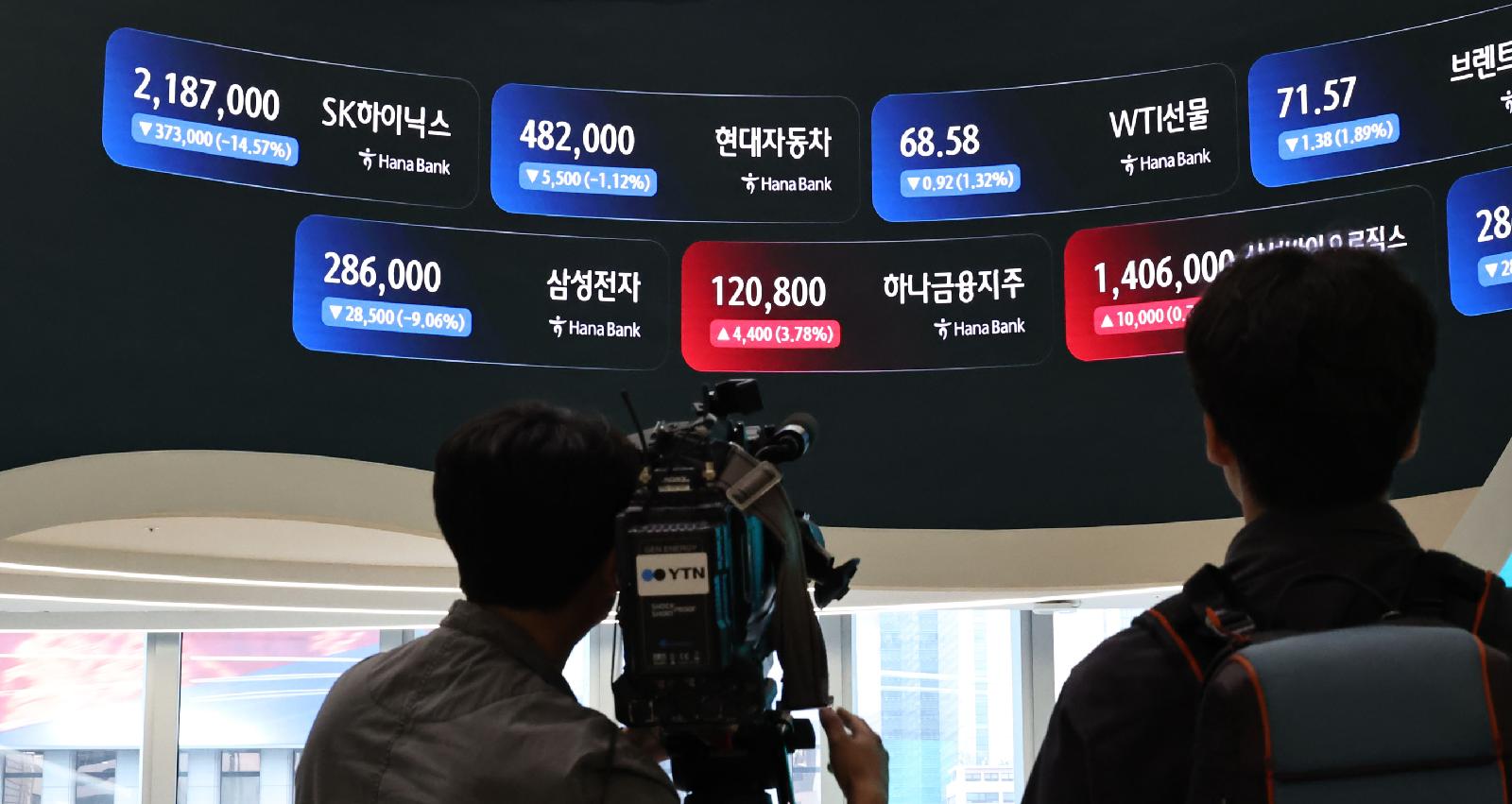
Samsung Electronics and SK Hynix Dominate Searches Before July Earnings
Korean investors are concentrating on Samsung Electronics and SK Hynix as market volatility intensifies. Reports tied to the two chip leaders filled the top 10 most-viewed slots before July earnings. KOSDAQ also entered the top 10 keyword searches, showing continued interest in growth stocks. Earnings, the won-dollar exchange rate and foreign flows will shap
KOSPI at 8,000 Still Looks Cheap as Korea’s Low-PBR Stocks Face a Test
The KOSPI has entered a powerful long-term rally, but the broader Korean market is not uniformly expensive. Semiconductor giants have lifted the index, while many listed companies still trade below book value. Firms without a credible growth path face pressure to return capital through dividends and buybacks. Korea’s next re-rating will depend on shareholder
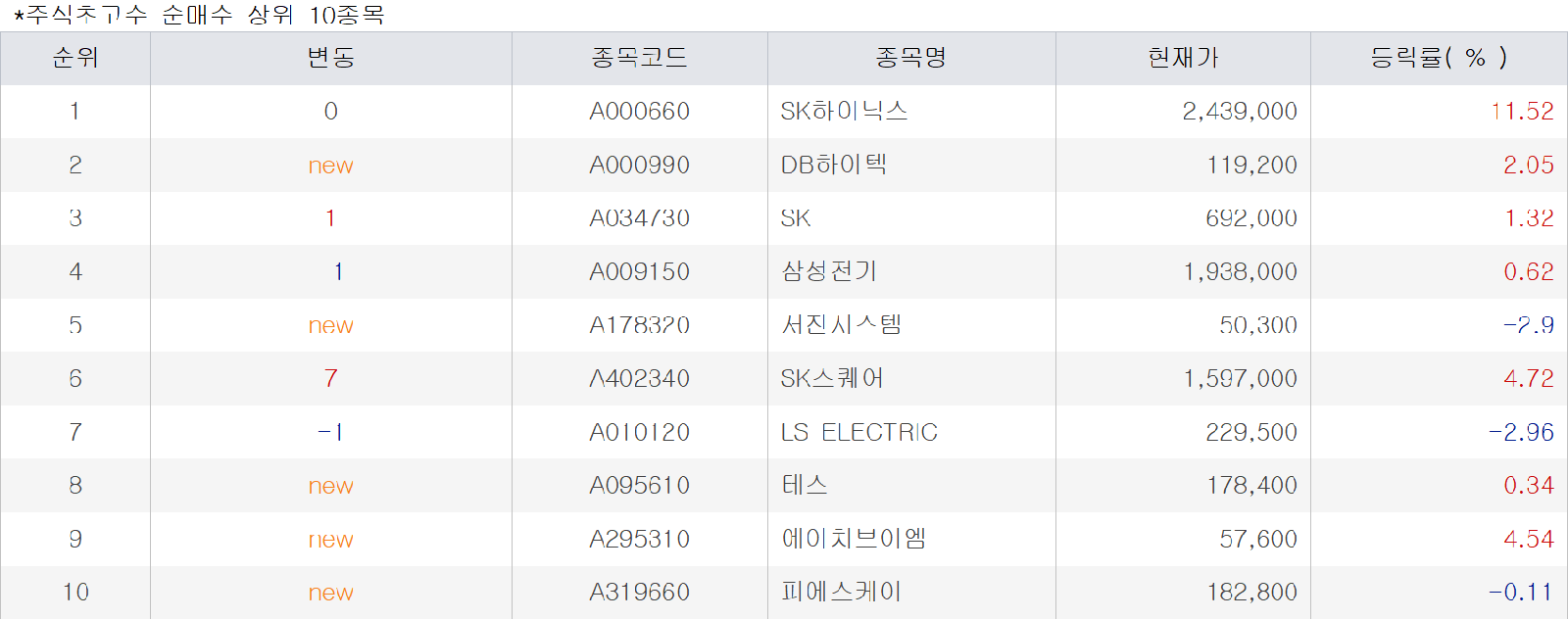
SK hynix draws elite investor buying as perceived value leads Korea chip trade
As of 2:30 p.m. on July 3, top 1% return investors were buying SK hynix most aggressively. DB HiTek also ranked among favored purchases, extending interest across chip stocks. Samsung Electronics led net selling but still rose, showing a split in semiconductor flows.
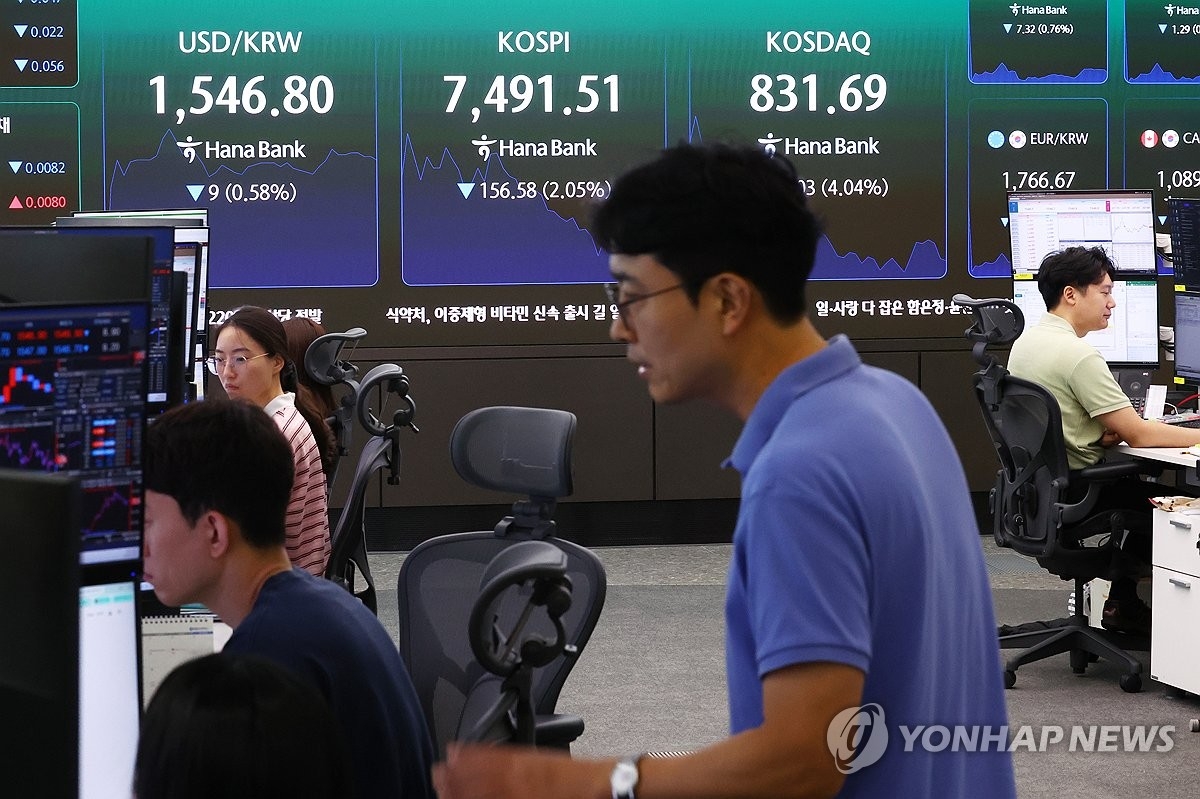
SK Hynix Jumps Over 10% as Institutional Buying Lifts KOSPI Back Above 8,000
SK Hynix led a powerful rebound in Korean equities on July 3 with a double-digit gain. Samsung Electronics and SK Hynix rose about 8% to 10%, putting semiconductors at the center of the KOSPI recovery. Institutional investors added roughly 4.4 trillion won net, helping the index close back above 8,000.
Meta neocloud review shakes chip stocks as SK Hynix buyers watch rebound
Meta’s review of a neocloud business has shaken Korean semiconductor sentiment. Investors who bought SK Hynix near 290,000 won are watching for a rebound, while Samsung Electronics holders are reassessing memory demand. The key question is whether idle compute sales slow new server investment or coexist with AI infrastructure expansion.