KOSPI retreats to 8,400 as foreign and institutional selling revives circuit-breaker fears
The KOSPI retreated to the 8,400 level on the 26th under simultaneous selling by foreign and institutional investors. The previous day’s gain of more than 5%, fueled by Micron’s surprise earnings, quickly lost momentum. Semiconductor optimism remained, but profit-taking and risk aversion revived circuit-breaker concerns.
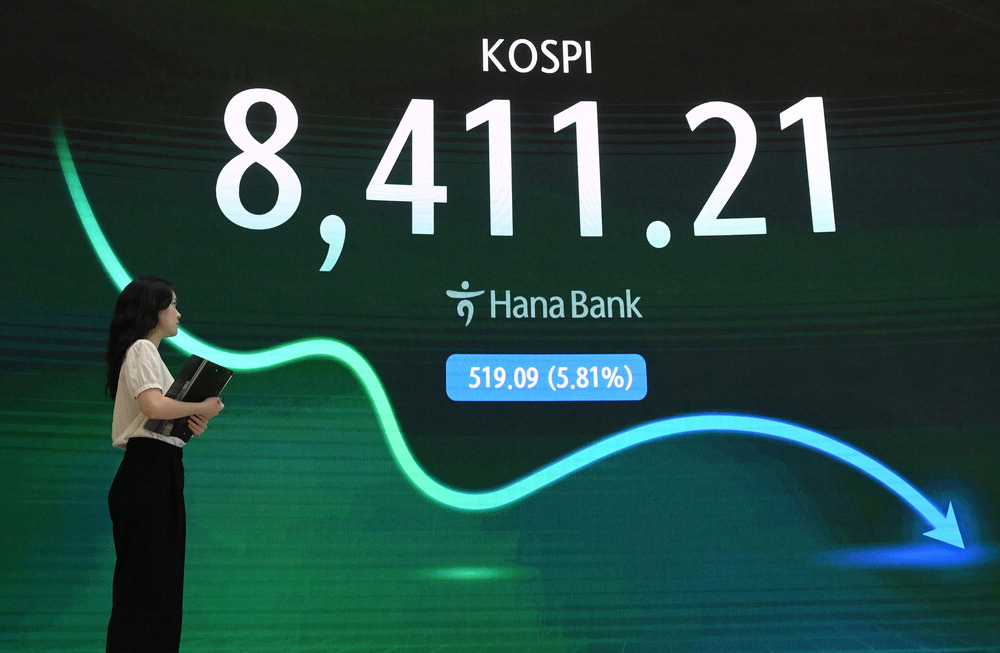
The KOSPI fell back to the 8,400 level on the 26th as foreign and institutional investors sold shares in tandem. A day earlier, Micron’s surprise earnings had powered a gain of more than 5%, lifting Korean semiconductor names and related supply-chain stocks. That momentum vanished quickly as investors locked in short-term gains and reduced risk exposure.
Semiconductor rally loses force
Micron’s results strengthened expectations for a recovery in memory chips, artificial-intelligence servers and high-bandwidth memory demand. Korean investors initially treated the earnings surprise as a positive signal for major domestic chipmakers. But the sharp rally also left the market vulnerable. On the 26th, the same theme became a trigger for profit-taking rather than fresh buying.
Circuit-breaker caution returns
The day’s pressure came mainly from market flows. When foreign and institutional investors both turned sellers, heavyweight stocks weakened and index volatility widened. The KOSPI’s slide to the 8,400 level pushed traders to watch the possibility of circuit-breaker conditions, a mechanism designed to pause trading during extreme market drops. Whether triggered or not, the concern showed that market stress had risen sharply.
For Korean investors, the move matters beyond one weak session. Foreign selling can pressure large-cap stocks, won-denominated assets, domestic equity funds and retirement portfolios with stock exposure. The next phase depends on whether semiconductor earnings expectations can hold while foreign and institutional flows stabilize. Until then, the KOSPI is likely to remain volatile around the 8,400 zone.
Key points
- The KOSPI retreated to the 8,400 level on the 26th under simultaneous selling by foreign and institutional investors. The previous day’s gain of more than 5%, fueled by Micron’s surprise earnings, quickly lost momentum. Semiconductor optimism remained, but profit-taking and risk aversion revived circuit-breaker concerns.
- Use the body and FAQ context before acting on this update.
- Compare with related issues inside the category hub.
FAQ
Why did the KOSPI fall on the 26th?
The index dropped because foreign and institutional investors sold at the same time, increasing pressure on large-cap stocks.
Why did Micron’s earnings boost fade so quickly?
After a gain of more than 5%, investors took profits and reduced risk, limiting follow-through buying.
What does circuit-breaker concern mean?
It means volatility and fear rose enough for traders to focus on the market mechanism that can temporarily halt trading during sharp declines.
Latest stories

KOSPI Rally Raises False-Rally Warning as ETFs, Blue Chips and Dividends Flash Risks
The KOSPI’s advance does not fully reflect the health of the broader market. Three warning signs stand out: more falling stocks than rising ones, ETFs drifting away from fair value, and blue-chip shares turning into speculative trades. Even 5% dividend yields are being overlooked as short-term momentum dominates.
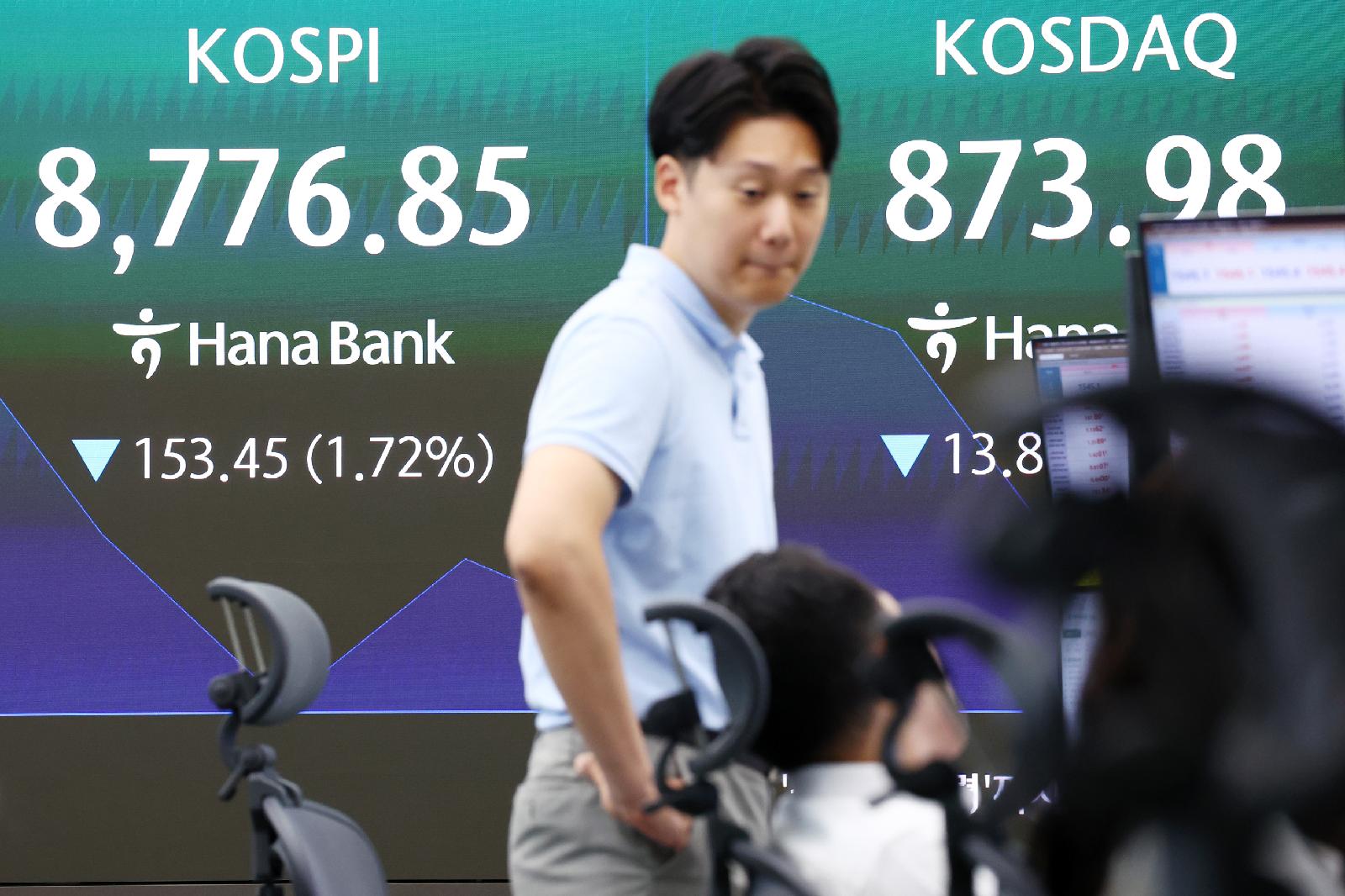
Korean Stock Market Volatility Surges as Sidecars and Circuit Breakers Hit Trading
Korean equities are moving through an unusually volatile phase, with daily moves of 4% to 5% or more. Buy-side and sell-side sidecars, as well as circuit breakers, have been activated. Profit-taking, heavy concentration in semiconductor shares and leveraged trading are widening index swings. Investors now need to watch won-based returns, FX moves and credit
Samsung Electronics and SK Hynix Slump Tests Global AI Chip Sentiment
Samsung Electronics and SK Hynix have become central gauges for global AI chip sentiment. Their decline triggered broader weakness in U.S. and European technology stocks. Investors are reassessing profit-taking, AI server demand and the pace of memory recovery. Micron’s earnings now stand as the next key checkpoint.

Perpetual Futures Expand From Bitcoin to Stocks, Commodities and Private Shares
Perpetual futures are leveraged derivatives that track asset prices without an expiry date. The market is expanding from Bitcoin and Ether into equity indexes, commodities and private-company exposure. U.S. volumes have already reached multibillion-dollar scale, while Korea must reconcile spot-centered crypto markets with derivatives oversight and investor p

Samsung C&T Target Rises Toward 700,000 Won on Samsung Electronics Stake and Nuclear Momentum
Samsung C&T is being re-rated sharply in the Korean market. Gains in Samsung Electronics and other affiliates have lifted the value of its holdings, while dividend expectations strengthened investor demand. Nuclear infrastructure momentum has added a growth angle, putting a 700,000 won target and strong buy case in focus.
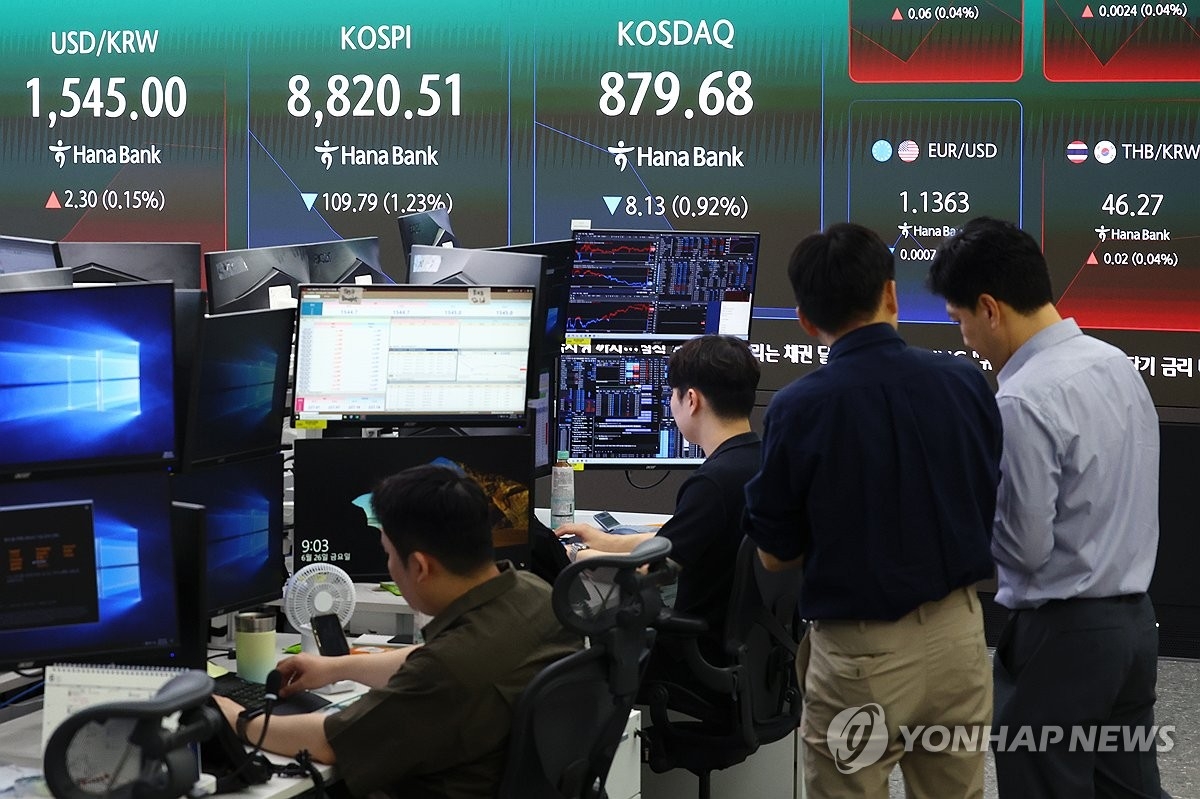
KOSPI Swings After 9,000 Breakout as 9,500 Comes Into View Next Week
The KOSPI is moving sharply in both directions after reaching the 9,000 level. The upper end of next week’s projected range is 9,500, supported by expectations for stronger corporate earnings. Strategy remains centered on leading stocks rather than broad index chasing.
Micron Shares Track Samsung and SK Hynix as Kospi Becomes an AI Chip Barometer
The Kospi has emerged as a key price signal for global AI semiconductor investors after reaching the 9,000 level and moving sharply in both directions. Samsung Electronics and SK Hynix now influence sentiment around Micron shares. ETF markets are treating Korea-driven volatility as a major risk variable, while Japanese investors are building trading strategi
Korea Stock Settlement Roadmap Set for October, Sale Proceeds Due Next Day
Korea is preparing a roadmap to shorten the stock trading settlement cycle in October. Once implemented, investors will be able to receive sale proceeds the day after selling shares. The reform will affect retail cash flow, brokerage operations, clearing, custody and foreign investor processes. It is also expected to strengthen confidence in the domestic cap