KOSPI Swings After 9,000 Breakout as 9,500 Comes Into View Next Week
The KOSPI is moving sharply in both directions after reaching the 9,000 level. The upper end of next week’s projected range is 9,500, supported by expectations for stronger corporate earnings. Strategy remains centered on leading stocks rather than broad index chasing.
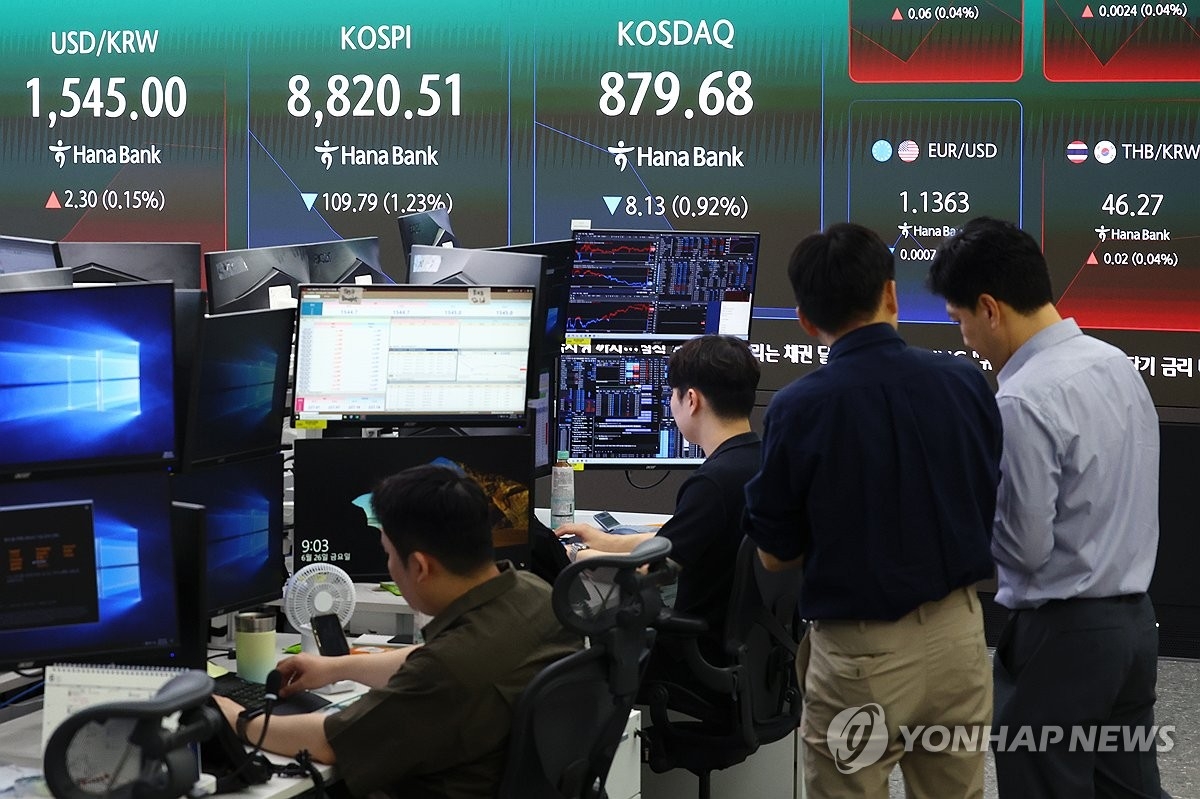
The KOSPI has entered a roller-coaster phase after touching 9,000, with sharp gains and pullbacks replacing a clean one-way trend. For the week of June 29 to July 3, the key question is whether the Korean benchmark can approach 9,500. Earnings expectations are supporting the downside, but the speed of the recent rise and profit-taking pressure are likely to keep intraday volatility high.
Speed Risk After 9,000
The market’s focus has shifted from the 9,000 milestone to what happens after it. Buying is concentrated in leadership stocks, while short-term profit-taking is hitting weaker sectors first. That is widening the gap between large caps and smaller names, growth stocks and cyclical shares. For Korean investors using won-based returns, stock-level earnings visibility, foreign flows and currency sensitivity matter more than the index level alone.
9,500 Is the Upper Test
The projected upper range for next week stands near 9,500. From 9,000, that implies roughly 5.6% further upside. To break through this zone, the market needs confirmation of improving earnings rather than liquidity alone. Semiconductors, AI infrastructure, power equipment, autos, shipbuilding and defense remain areas where export strength can support profit expectations. Domestic factors such as disclosure oversight, unfair trading surveillance, short-selling dynamics, derivatives volatility and sustained buying by pension funds and foreign investors remain important checks.
Stick With Market Leaders
The main issue is not only whether the KOSPI rises, but which stocks lead it. In a 9,500 test, companies with rising earnings estimates and durable trading value are better positioned. Stocks driven only by themes, without improving fundamentals, may fall harder when volatility rises. Short-term traders need staged entries and clear stop levels, while longer-term investors should compare earnings growth with valuation. The KOSPI is likely to keep its upward bias, but with sharper speed control.
Key points
- The KOSPI is moving sharply in both directions after reaching the 9,000 level. The upper end of next week’s projected range is 9,500, supported by expectations for stronger corporate earnings. Strategy remains centered on leading stocks rather than broad index chasing.
- Use the body and FAQ context before acting on this update.
- Compare with related issues inside the category hub.
FAQ
What is the KOSPI’s expected upper range next week?
The projected upper range for next week is near 9,500, though volatility has increased after the 9,000 breakout.
Why has KOSPI volatility increased?
The index rose quickly to 9,000, triggering profit-taking and wider sector divergence during daily trading.
What strategy looks most effective?
Selective exposure to leading stocks with improving earnings expectations is more effective than simply chasing the index.
Latest stories
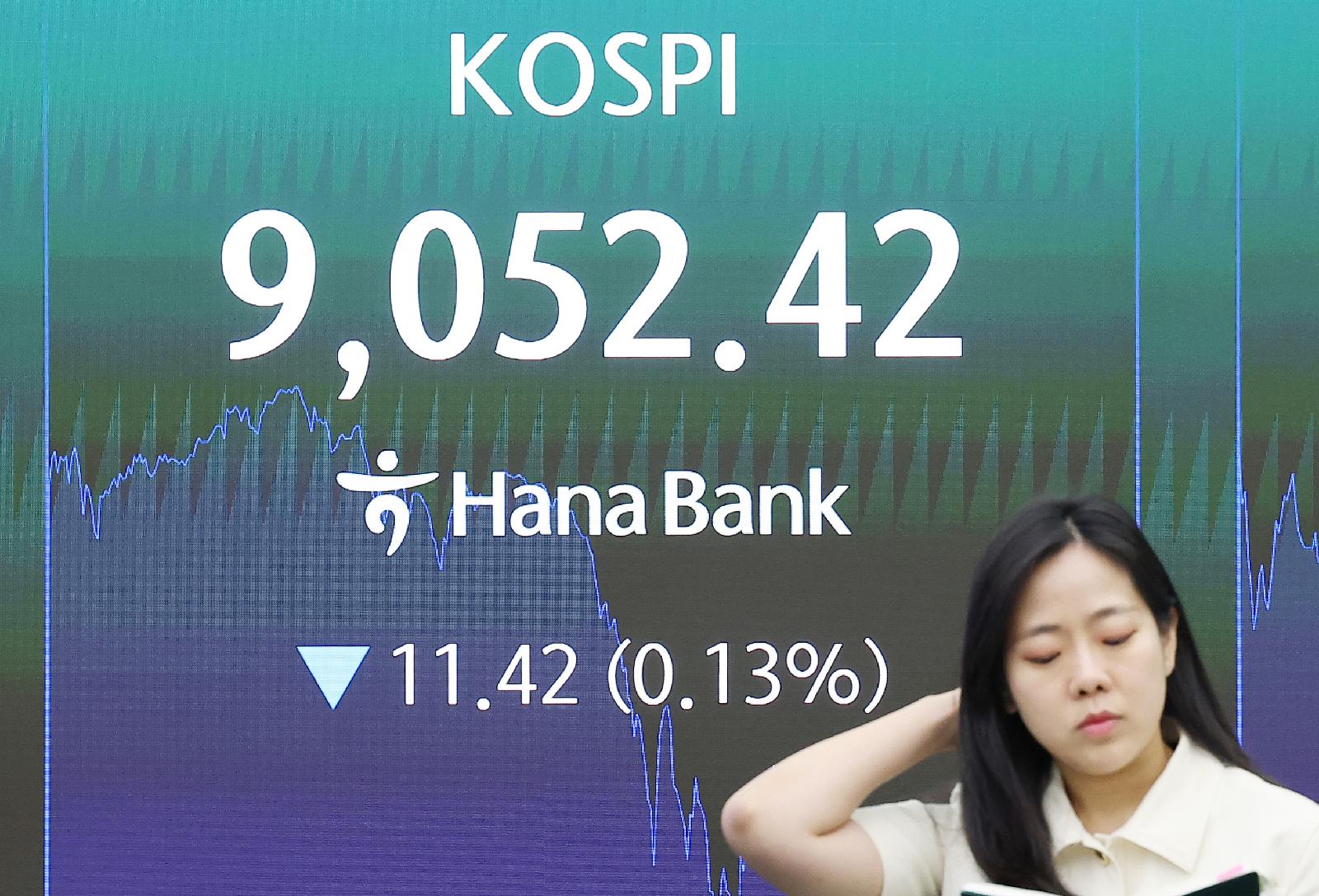
Kospi Above 9,000 Faces Key Test From Micron Earnings and U.S. PCE Inflation
The Kospi’s first move above 9,000 marks a major psychological shift for Korean equities. This week’s focus is Micron’s earnings and the U.S. PCE price index. Semiconductor demand, rate expectations and won-denominated returns will decide whether the rally can hold.
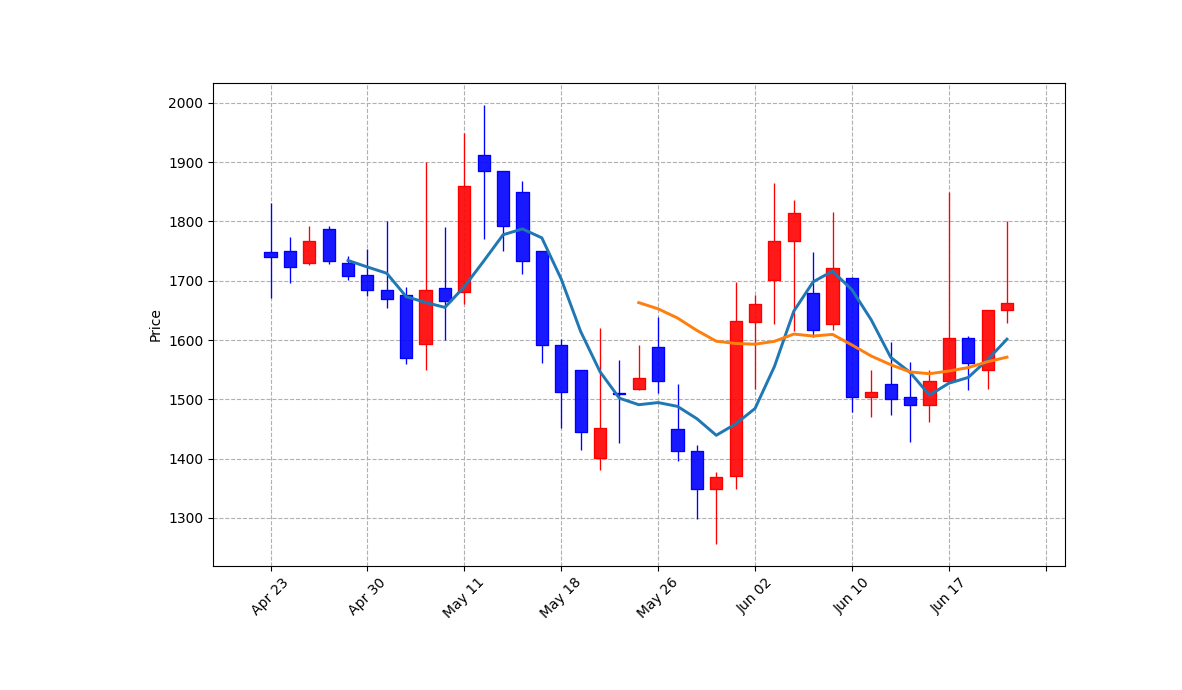
Golden Cross Stocks Jusung Corporation and Bistos Draw Attention in Korea
Jusung Corporation and Bistos have been identified as golden cross breakout stocks in the Korean market. A golden cross signals that short-term moving averages have moved above longer trend lines. The signal can improve sentiment, but trading volume, filings and company-specific momentum still matter.
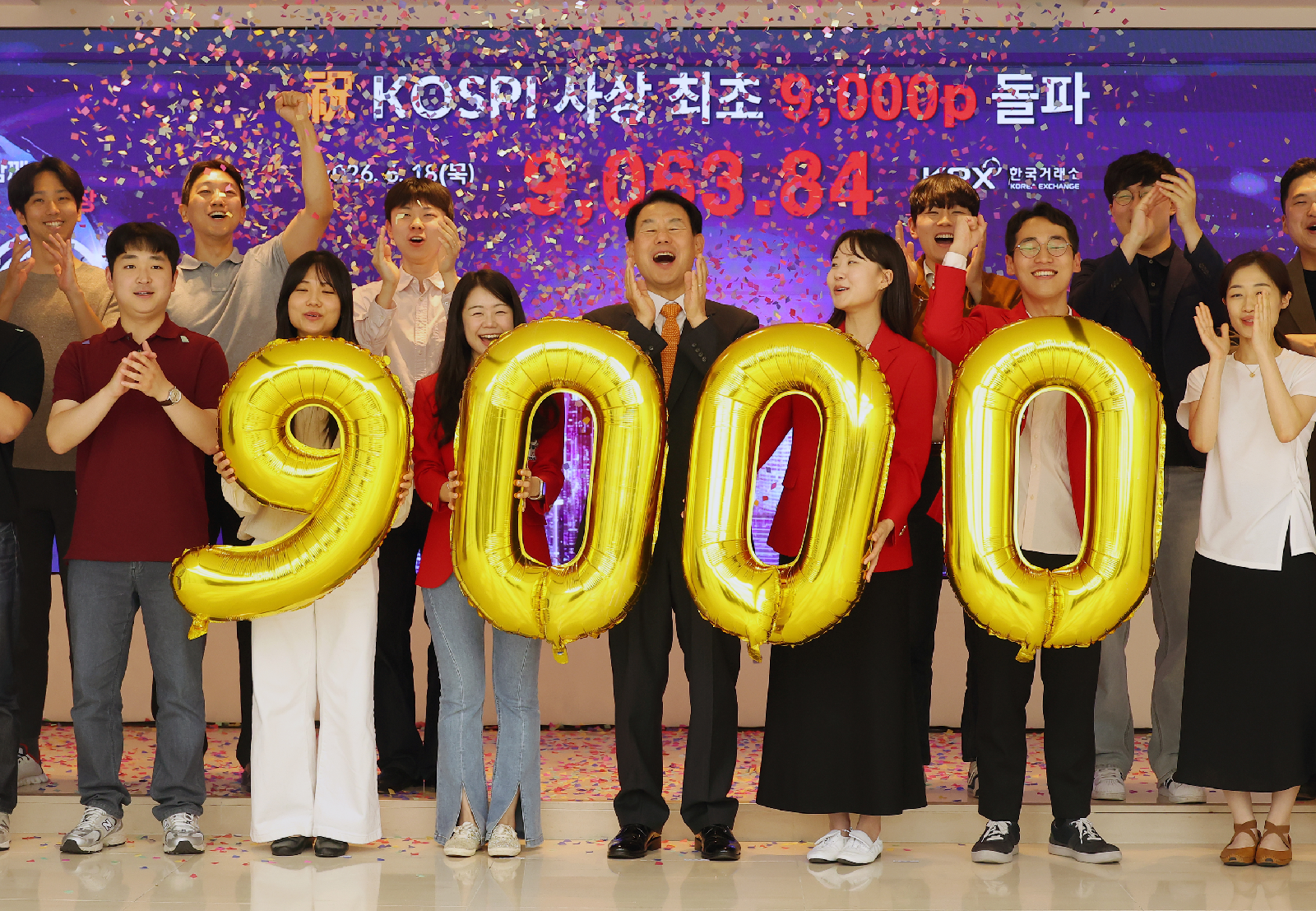
MSCI Developed-Market Gate Looms as Kospi 9000 Sets Up Korea’s 10000 Test
The Kospi has crossed 9000, but the bigger market question is whether Korea can move beyond emerging-market treatment in MSCI’s framework. The index needs roughly 11.1% more to reach 10000. Currency access, settlement rules, dividend processes and English disclosure are central to the next rerating.
Semiconductor Stocks Face Key Week as SK Hynix ADR Hopes and Micron Earnings Set the Tone
Korean equities are focused on whether semiconductor stocks can extend their rally. SK Hynix’s expected U.S. ADR approval and Micron’s June 24 earnings are the immediate catalysts. Korea’s MSCI inclusion debate may also influence foreign flows and the valuation of won-denominated assets.
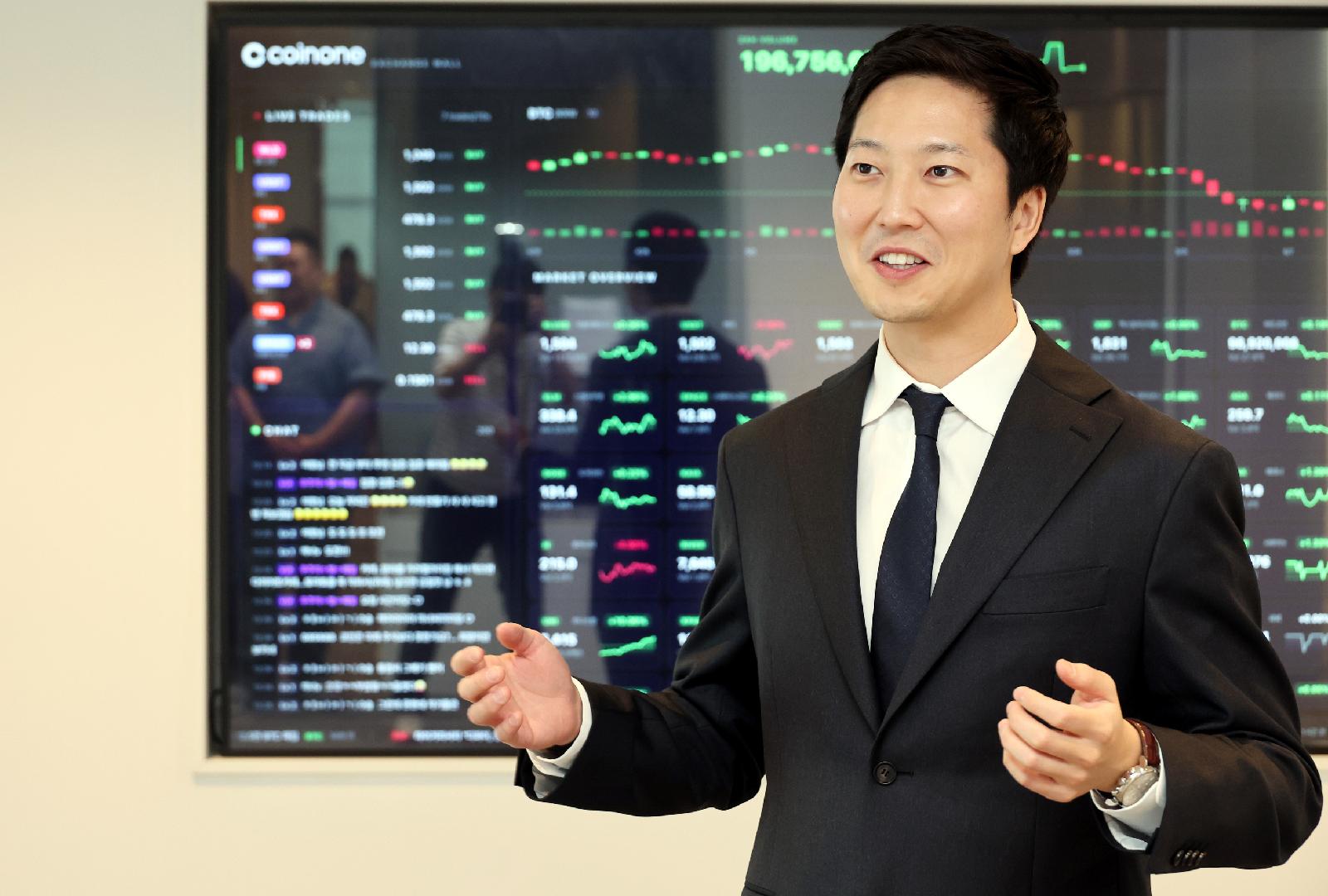
Coinone Eyes Stocks Inside Crypto Exchange With 80 Billion Won Alliance Plan
Coinone is preparing to broaden its crypto exchange into a stock-investing touchpoint. CEO Cha Myung-hun, a white-hat hacker founder who also works directly on AI coding, is targeting a stable double-digit trading share this year. The exchange also aims to reach 1 million monthly users by year-end.
Penny Stock Delisting Risk Hits 219 Korean Firms as Rule Nears
Korea’s penny stock market is facing a major test as a new delisting rule tied to shares below 1,000 won approaches. The risk group totals 219 companies, including 148 Kosdaq and 42 Kospi stocks. Up to 8 trillion won in market value could be affected, raising concern among retail investors.