Penny Stock Delisting Risk Hits 219 Korean Firms as Rule Nears
Korea’s penny stock market is facing a major test as a new delisting rule tied to shares below 1,000 won approaches. The risk group totals 219 companies, including 148 Kosdaq and 42 Kospi stocks. Up to 8 trillion won in market value could be affected, raising concern among retail investors.
Partner picks
Relevant partner links for this story
A lightweight commerce block designed to add monetization without breaking reading flow.
Good fit for Korea-based visitors ready to buy.
View offerWorks well for price-sensitive gadget and desk-tool traffic.
View offerUseful for books, work tools, and international shoppers.
View offerAdvertisement
This module may include affiliate links that earn a commission from qualifying purchases. 글로벌스톡펄스
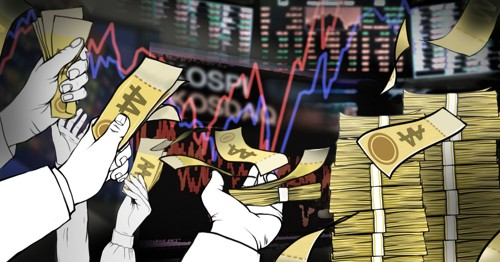
Penny stock delisting risk has become a central issue in the Korean equity market. With only ten days left before the rule linking sub-1,000-won shares to delisting criteria takes effect, 219 listed companies are now in the danger zone. Low-priced stocks account for about 8% of the domestic market, and their combined market value is estimated at up to 8 trillion won.
Sub-1,000-won stocks become a warning signal
A penny stock usually refers to a low-priced share with high volatility. This time, the 1,000-won threshold matters more because it is directly tied to regulatory screening. After the rule starts, companies that fail to meet requirements may face watch-list designation, a grace period, or a delisting review. A low share price alone does not mean immediate removal, but investors need to check whether their holdings can remain listed.
Kosdaq bears the heavier burden
There are 148 sub-1,000-won stocks on Kosdaq and 42 on Kospi, while the broader risk group reaches 219 companies. Kosdaq may feel the impact more sharply because it includes more growth companies, loss-making firms, and businesses dependent on external funding. On Kospi, weak earnings and capital impairment concerns could quickly hurt sentiment.
What investors should watch
The rule is expected to work as a selective pressure to improve market quality rather than as a blanket removal of all low-priced shares. Still, investors should check audit opinions, capital impairment, operating continuity, trading volume, fundraising plans, and the risk of watch-list designation. Around the rule’s launch, company responses and exchange reviews will likely determine the direction of Korea’s low-priced stock market.
Partner picks
Relevant partner links for this story
A lightweight commerce block designed to add monetization without breaking reading flow.
Good fit for Korea-based visitors ready to buy.
View offerWorks well for price-sensitive gadget and desk-tool traffic.
View offerUseful for books, work tools, and international shoppers.
View offerAdvertisement
This module may include affiliate links that earn a commission from qualifying purchases. 글로벌스톡펄스
Key points
- Korea’s penny stock market is facing a major test as a new delisting rule tied to shares below 1,000 won approaches. The risk group totals 219 companies, including 148 Kosdaq and 42 Kospi stocks. Up to 8 trillion won in market value could be affected, raising concern among retail investors.
- Use the body and FAQ context before acting on this update.
- Compare with related issues inside the category hub.
FAQ
Does a share price below 1,000 won mean immediate delisting?
No. It does not mean automatic delisting, but companies that fail to meet requirements may face watch-list designation, a grace period, or delisting review.
How many stocks are in the risk zone?
The broader risk group totals 219 companies, with 148 Kosdaq and 42 Kospi stocks identified below 1,000 won.
What should investors check first?
Investors should review audit opinions, capital impairment, operating continuity, trading volume, funding plans, and possible watch-list designation.
Related stories
Coinone Eyes Stocks Inside Crypto Exchange With 80 Billion Won Alliance Plan
Coinone is preparing to broaden its crypto exchange into a stock-investing touchpoint. CEO Cha Myung-hun, a white-hat hacker founder who also works directly on AI coding, is targeting a stable double-digit trading share this year. The exchange also aims to reach 1 million monthly users by year-end.
삼성전자 테슬라 추월·SK하이닉스 마이크론 제치며 K-반도체 시총 약진
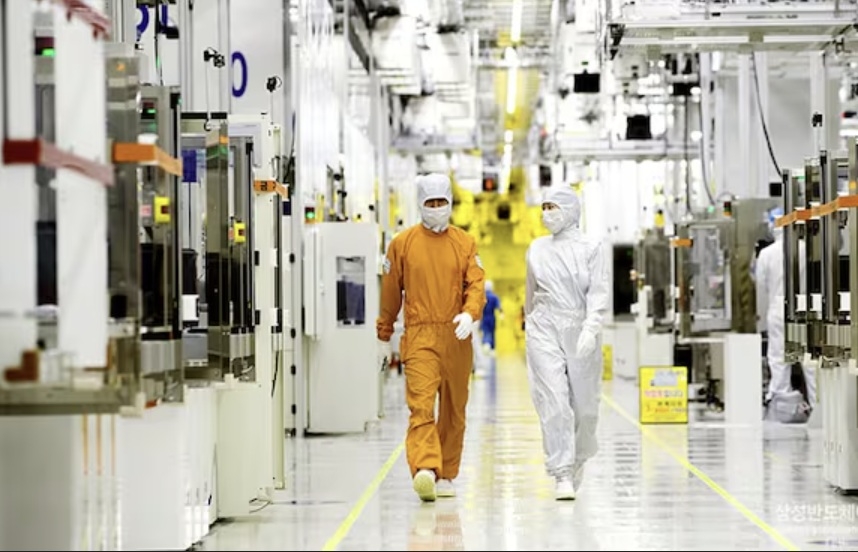
삼성전자가 글로벌 시가총액 순위 12위에 오르며 테슬라를 앞질렀고, SK하이닉스는 15위로 마이크론을 제쳤다. 반도체 업황 회복과 AI 서버용 메모리 수요 확대가 한국 반도체주의 재평가를 이끌었다. 국내 증시에서는 대형 기술주 쏠림과 수출주 실적 기대가 동시에 커지고 있다.
MSCI 지수 편입 갈림길 선 한국증시, 24일 관찰대상국 결과 주목
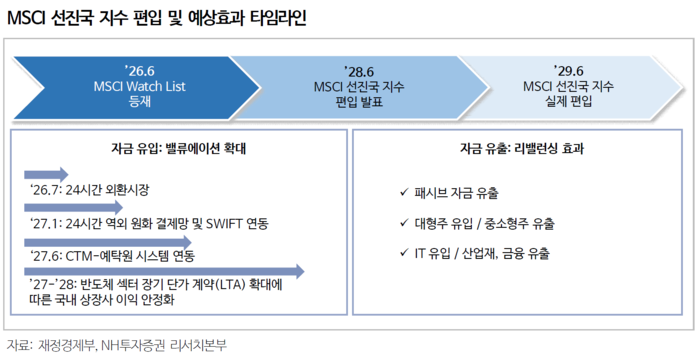
한국 증시가 MSCI 지수 편입 논의의 중대 분기점에 섰다. MSCI는 한국 시장의 투자상품 가용성 평가를 상향했지만, 시장접근성 18개 항목 중 외환·결제 등 5개 부문은 개선 필요 상태로 남겼다. 24일 관찰대상국 편입 여부는 외국인 자금 흐름과 코스피 밸류에이션에 직접 영향을 줄 전망이다.
Partner picks
Relevant partner links for this story
A lightweight commerce block designed to add monetization without breaking reading flow.
Good fit for Korea-based visitors ready to buy.
View offerWorks well for price-sensitive gadget and desk-tool traffic.
View offerUseful for books, work tools, and international shoppers.
View offerAdvertisement
This module may include affiliate links that earn a commission from qualifying purchases. 글로벌스톡펄스