Perpetual Futures Expand From Bitcoin to Stocks, Commodities and Private Shares
Perpetual futures are leveraged derivatives that track asset prices without an expiry date. The market is expanding from Bitcoin and Ether into equity indexes, commodities and private-company exposure. U.S. volumes have already reached multibillion-dollar scale, while Korea must reconcile spot-centered crypto markets with derivatives oversight and investor p

Perpetual futures, or perps, are derivatives with no expiry date. A market once led by Bitcoin and Ether is moving into stock indexes, commodities and synthetic prices of private companies. For Korean investors, leverage and legal protection now matter as much as access.
Around-the-clock leverage
Perps use margin and periodic funding payments to pull contract prices toward the underlying asset. They make overnight and weekend positioning easier, but shocks can trigger fast auto-liquidations. Global venues are testing contracts linked to U.S. equity indexes, gold, oil and pre-IPO company values.
Scale and Korea
One regulated U.S. crypto perp venue passed 8.5 billion dollars in cumulative volume within weeks, about 11.9 trillion won at 1,400 won per dollar. Another operator has processed 211 billion dollars since July 2025, about 295 trillion won, and some stock-index products allow up to 20 times leverage. Korean crypto exchanges remain mainly spot markets, so high-leverage perps would need separate approval, margin rules, risk notices, market halts and settlement standards. Offshore or decentralized use adds FX, tax, access and dispute risk.
Key points
- Perpetual futures are leveraged derivatives that track asset prices without an expiry date. The market is expanding from Bitcoin and Ether into equity indexes, commodities and private-company exposure. U.S. volumes have already reached multibillion-dollar scale, while Korea must reconcile spot-centered crypto markets with derivatives oversight and investor p
- Use the body and FAQ context before acting on this update.
- Compare with related issues inside the category hub.
FAQ
How are perpetual futures different from regular futures?
Regular futures have an expiry date. Perpetual futures do not, and they use funding payments to keep contract prices close to the spot market.
Do stock, commodity or private-share perps mean ownership of the asset?
Usually no. They are cash-settled derivatives tracking price exposure, not ownership of shares, commodities, voting rights or dividends.
What should Korean investors check first?
They should check venue authorization, leverage limits, funding formulas, liquidation rules, won conversion costs, tax reporting and dispute procedures.
Latest stories
KOSDAQ Value-Up Guideline Set for July, Tied to Tier Review and Special Listings
The KOSDAQ value-up program enters a new phase in July. The guideline reflects growth-stage companies, technology-special listing structures and mid-cap market realities. With disclosures covering only 31% by market capitalization, tier reviews and special listing maintenance are expected to become key incentives.
SK Hynix Overtakes Samsung Electronics to Become KOSPI's Top Market-Cap Stock
SK Hynix became the largest KOSPI stock by market capitalization at 12:50 p.m. KST on June 22, 2026. It was the first time the company moved above Samsung Electronics in the ranking. AI semiconductors and high-bandwidth memory demand drove a sharp reassessment of won-denominated value. Investors are watching index weights, passive flows and the durability of
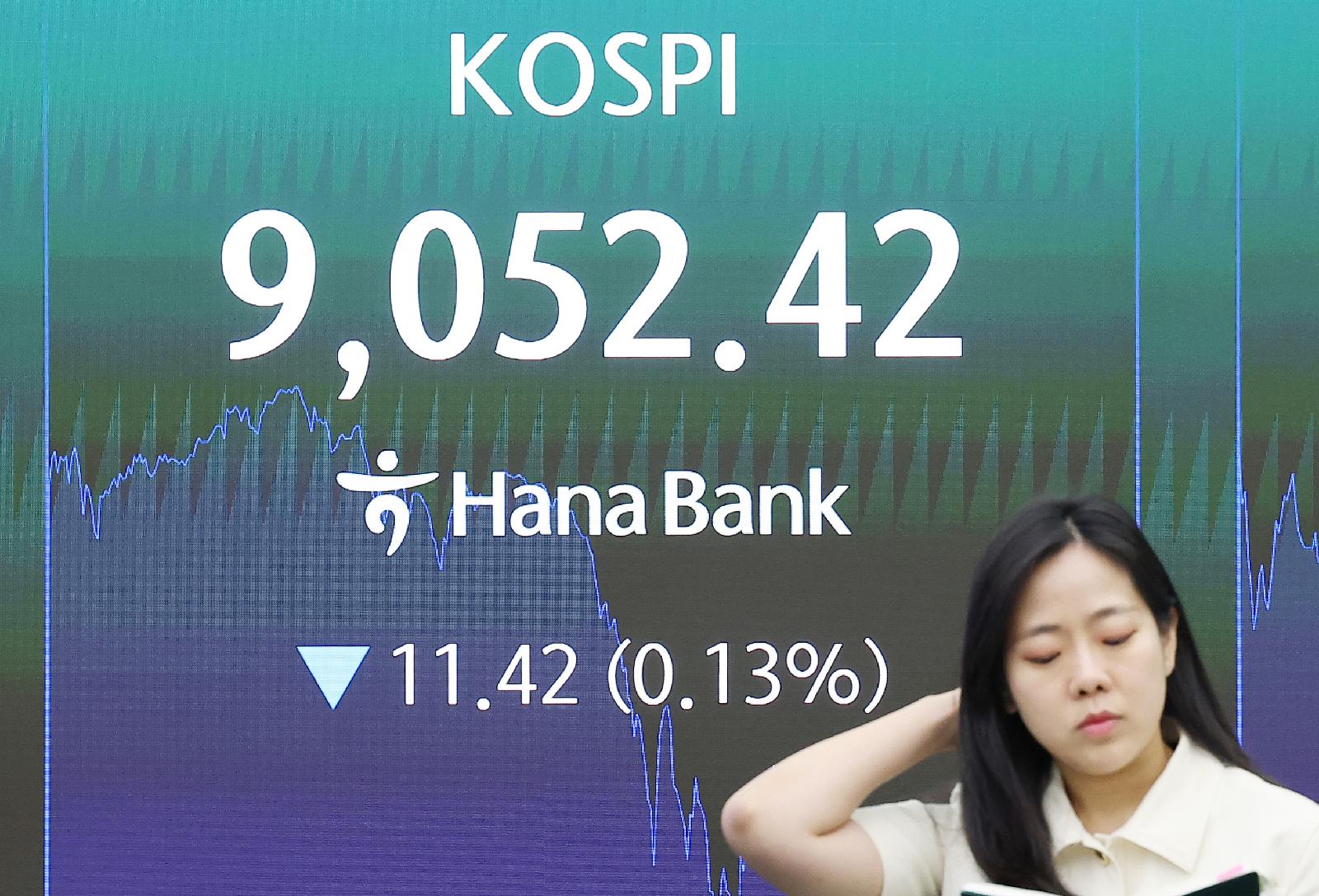
Kospi Above 9,000 Faces Key Test From Micron Earnings and U.S. PCE Inflation
The Kospi’s first move above 9,000 marks a major psychological shift for Korean equities. This week’s focus is Micron’s earnings and the U.S. PCE price index. Semiconductor demand, rate expectations and won-denominated returns will decide whether the rally can hold.
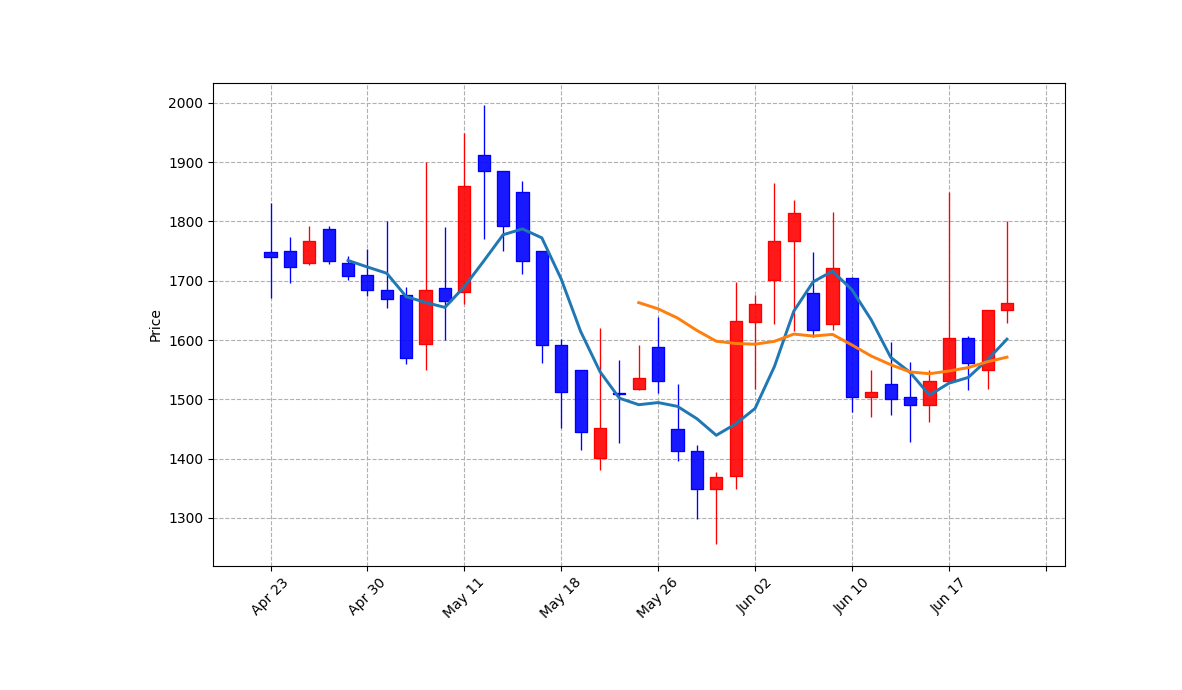
Golden Cross Stocks Jusung Corporation and Bistos Draw Attention in Korea
Jusung Corporation and Bistos have been identified as golden cross breakout stocks in the Korean market. A golden cross signals that short-term moving averages have moved above longer trend lines. The signal can improve sentiment, but trading volume, filings and company-specific momentum still matter.
MSCI Developed-Market Gate Looms as Kospi 9000 Sets Up Korea’s 10000 Test
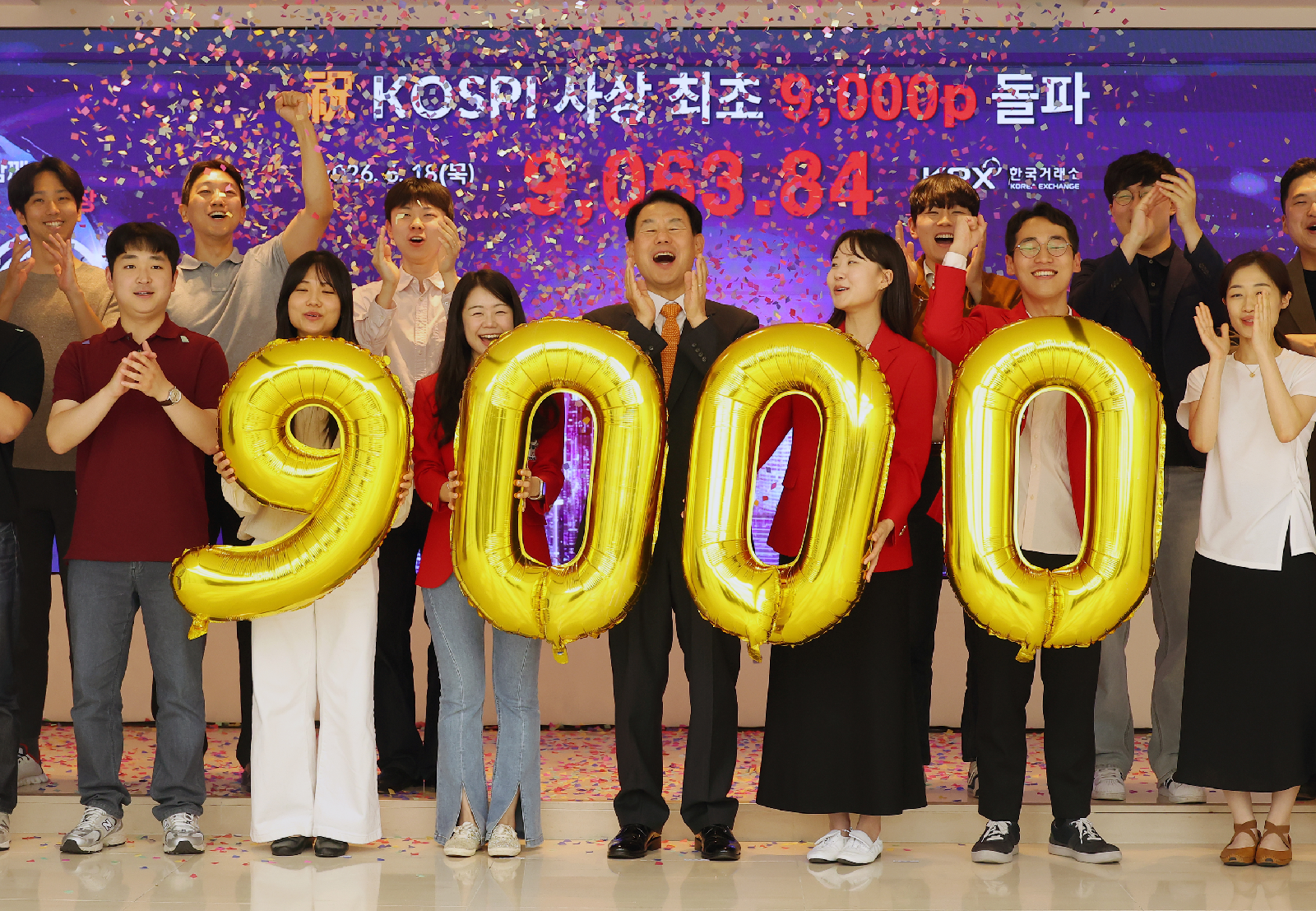
The Kospi has crossed 9000, but the bigger market question is whether Korea can move beyond emerging-market treatment in MSCI’s framework. The index needs roughly 11.1% more to reach 10000. Currency access, settlement rules, dividend processes and English disclosure are central to the next rerating.
Semiconductor Stocks Face Key Week as SK Hynix ADR Hopes and Micron Earnings Set the Tone
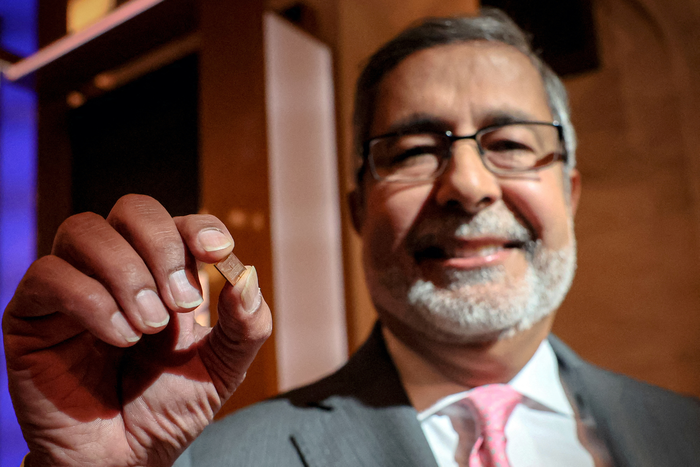
Korean equities are focused on whether semiconductor stocks can extend their rally. SK Hynix’s expected U.S. ADR approval and Micron’s June 24 earnings are the immediate catalysts. Korea’s MSCI inclusion debate may also influence foreign flows and the valuation of won-denominated assets.
Coinone Eyes Stocks Inside Crypto Exchange With 80 Billion Won Alliance Plan
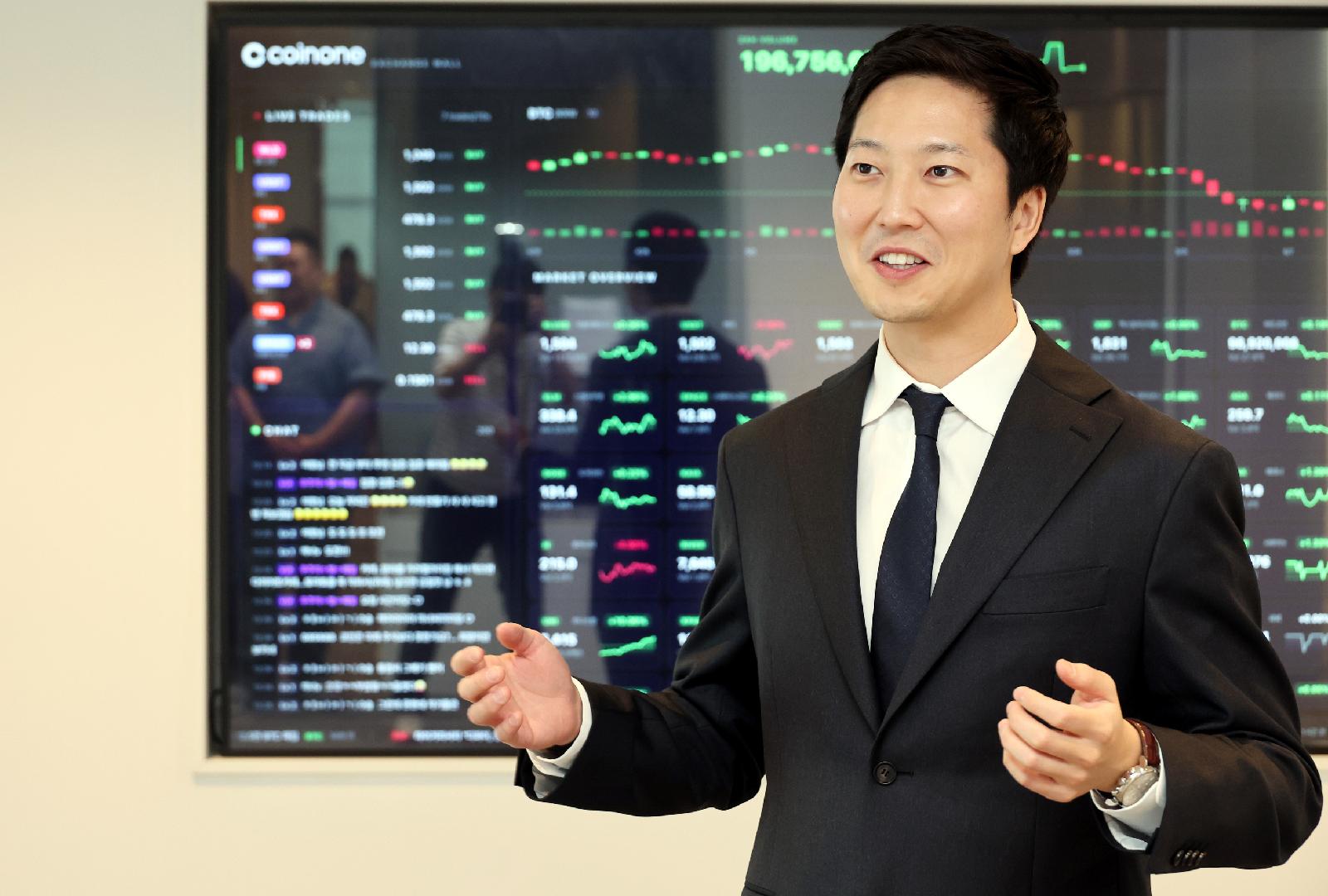
Coinone is preparing to broaden its crypto exchange into a stock-investing touchpoint. CEO Cha Myung-hun, a white-hat hacker founder who also works directly on AI coding, is targeting a stable double-digit trading share this year. The exchange also aims to reach 1 million monthly users by year-end.
Penny Stock Delisting Risk Hits 219 Korean Firms as Rule Nears
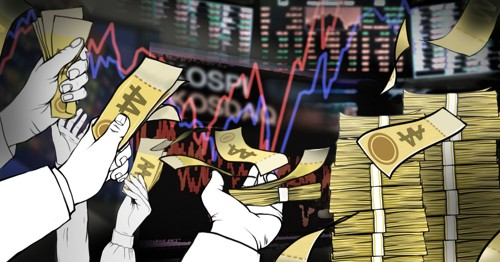
Korea’s penny stock market is facing a major test as a new delisting rule tied to shares below 1,000 won approaches. The risk group totals 219 companies, including 148 Kosdaq and 42 Kospi stocks. Up to 8 trillion won in market value could be affected, raising concern among retail investors.