Korea Stock Settlement Roadmap Set for October, Sale Proceeds Due Next Day
Korea is preparing a roadmap to shorten the stock trading settlement cycle in October. Once implemented, investors will be able to receive sale proceeds the day after selling shares. The reform will affect retail cash flow, brokerage operations, clearing, custody and foreign investor processes. It is also expected to strengthen confidence in the domestic cap
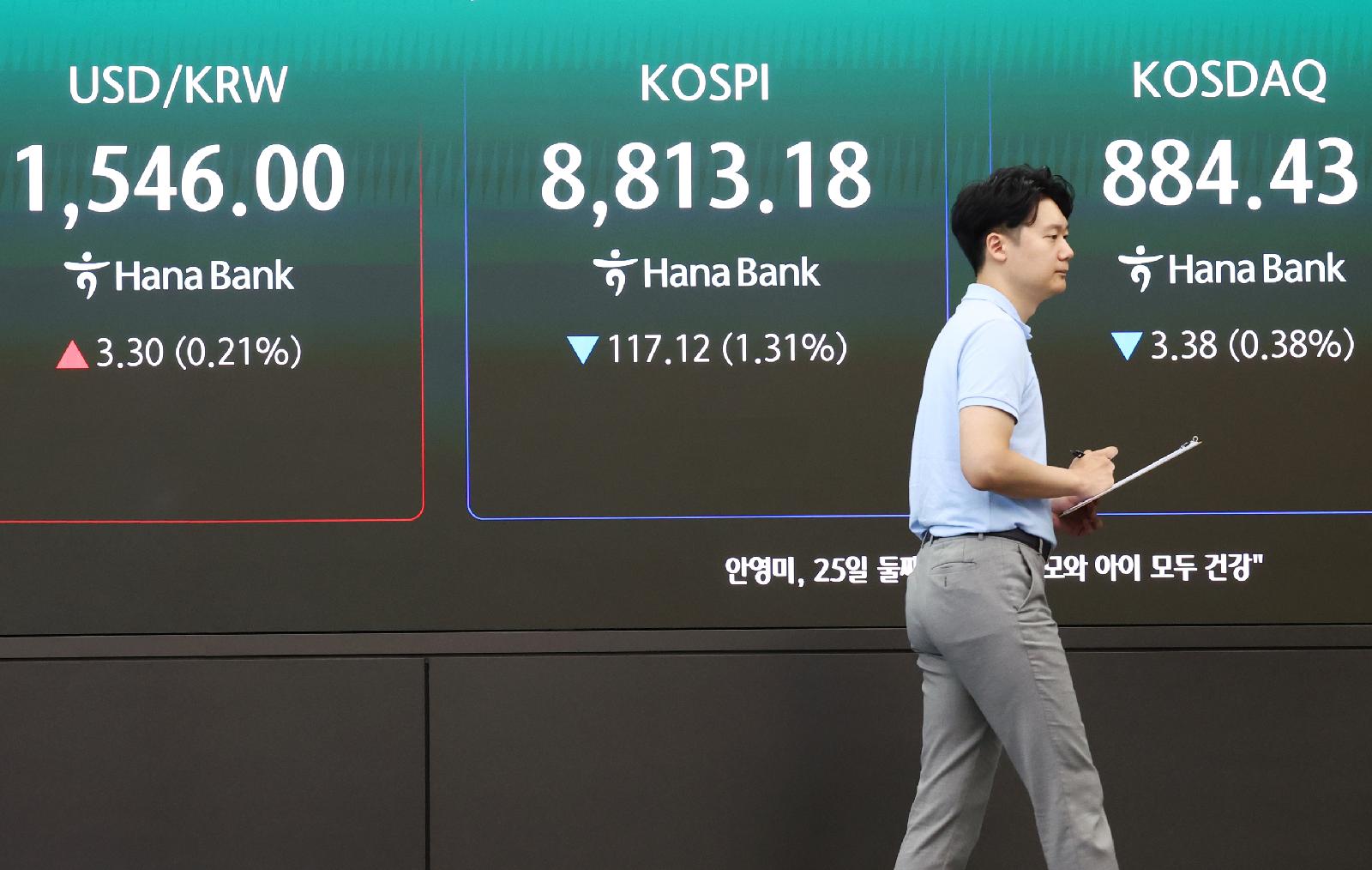
Korea’s stock settlement cycle is moving toward a shorter timetable. A roadmap scheduled for October will set out how investors can receive proceeds the day after selling shares, instead of waiting longer under the current structure. The change is designed to speed up cash circulation, reduce unsettled exposure and bring the domestic market closer to faster global settlement standards.
Proceeds Move One Day Earlier
Today’s stock trading process requires time after execution before final settlement is completed. Investors may sell shares, but usable cash is not immediately available until the settlement process is finished. The planned reduction shortens that waiting period by one day. This is not only a banking or deposit adjustment. Trade matching, clearing, broker reconciliation, custody, foreign exchange handling and institutional confirmations must all move faster.
The agenda gained momentum after President Lee Jae-myung placed capital market stability and normalization among key policy priorities in March. The shorter cycle is being treated as a market infrastructure reform as well as an investor convenience measure. If an investor sells 5 million won worth of shares, that 5 million won could become available one day earlier, giving more flexibility for reinvestment, debt repayment, IPO subscriptions or household cash needs.
Broker Systems Must Adjust
A one-day reduction changes the operating clock across the market. Brokerages must process client accounts, margin positions, collateral, securities lending and credit transactions more quickly. Clearing and settlement infrastructure also needs faster post-market processing. For foreign investors, won conversion, global custodian checks and time-zone differences require careful preparation.
The reform improves capital efficiency, but it also narrows the margin for operational error. Internal controls, system readiness and clear investor notices will become critical. Retail investors need precise guidance on when proceeds can be withdrawn and how margin or credit trading rules may change.
Retail Impact Is Direct
The most visible effect is faster access to cash. Investors switching stocks, preparing for IPO subscriptions or needing won liquidity will feel the change most clearly. At the market level, a shorter unsettled period can reduce counterparty risk and improve liquidity management.
The reform does not guarantee higher stock prices. Its core purpose is better infrastructure. The October roadmap will be the execution plan for a faster settlement regime, and its success will depend on balancing speed with operational stability.
Key points
- Korea is preparing a roadmap to shorten the stock trading settlement cycle in October. Once implemented, investors will be able to receive sale proceeds the day after selling shares. The reform will affect retail cash flow, brokerage operations, clearing, custody and foreign investor processes. It is also expected to strengthen confidence in the domestic cap
- Use the body and FAQ context before acting on this update.
- Compare with related issues inside the category hub.
FAQ
What does shortening the stock settlement cycle mean?
It means reducing the time between selling shares and receiving usable cash, so proceeds can be available the next day.
When will the roadmap be released?
The roadmap for shortening Korea’s stock settlement cycle is expected in October.
Who benefits most directly?
Retail investors benefit directly through faster access to cash for reinvestment, repayment, IPO subscriptions or other needs.
Latest stories
Golden Cross Stocks Jusung Corporation and Bistos Draw Attention in Korea
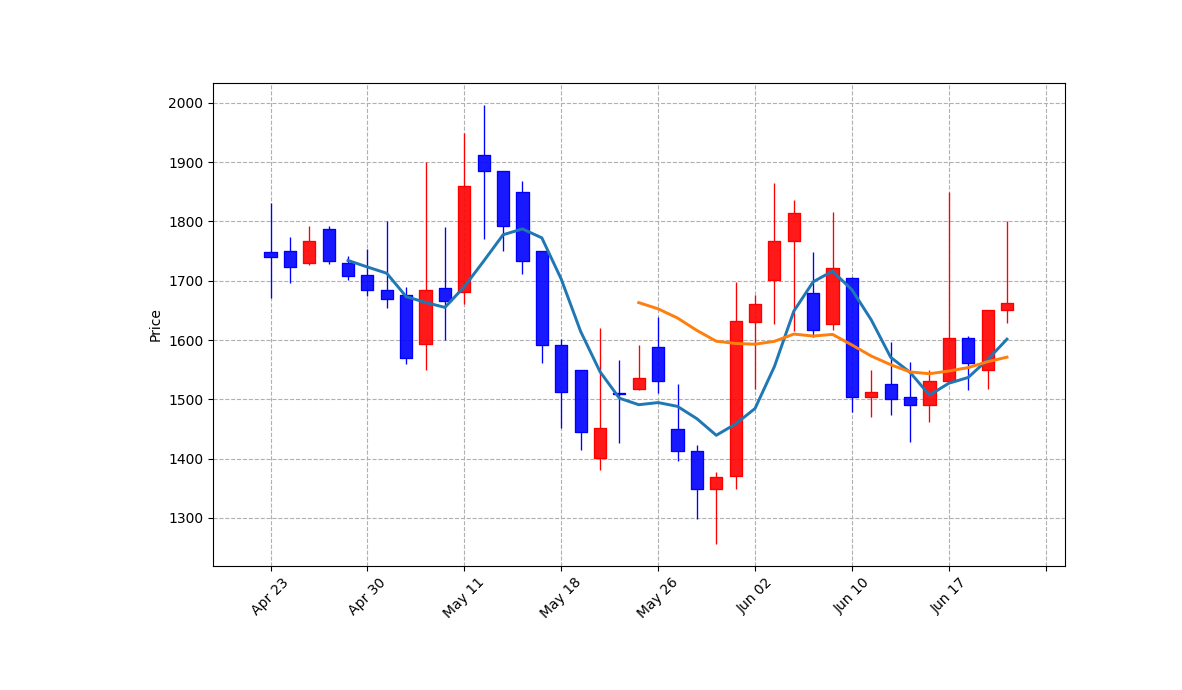
Jusung Corporation and Bistos have been identified as golden cross breakout stocks in the Korean market. A golden cross signals that short-term moving averages have moved above longer trend lines. The signal can improve sentiment, but trading volume, filings and company-specific momentum still matter.
MSCI Developed-Market Gate Looms as Kospi 9000 Sets Up Korea’s 10000 Test
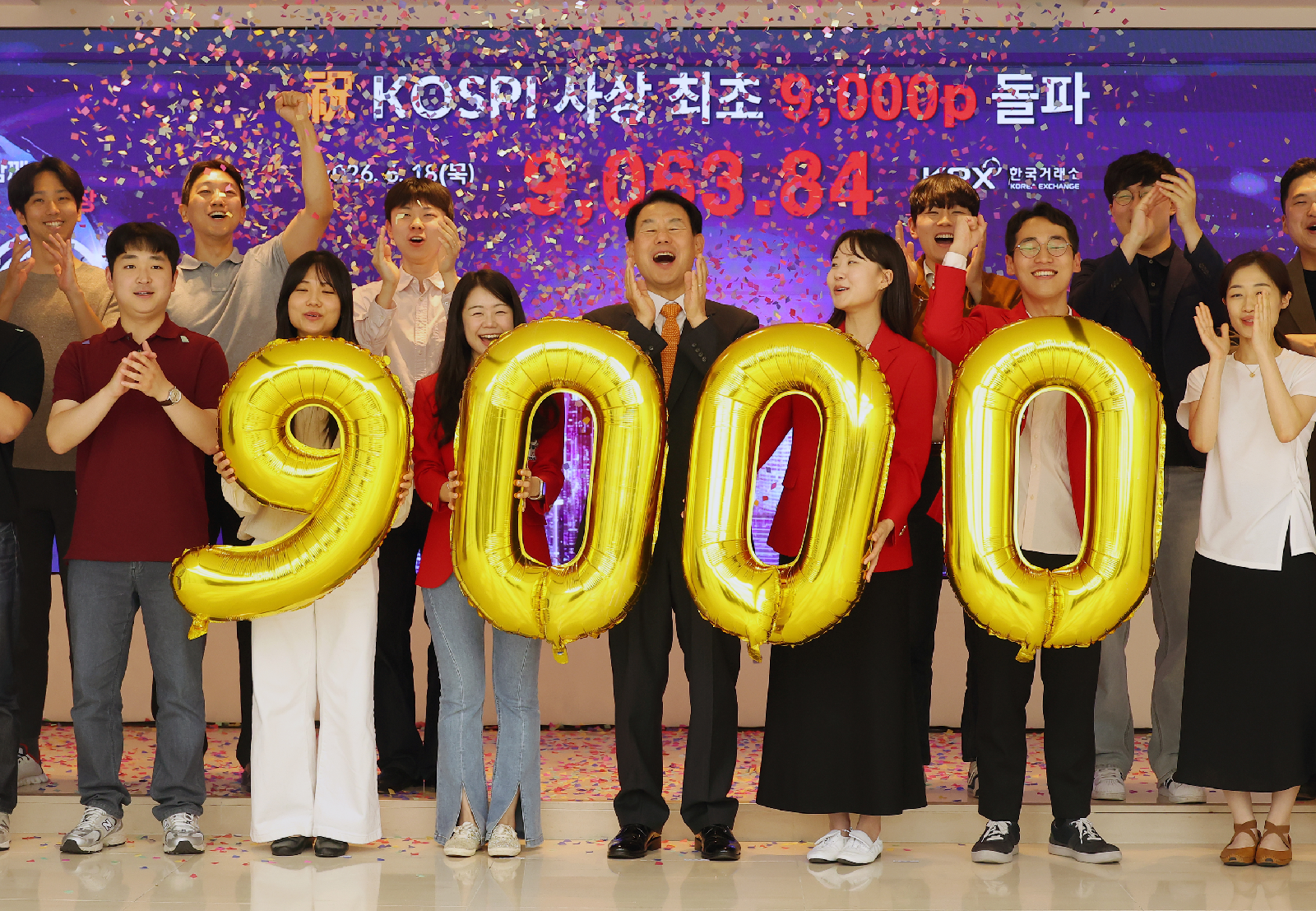
The Kospi has crossed 9000, but the bigger market question is whether Korea can move beyond emerging-market treatment in MSCI’s framework. The index needs roughly 11.1% more to reach 10000. Currency access, settlement rules, dividend processes and English disclosure are central to the next rerating.
Semiconductor Stocks Face Key Week as SK Hynix ADR Hopes and Micron Earnings Set the Tone
Korean equities are focused on whether semiconductor stocks can extend their rally. SK Hynix’s expected U.S. ADR approval and Micron’s June 24 earnings are the immediate catalysts. Korea’s MSCI inclusion debate may also influence foreign flows and the valuation of won-denominated assets.

Coinone Eyes Stocks Inside Crypto Exchange With 80 Billion Won Alliance Plan
Coinone is preparing to broaden its crypto exchange into a stock-investing touchpoint. CEO Cha Myung-hun, a white-hat hacker founder who also works directly on AI coding, is targeting a stable double-digit trading share this year. The exchange also aims to reach 1 million monthly users by year-end.

Penny Stock Delisting Risk Hits 219 Korean Firms as Rule Nears
Korea’s penny stock market is facing a major test as a new delisting rule tied to shares below 1,000 won approaches. The risk group totals 219 companies, including 148 Kosdaq and 42 Kospi stocks. Up to 8 trillion won in market value could be affected, raising concern among retail investors.