KOSDAQ delisting drive accelerates as about 50 exits loom this year
KOSDAQ is moving into a sharper cleanup phase in its 30th year. Companies failing to meet market-capitalization requirements are the main focus. Around 50 firms may be delisted before year-end. Investors in illiquid and low-cap names need to check trading suspension and forced exit risks.
KOSDAQ delisting risk is rising sharply this year. As the market marks its 30th anniversary, weak listed companies with poor financial resilience and market values below required thresholds are facing faster removal. Around 50 KOSDAQ companies may be delisted by the end of the year. The central test is market capitalization. Firms that remain below listing-maintenance standards can move into review, suspension and eventual delisting.
Quality control after three decades
KOSDAQ has become a key funding venue for growth and venture companies, but it has also carried firms with prolonged losses, thin liquidity and fragile governance. The 30-year milestone is shifting attention from market size to market quality. Leaving weak companies listed can deepen retail investor losses and damage confidence in stronger growth stocks. The current cleanup is therefore a structural effort to restore credibility across the market.
Low market-cap stocks face the closest scrutiny
The companies most exposed are those failing market-capitalization rules. A listed KOSDAQ firm must maintain a minimum market value and trading base after listing. Extended share-price declines and shrinking liquidity can push market cap below the required line, leading to watch-list status, trading suspension and delisting review. A possible total near 50 is not just a collection of isolated cases. It signals a broader repricing of the low-cap segment. Investors should review market cap, trading volume, audit opinions and capital impairment before adding risk.
Investor impact and outlook
Delisting does not always mean an immediate total loss, but trading suspensions and liquidation trading can create extreme volatility. Short-term trades in penny stocks and theme-driven names become especially risky once review procedures begin. For the market as a whole, removing weak companies can support valuation credibility over time. Capital is likely to move faster toward firms with visible earnings, cash flow, technology and governance. In this year’s KOSDAQ market, survival quality matters as much as upside.
Key points
- KOSDAQ is moving into a sharper cleanup phase in its 30th year. Companies failing to meet market-capitalization requirements are the main focus. Around 50 firms may be delisted before year-end. Investors in illiquid and low-cap names need to check trading suspension and forced exit risks.
- Use the body and FAQ context before acting on this update.
- Compare with related issues inside the category hub.
FAQ
How many KOSDAQ companies may be delisted this year?
Around 50 KOSDAQ-listed companies may face delisting this year, mainly due to market-capitalization shortfalls.
What is the key delisting trigger?
The main trigger is failure to meet market-capitalization requirements over the required period.
What should investors check?
Investors should check market cap, liquidity, audit opinions, capital impairment and possible trading suspension risk.
Latest stories
Memory ETF Frenzy Rides Samsung and SK Hynix to Outpace Nasdaq-100 QQQ
U.S.-listed memory ETFs have become a major AI infrastructure trade, delivering far stronger short-term performance than Nasdaq-100 ETF QQQ. Samsung Electronics, SK Hynix and Micron sit at the center of the HBM and DRAM supply chain. A leading DRAM ETF moved into the $20 billion asset range within just over two months. The trade offers precision exposure, bu
KOSDAQ Reclaims 900 as Samjeon-Nix Leverage Crowding Eases
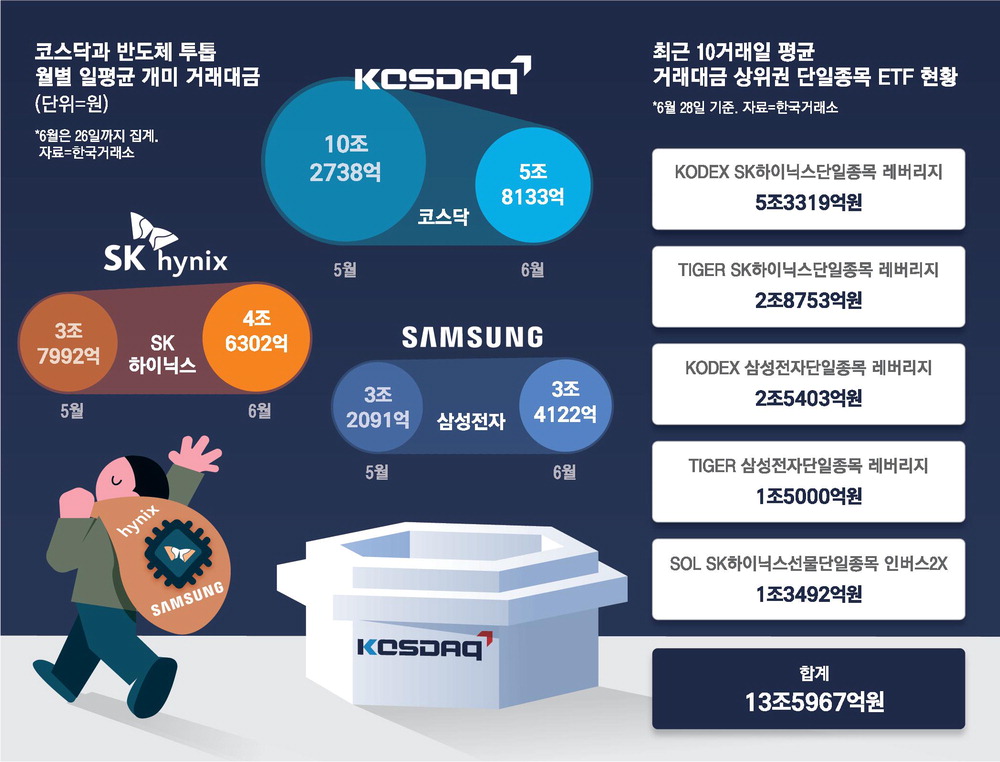
KOSDAQ regained relevance by moving back above 900. Funds that had been concentrated in Samsung Electronics, SK Hynix and a one-month-old Samjeon-Nix leveraged product spread into growth sectors. The buy-side sidecar showed renewed risk appetite, but leverage mechanics and KOSDAQ volatility remain key investor risks.
KOSPI Fear Index Near Record High as Middle East Tension Hits Chip Stocks
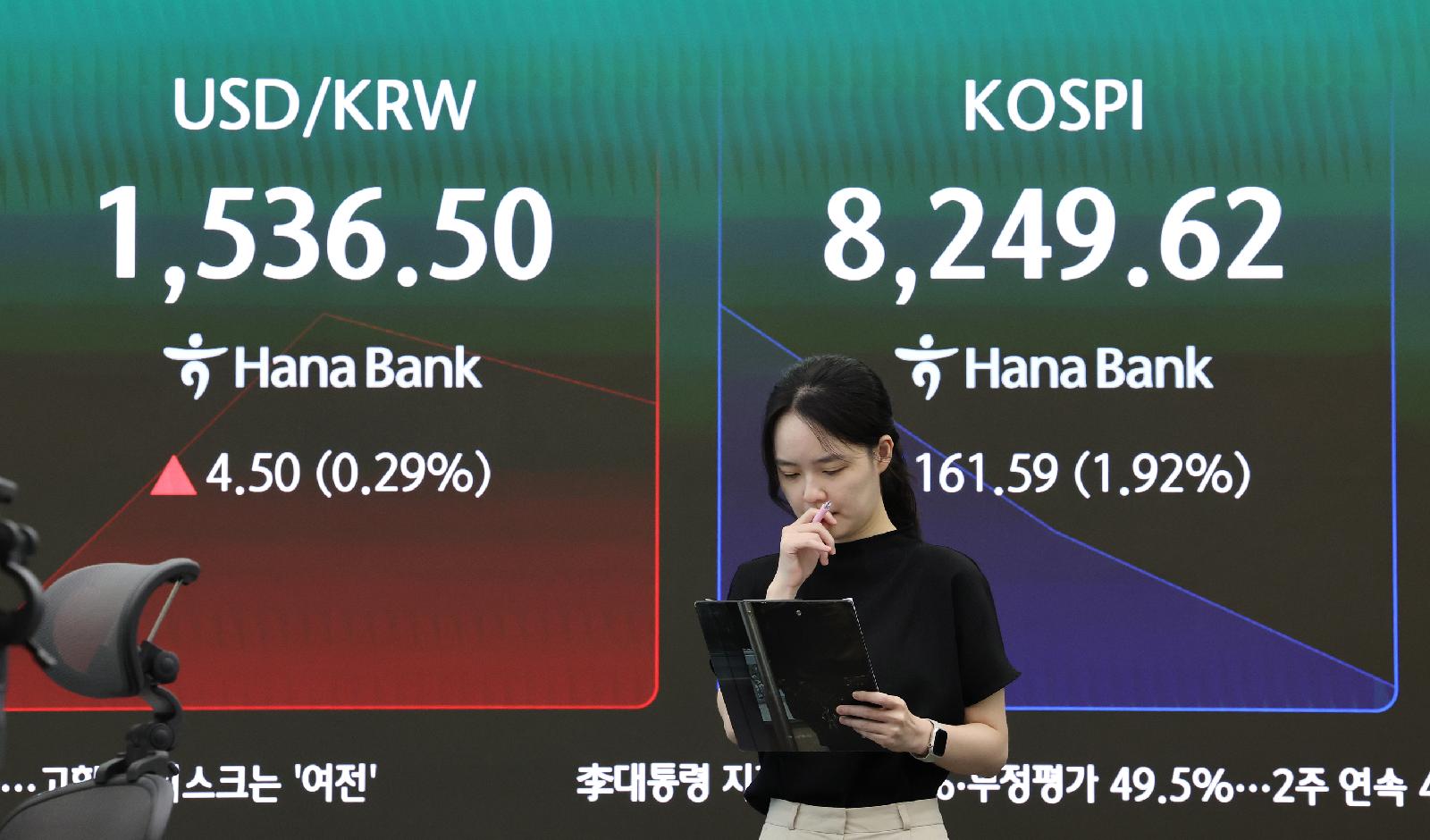
The KOSPI 200 Volatility Index, known as Korea’s fear index, climbed to a record-level intraday high on the 29th. Rising U.S.-Iran tension weakened risk appetite, while semiconductor shares faced fading investor confidence. The index rose more than 5%, signaling sharper short-term stress in Korean equities.
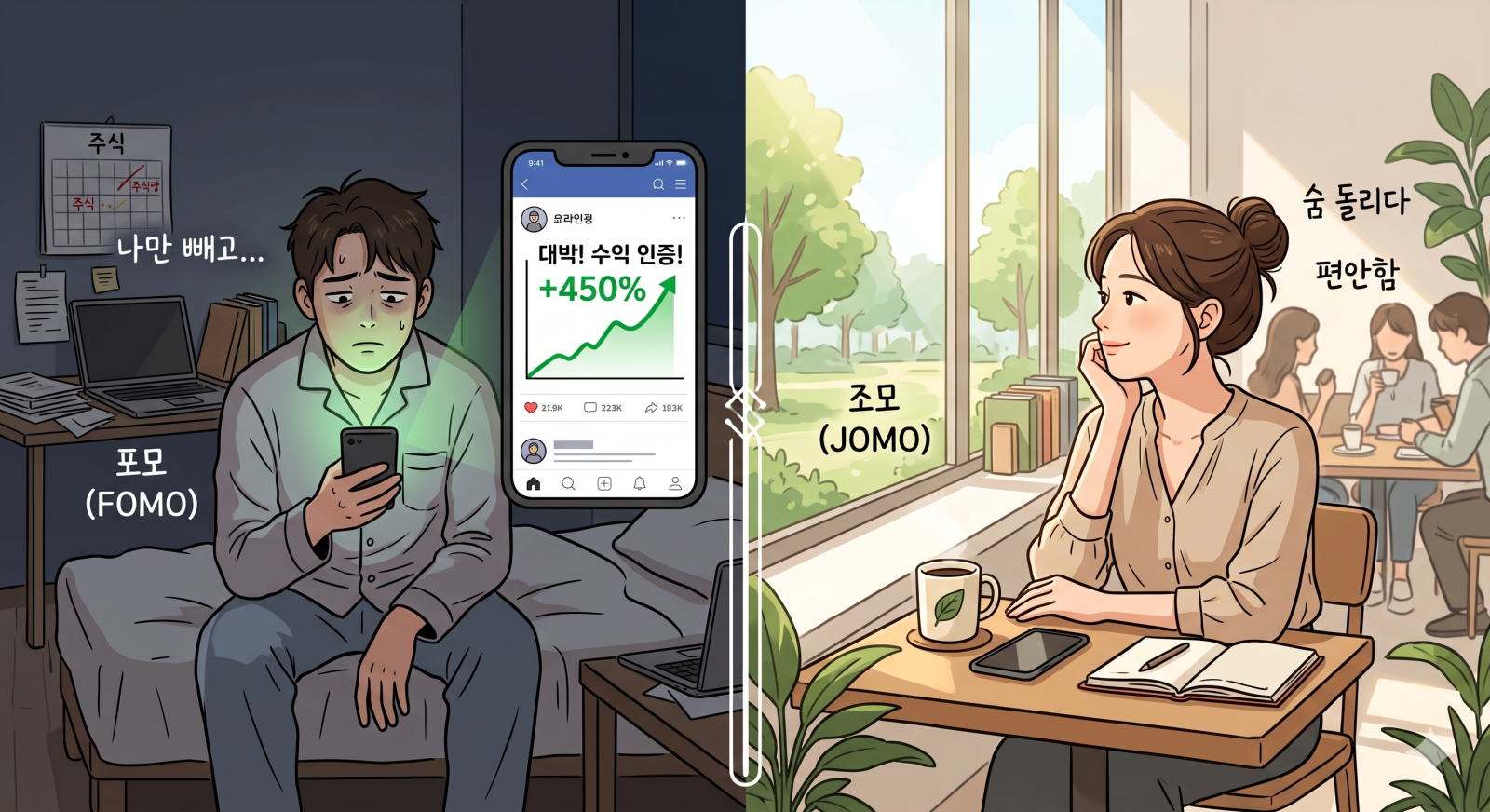
FOMO Fatigue Deepens as Investors Miss Samsung Electronics and SK Hynix Rally
FOMO is spreading as rising stocks, property prices and AI adoption make people feel left behind. Online mentions and searches for FOMO peaked in May 2026 across the period from 2025 to June 2026. As fatigue builds, some investors and workers are using JOMO to reduce comparison-driven anxiety.
KOSPI’s 9,000 Test Puts Inflation, Jobs, Foreign Selling and AI Costs in Focus
The KOSPI approached 9,000 on June 25, but volatility rose as AI infrastructure costs and foreign selling hit large-cap sentiment. Micron’s strong results supported expectations for Samsung Electronics and memory chips. The week starting June 29 puts inflation, jobs, rates and the won-dollar exchange rate at the center. Investors should watch futures flows,
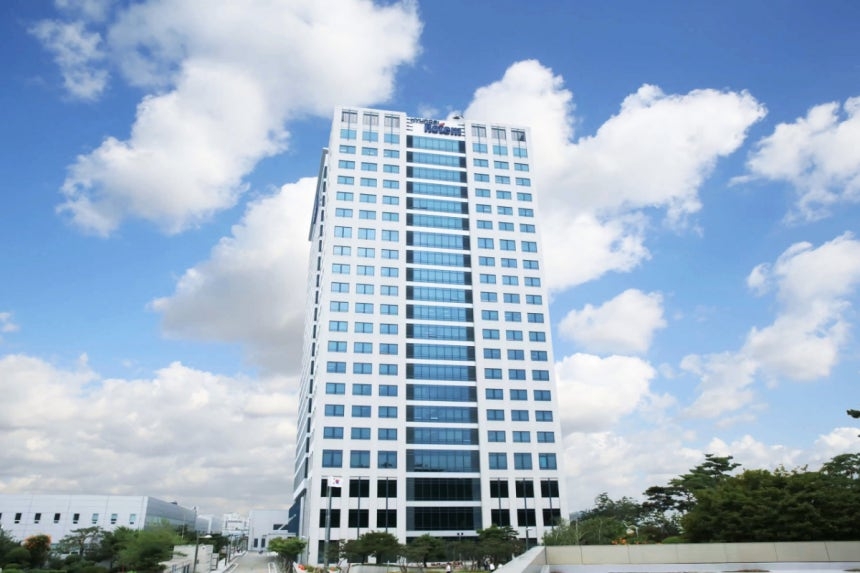
Hyundai Rotem Valuation Lowest Among Korea Defense Five as Q2 Meets Views
Hyundai Rotem is drawing attention for having the lowest relative valuation among Korea’s five leading defense companies. Second-quarter results are expected to match market expectations. The existing target-price reference is 283,000 won, with orders, delivery timing and margins driving the investment case.
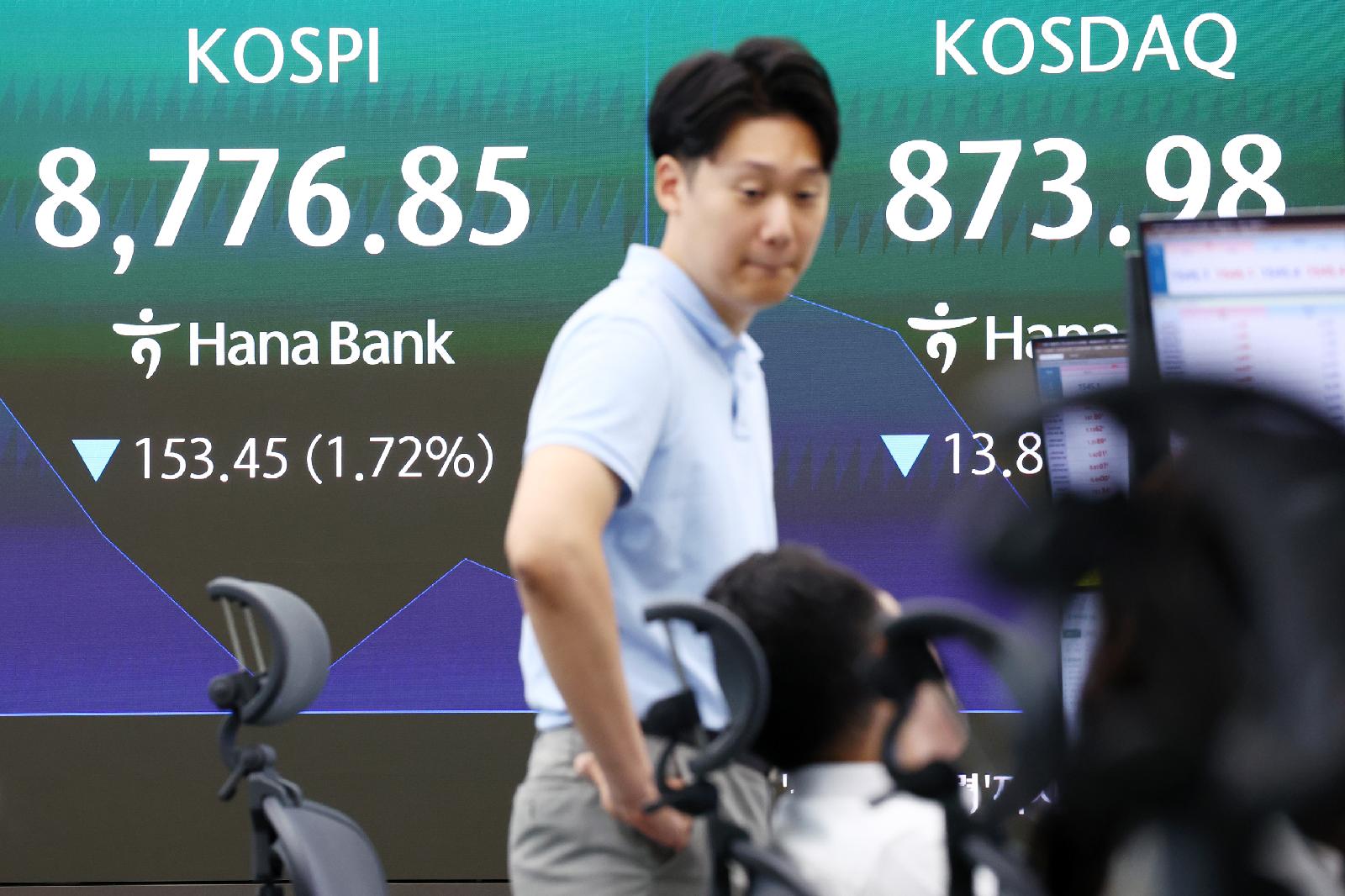
KOSPI Plunges More Than 8%, Circuit Breaker Halts Main Board Trading
The KOSPI dropped more than 8% intraday, forcing a temporary halt in main board trading. A sell-side sidecar had already been activated earlier in the session before the decline deepened. The move sharply raised volatility across Korean equities and index-linked products. Market attention now turns to whether institutional and foreign selling eases after tra
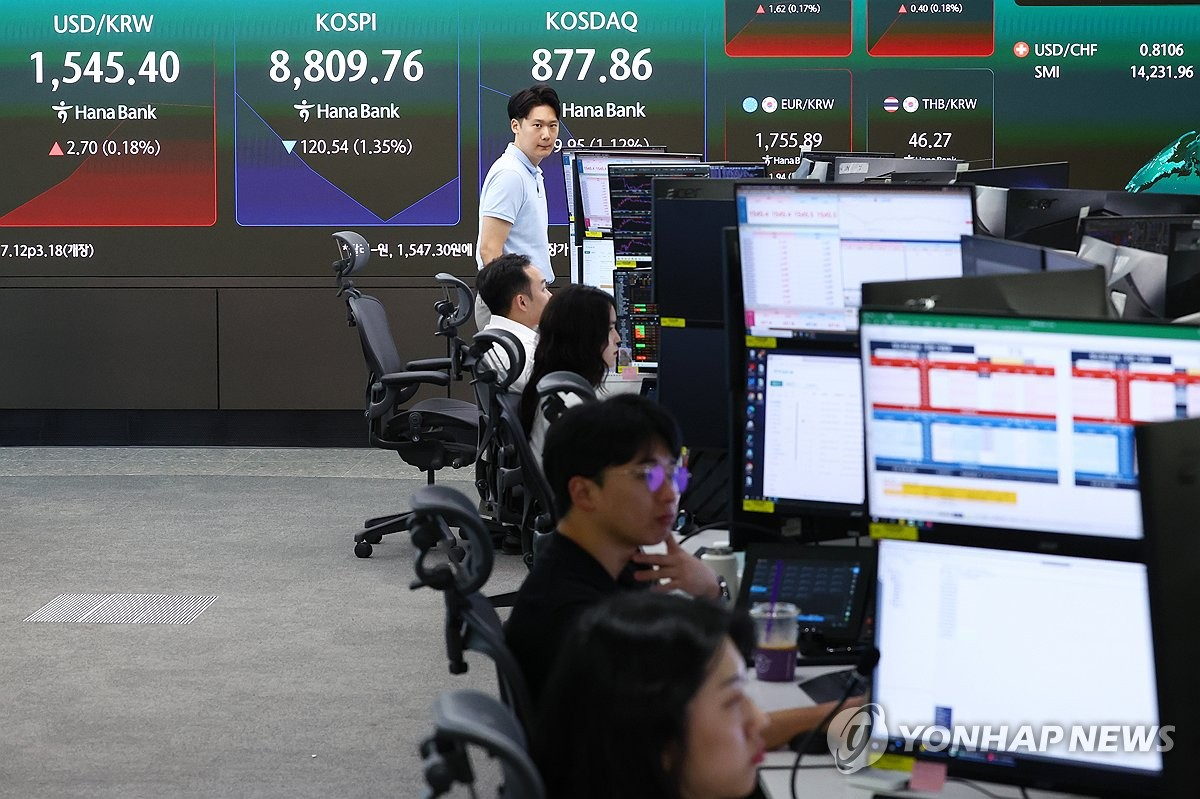
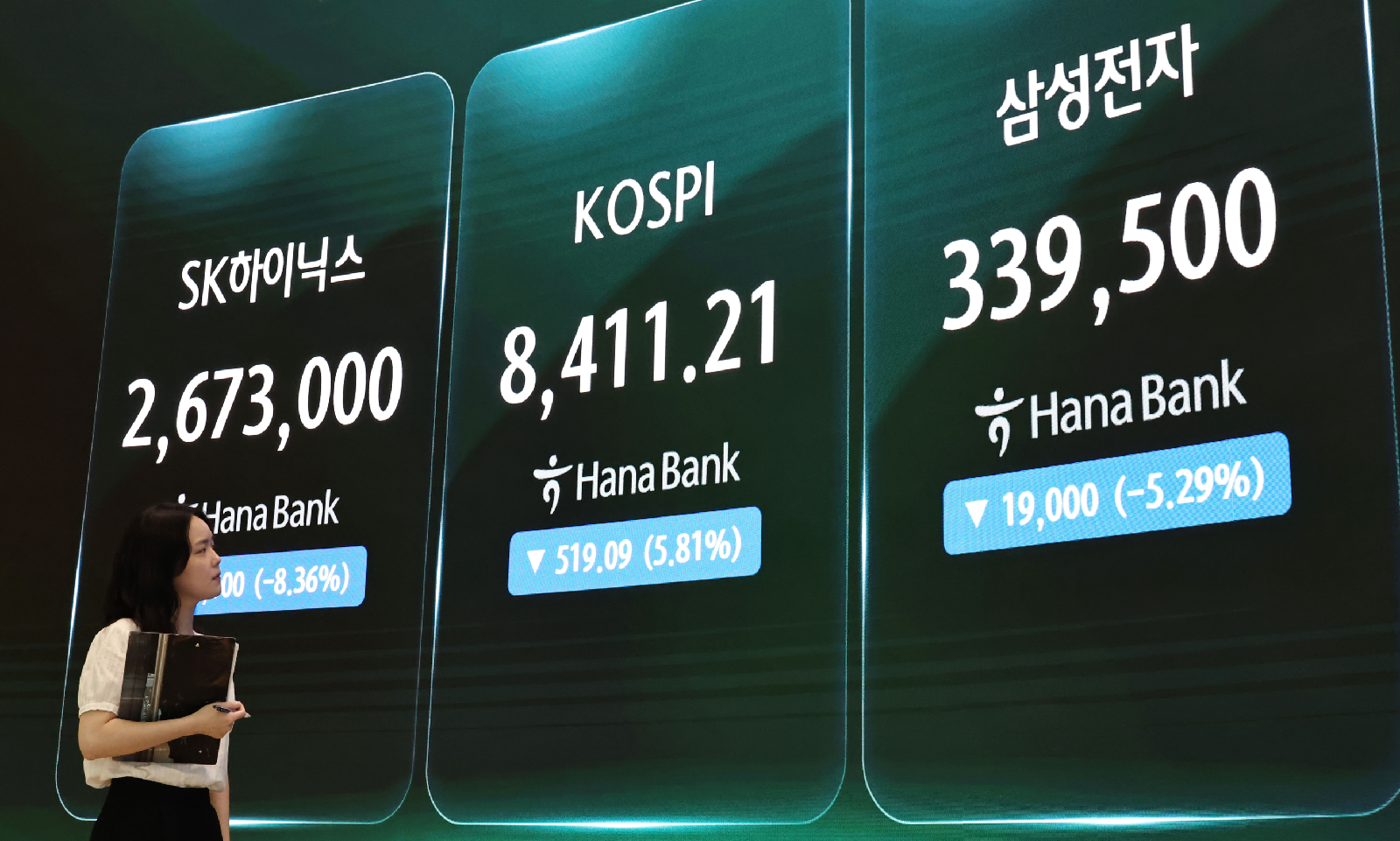
KOSPI tumbles 5.81% to 8,411.21 as AI investment slowdown fears hit Seoul stocks
The KOSPI closed at 8,411.21 on the 26th, down 519.09 points from the previous session. A 5.81% drop reflected rising risk aversion tied to concerns that the AI investment cycle may slow. Large-cap technology and growth stocks led the selloff. Investors are now focused on earnings guidance and foreign fund flows.