Korean Auto Stocks Lag as Semiconductor Rally Draws AI-Driven Capital
The center of Korea’s stock market rally has shifted decisively toward semiconductors. AI investment and HBM demand are pulling capital into chip leaders, while auto stocks remain sidelined. Earnings slowdown concerns, labor negotiations and cost pressures continue to limit a rebound.
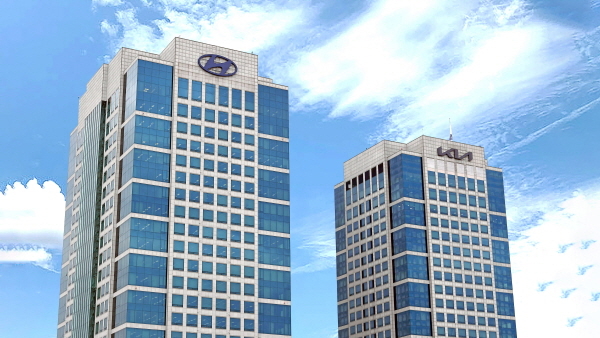
Korea’s equity rally is being powered by semiconductors. Expectations for artificial intelligence investment and high-bandwidth memory demand have drawn funds into major chip stocks, while auto shares have failed to keep pace. The weakness is not just a short-term pullback. It reflects a combination of weaker fund flows, earnings concerns and labor-related uncertainty.
Capital Concentrates in AI Chips
The dominant market theme is AI semiconductors. Chipmakers have three clear narratives: data center spending, server memory demand and expanded HBM supply. Foreign and institutional investors are responding first to sectors where earnings recovery looks more visible. Auto stocks, despite being major exporters, are losing priority as investors focus on businesses with clearer AI-linked upside.
Three Pressures on Auto Shares
The first issue is concern that earnings momentum has peaked. Automakers benefited from a weak won, premium model sales and strong pricing power, but those tailwinds may soften. The second is labor risk, as wage negotiations and possible production disruption can weigh on near-term valuations. The third is the pace of electric vehicle transition, where subsidies, battery prices, charging infrastructure and overseas regulation all affect margins.
What Investors Need to Watch
A stronger rerating of auto stocks requires three confirmations: resilient margins, labor talks without production disruption and profitable growth in EV and hybrid sales. For Korean retail investors, auto shares remain important large-cap holdings, so underperformance directly affects portfolio returns. In the near term, the semiconductor-led market may continue, but auto valuations have already fallen. If earnings concerns ease, the sector’s discount could again attract attention.
Key points
- The center of Korea’s stock market rally has shifted decisively toward semiconductors. AI investment and HBM demand are pulling capital into chip leaders, while auto stocks remain sidelined. Earnings slowdown concerns, labor negotiations and cost pressures continue to limit a rebound.
- Use the body and FAQ context before acting on this update.
- Compare with related issues inside the category hub.
FAQ
Why are Korean auto stocks lagging semiconductor stocks?
Capital is concentrating in AI semiconductor names, while auto stocks face earnings slowdown concerns, labor negotiations and uncertainty in EV demand.
Are auto stocks undervalued?
Valuations have become less demanding, but a strong rebound requires clearer evidence on earnings and labor stability.
What could trigger a rebound in auto stocks?
Margin resilience, smooth labor negotiations and stronger EV or hybrid profitability could improve investor confidence.
Latest stories

FOMO Fatigue Deepens as Investors Miss Samsung Electronics and SK Hynix Rally
FOMO is spreading as rising stocks, property prices and AI adoption make people feel left behind. Online mentions and searches for FOMO peaked in May 2026 across the period from 2025 to June 2026. As fatigue builds, some investors and workers are using JOMO to reduce comparison-driven anxiety.
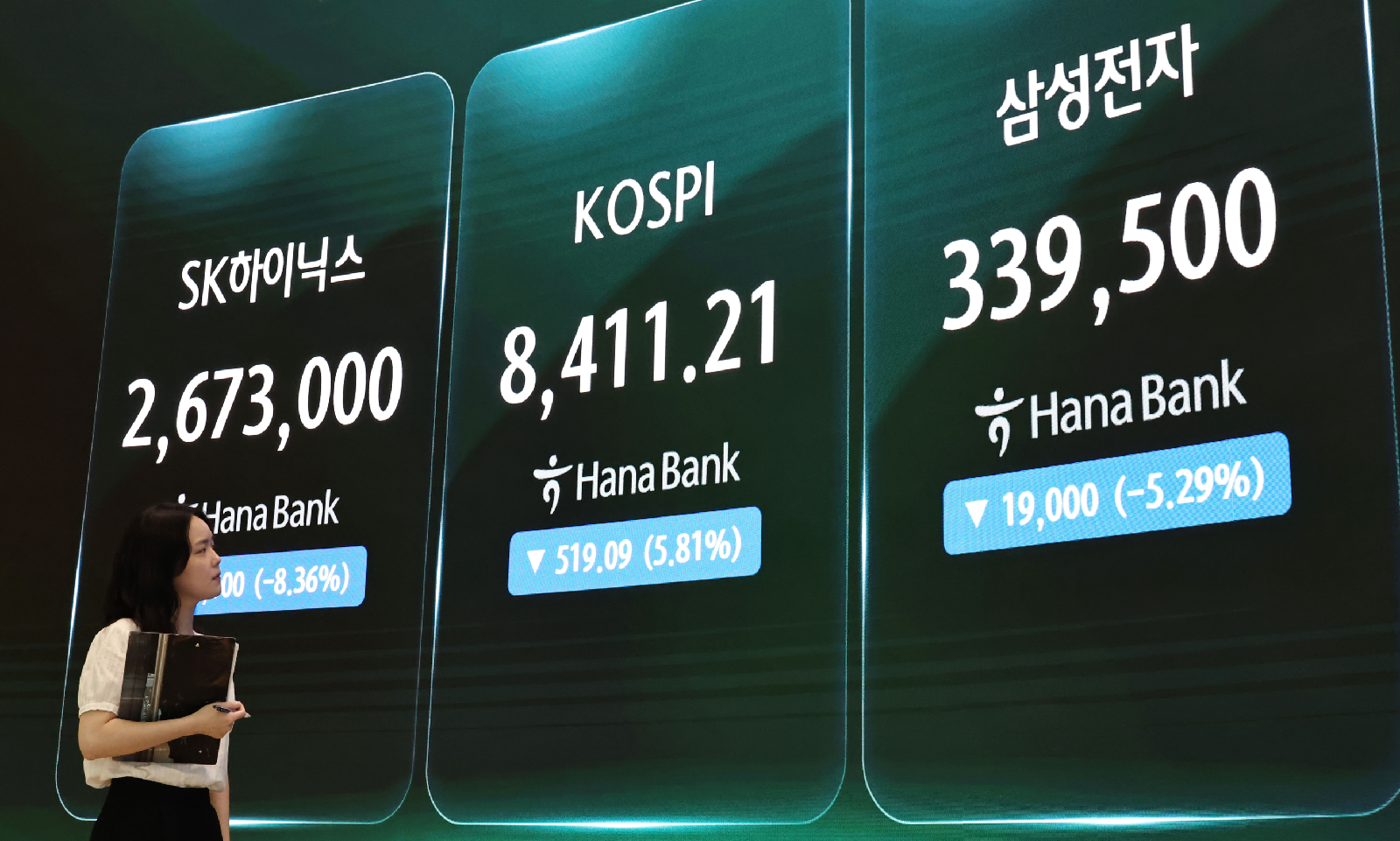
KOSPI’s 9,000 Test Puts Inflation, Jobs, Foreign Selling and AI Costs in Focus
The KOSPI approached 9,000 on June 25, but volatility rose as AI infrastructure costs and foreign selling hit large-cap sentiment. Micron’s strong results supported expectations for Samsung Electronics and memory chips. The week starting June 29 puts inflation, jobs, rates and the won-dollar exchange rate at the center. Investors should watch futures flows,
Hyundai Rotem Valuation Lowest Among Korea Defense Five as Q2 Meets Views
Hyundai Rotem is drawing attention for having the lowest relative valuation among Korea’s five leading defense companies. Second-quarter results are expected to match market expectations. The existing target-price reference is 283,000 won, with orders, delivery timing and margins driving the investment case.
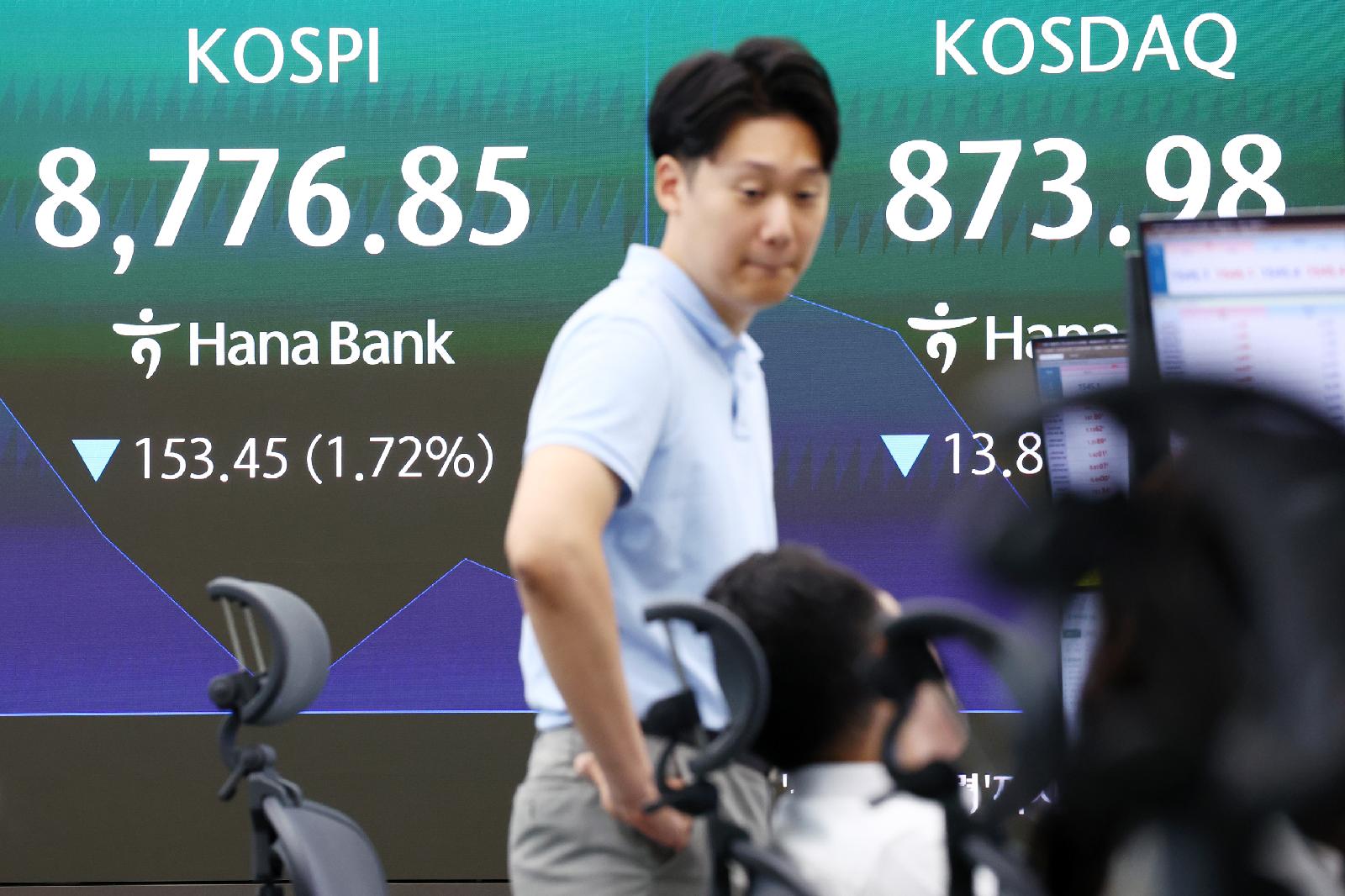
KOSPI Plunges More Than 8%, Circuit Breaker Halts Main Board Trading
The KOSPI dropped more than 8% intraday, forcing a temporary halt in main board trading. A sell-side sidecar had already been activated earlier in the session before the decline deepened. The move sharply raised volatility across Korean equities and index-linked products. Market attention now turns to whether institutional and foreign selling eases after tra
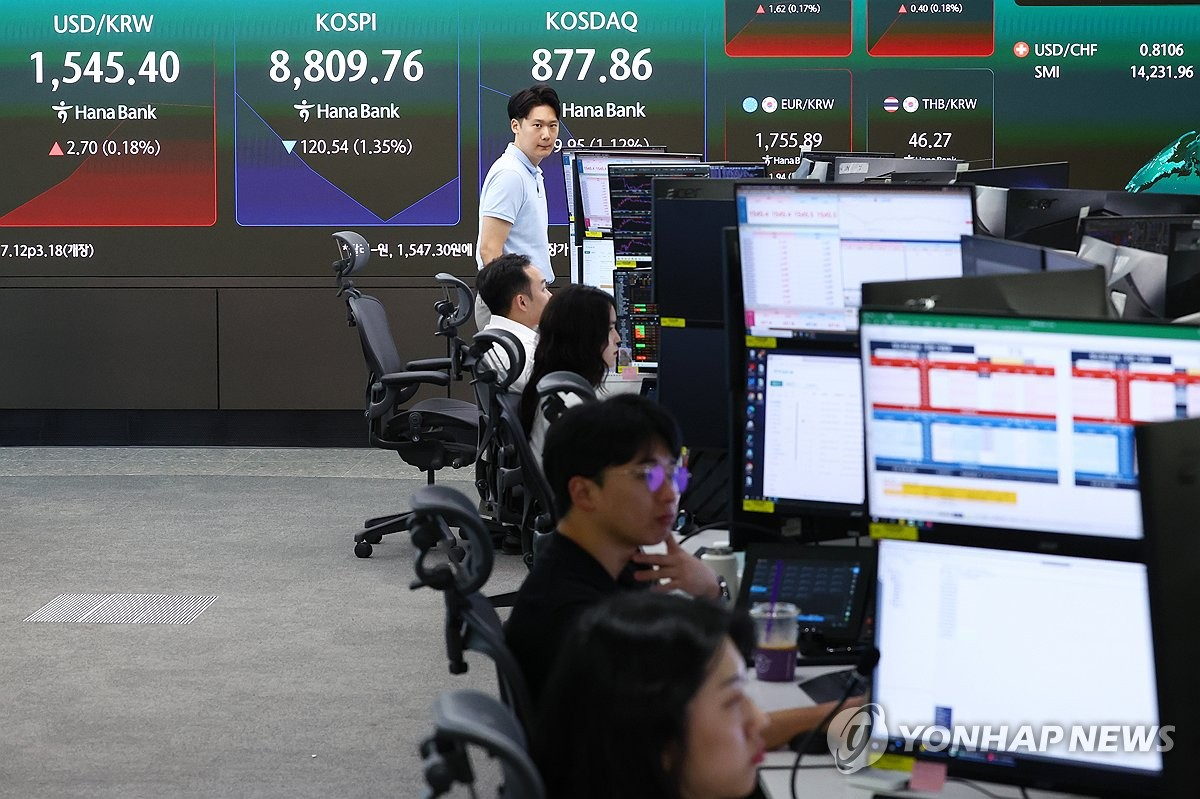
KOSPI tumbles 5.81% to 8,411.21 as AI investment slowdown fears hit Seoul stocks
The KOSPI closed at 8,411.21 on the 26th, down 519.09 points from the previous session. A 5.81% drop reflected rising risk aversion tied to concerns that the AI investment cycle may slow. Large-cap technology and growth stocks led the selloff. Investors are now focused on earnings guidance and foreign fund flows.
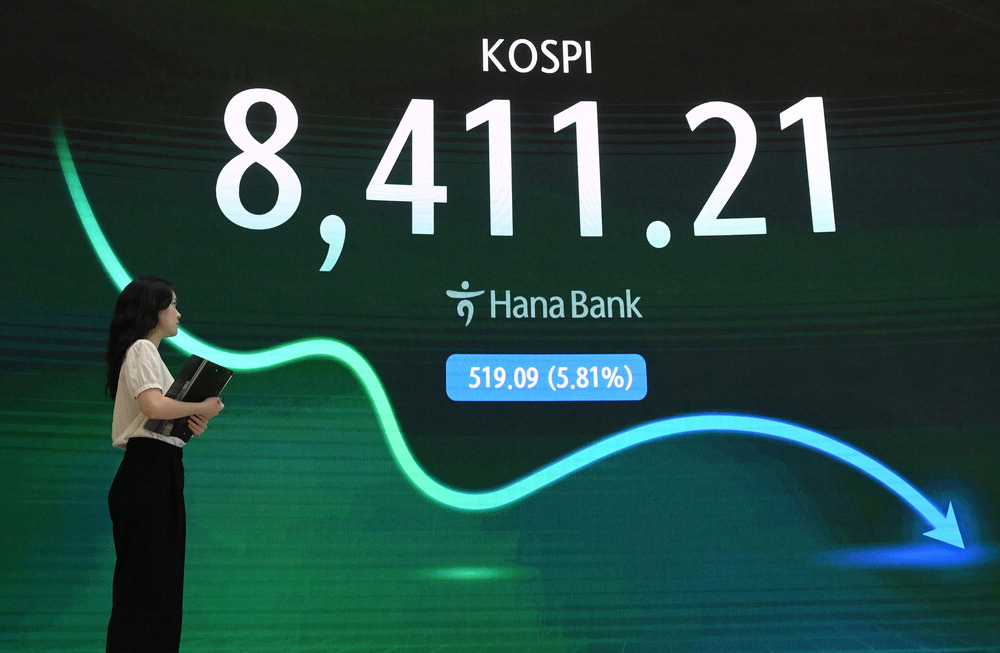
KOSPI retreats to 8,400 as foreign and institutional selling revives circuit-breaker fears
The KOSPI retreated to the 8,400 level on the 26th under simultaneous selling by foreign and institutional investors. The previous day’s gain of more than 5%, fueled by Micron’s surprise earnings, quickly lost momentum. Semiconductor optimism remained, but profit-taking and risk aversion revived circuit-breaker concerns.
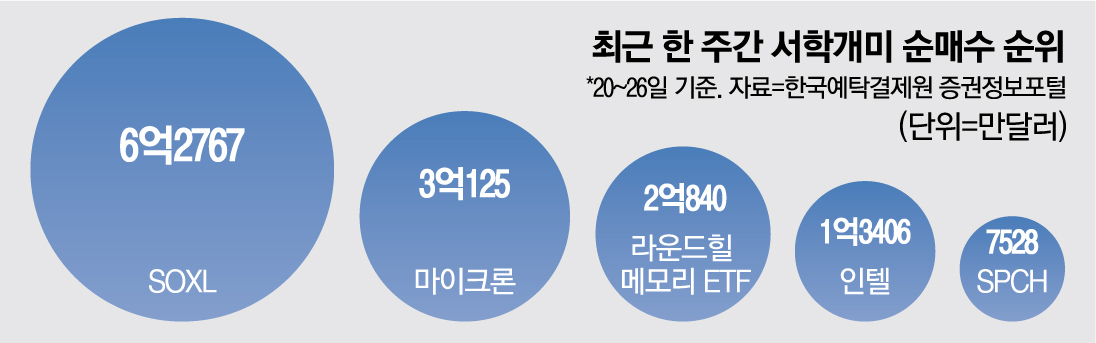
Korean Retail Investors Rush Into 3x Chip ETFs and Micron
Korean overseas-stock investors used the latest semiconductor pullback to build risk-on positions. Capital flowed into 3x leveraged chip ETFs, Micron and memory-focused funds. Currency swings and leverage decay remain key risks for won-based investors.
Korean Retail Investors Exit SpaceX Gains and Return to 3x AI Chip Bets
Korean retail money is rotating from space growth exposure back into AI semiconductors. About $70 million in SpaceX-related holdings was sold, while weekly buying of SOXL reached around 1 trillion won. The move highlights renewed appetite for high-risk leveraged chip trades.