Mitsubishi UFJ Takes Market-Cap Crown as Kioxia Falls 13% in Japan’s Rate Shift
Japan’s equity leadership has shifted from semiconductors to banks. A 1% BOJ policy rate and a 99.6% probability of another hike this year lifted expectations for Mitsubishi UFJ’s margins and earnings. Shareholder returns and active fiscal policy added support, while Kioxia’s 13% drop exposed memory-cycle sensitivity.
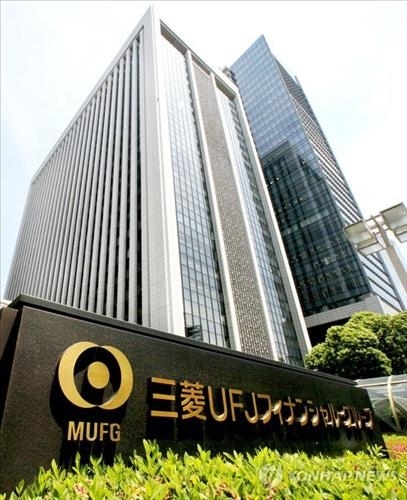
Mitsubishi UFJ Financial Group has taken Japan’s market-cap crown for the first time. The Bank of Japan’s move to a 1% policy rate and expectations for another hike this year have reset the earnings case for banks, while semiconductor shares lost momentum. Kioxia dropped 13% in a single session, exposing the pressure from memory pricing, inventories and valuation risk.
Rate Shift
Markets now price a 99.6% chance of another rate increase before year-end. For Mitsubishi UFJ, higher rates translate into stronger net interest margins, better returns on assets and firmer profit forecasts. Net income is expected to exceed record levels for a fourth straight year. Buybacks and dividend growth have become central to the rerating.
Korea Angle
For Korean investors, the move broadens the Japan equity case beyond technology into banks and dividend stocks. Yen assets depend on both share performance and the won-yen exchange rate. As a simple translation, 1 trillion yen equals about 9 trillion won if 100 yen is assumed at 900 won. Overseas stock taxes, dividend withholding and currency costs determine the final return. The Kioxia selloff also matters for Samsung Electronics and SK hynix investors because memory-cycle signals can spill into Korean chip valuations.
Key points
- Japan’s equity leadership has shifted from semiconductors to banks. A 1% BOJ policy rate and a 99.6% probability of another hike this year lifted expectations for Mitsubishi UFJ’s margins and earnings. Shareholder returns and active fiscal policy added support, while Kioxia’s 13% drop exposed memory-cycle sensitivity.
- Use the body and FAQ context before acting on this update.
- Compare with related issues inside the category hub.
FAQ
Why did Mitsubishi UFJ become the market-cap leader?
The 1% BOJ rate, expectations for another hike, stronger net interest margins, shareholder returns and record-profit forecasts supported the rerating.
Why did Kioxia fall 13%?
Memory-chip sentiment weakened as investors focused on NAND pricing, inventories, capital spending and valuation pressure.
What should Korean investors watch?
They should track Japan share prices, the won-yen exchange rate, overseas stock taxes, dividend withholding and links to Korean semiconductor shares.
Latest stories
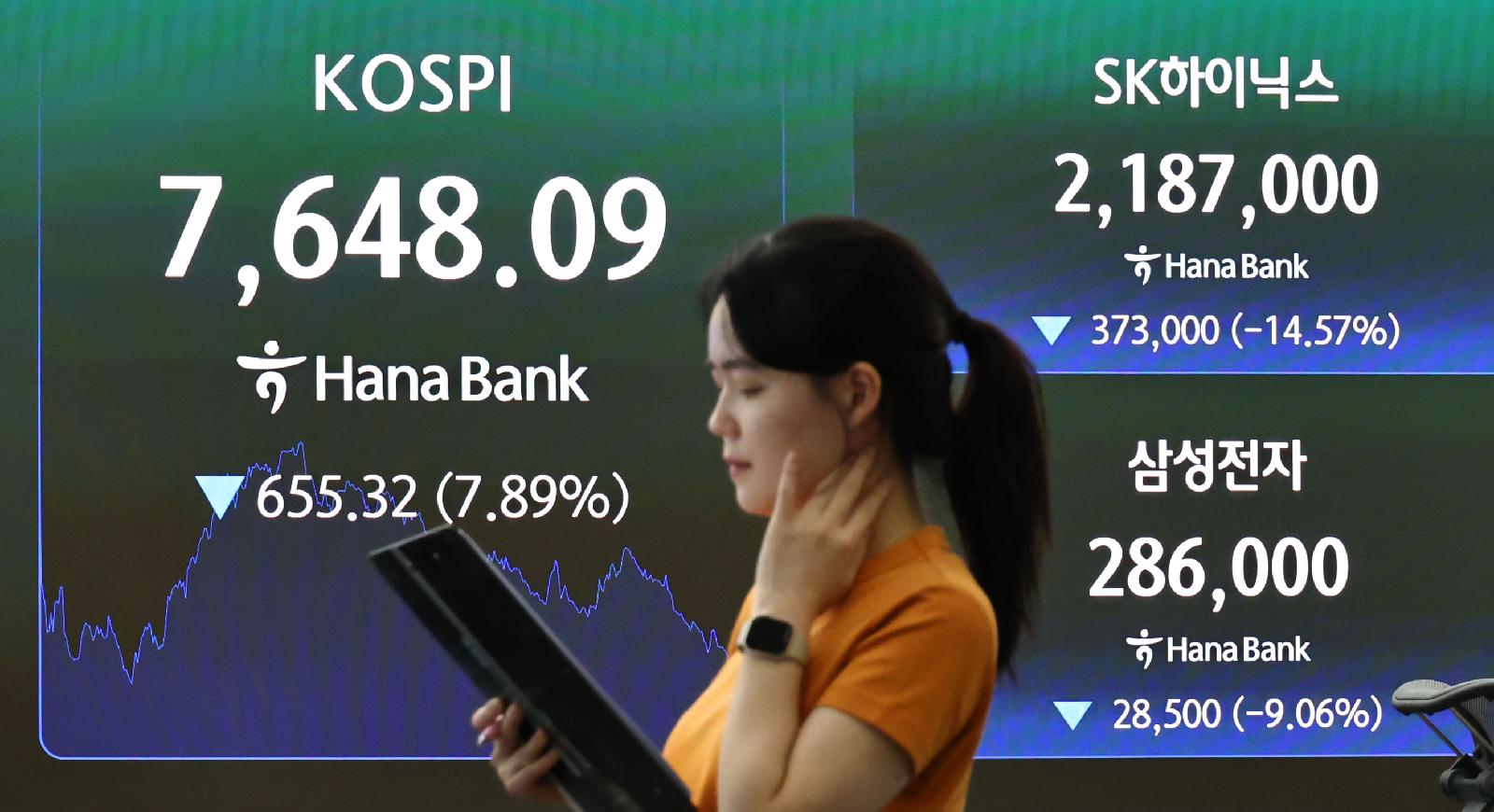
Meta neocloud review shakes chip stocks as SK Hynix buyers watch rebound
Meta’s review of a neocloud business has shaken Korean semiconductor sentiment. Investors who bought SK Hynix near 290,000 won are watching for a rebound, while Samsung Electronics holders are reassessing memory demand. The key question is whether idle compute sales slow new server investment or coexist with AI infrastructure expansion.
RWA Tokenization Gains Ground as 68% of Asian Investors Already Hold Assets
RWA tokenization is no longer a fringe digital-asset theme in Asia. Sixty-eight percent of high-net-worth and professional investors already hold tokenized real-world assets. About seven in ten are also willing to invest in tokenized stocks, raising pressure on market infrastructure and regulation.

Semiconductor Stocks Brake as Meta Cloud Plan Revives AI Peak-Out Fear
Meta's cloud business review triggered a reassessment of global semiconductor valuations. The key issue is whether available data-center compute points to slower AI server investment. GPU, HBM, foundry and advanced packaging names came under pressure, with Samsung Electronics and SK hynix central to Korea's market response.
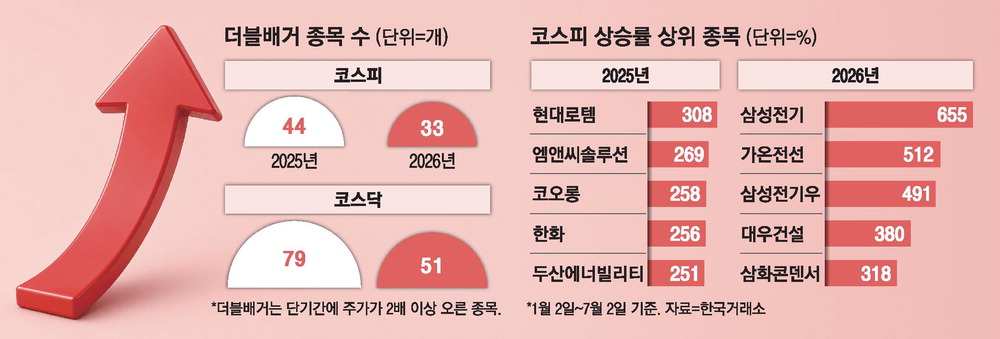
AI concentration cuts double-bagger stocks by 32% as Korea’s rally narrows
Korea’s 2026 stock rally has become narrower. The number of double-bagger stocks, or shares that rose more than 100%, is down 32% from the same period last year. Buying has centered on AI semiconductors, power infrastructure and data-center supply chains, leaving many non-AI sectors behind. Investors now need to weigh earnings visibility, valuation and won-b

KOSDAQ delisting drive accelerates as about 50 exits loom this year
KOSDAQ is moving into a sharper cleanup phase in its 30th year. Companies failing to meet market-capitalization requirements are the main focus. Around 50 firms may be delisted before year-end. Investors in illiquid and low-cap names need to check trading suspension and forced exit risks.
Semiconductor Stocks Slide as Meta AI Spending Debate Hits Market
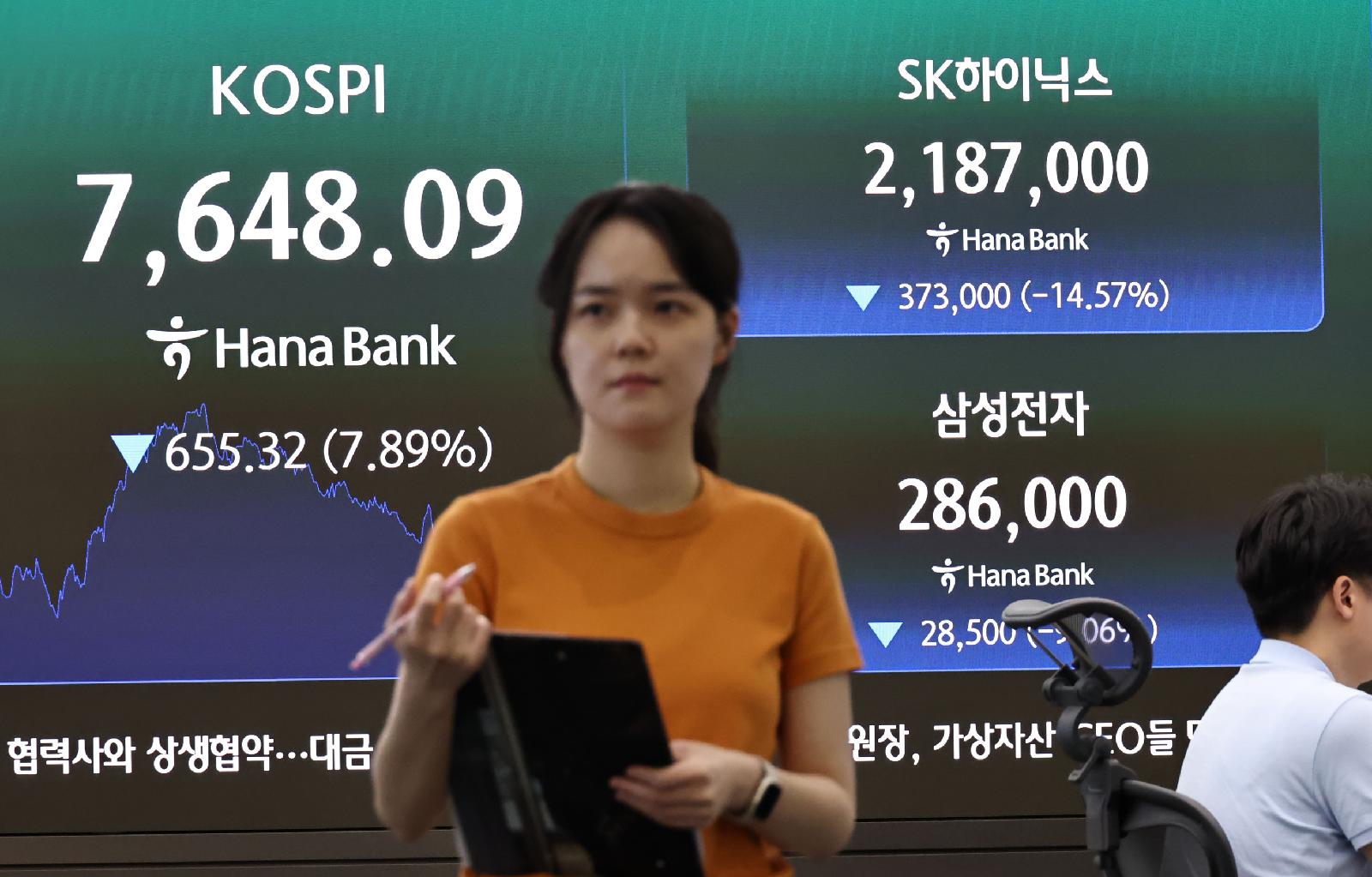
Semiconductor stocks fell sharply as Meta’s data-center and cloud ambitions revived concern that AI infrastructure spending may be running ahead of returns. The Kospi dropped 7% to close at 7,648, while SK Hynix moved toward its steepest decline in 17 years. Investors are now reassessing AI demand, memory prices and big-tech capital expenditure.
Elite Investors Rotate From Samsung Electronics to Preferred Shares on Discount Bet
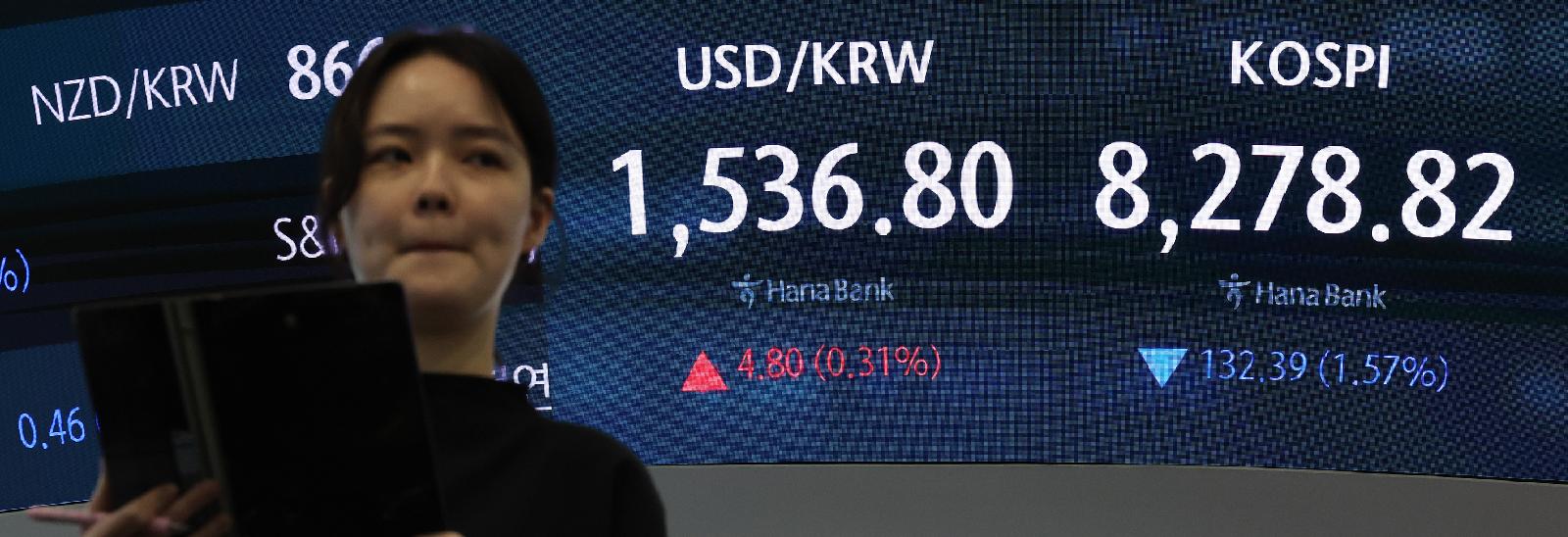
The morning flow on June 29 showed a clear rotation out of Samsung Electronics common shares and into Samsung Electronics preferred shares. SK Hynix, Samsung Electronics preferred shares and Square led net buying, while Samsung Electro-Mechanics, Samsung Electronics and DB HiTek led selling. The move keeps exposure to semiconductors but adds a valuation and
Korean Auto Stocks Lag as Semiconductor Rally Draws AI-Driven Capital
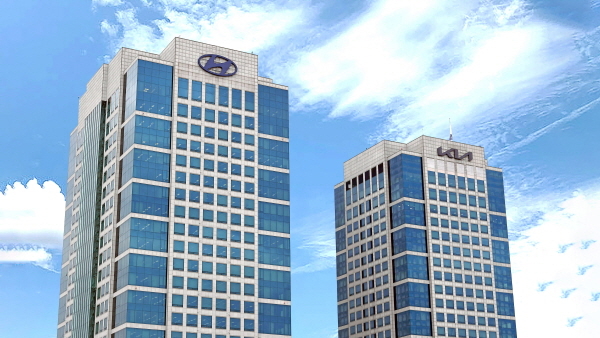
The center of Korea’s stock market rally has shifted decisively toward semiconductors. AI investment and HBM demand are pulling capital into chip leaders, while auto stocks remain sidelined. Earnings slowdown concerns, labor negotiations and cost pressures continue to limit a rebound.