Elite Investors Rotate From Samsung Electronics to Preferred Shares on Discount Bet
The morning flow on June 29 showed a clear rotation out of Samsung Electronics common shares and into Samsung Electronics preferred shares. SK Hynix, Samsung Electronics preferred shares and Square led net buying, while Samsung Electro-Mechanics, Samsung Electronics and DB HiTek led selling. The move keeps exposure to semiconductors but adds a valuation and
Core Flow
Top 1% equity investors shifted from Samsung Electronics common shares to Samsung Electronics preferred shares in morning trading on June 29, 2026. As of 9:30 a.m., the leading net buys were SK Hynix, Samsung Electronics preferred shares and Square, now Block. The leading net sells were Samsung Electro-Mechanics, Samsung Electronics common shares and DB HiTek. This was not a broad exit from chips. It was a rebalance inside the semiconductor trade, favoring preferred shares where investors expect the discount to normalize.
Why Preferred Shares
Samsung Electronics preferred shares often trade below the common shares because they do not carry voting rights. When that gap looks too wide, investors can target both earnings-cycle recovery and discount narrowing. A lower entry price can also lift the effective dividend yield when cash dividends are similar.
Market Impact
For Korean investors, the trade is still a won-denominated KOSPI semiconductor exposure, but liquidity and supply-demand can change the speed of discount narrowing. Square adds U.S. fintech exposure, so won-based returns also depend on the dollar-won exchange rate and U.S. market volatility. The outlook depends on memory demand, Samsung Electronics earnings expectations, dividend stability and foreign or institutional flows.
Key points
- The morning flow on June 29 showed a clear rotation out of Samsung Electronics common shares and into Samsung Electronics preferred shares. SK Hynix, Samsung Electronics preferred shares and Square led net buying, while Samsung Electro-Mechanics, Samsung Electronics and DB HiTek led selling. The move keeps exposure to semiconductors but adds a valuation and
- Use the body and FAQ context before acting on this update.
- Compare with related issues inside the category hub.
FAQ
Which stocks did elite investors buy on June 29?
As of 9:30 a.m., the top net buys were SK Hynix, Samsung Electronics preferred shares and Square.
Why buy Samsung Electronics preferred shares instead of common shares?
The trade reflects expectations that the preferred-share discount may narrow, while dividend yield remains relatively attractive.
What should retail investors watch?
They should monitor liquidity, the common-preferred price gap, semiconductor demand and dollar-won currency effects for Square.
Latest stories
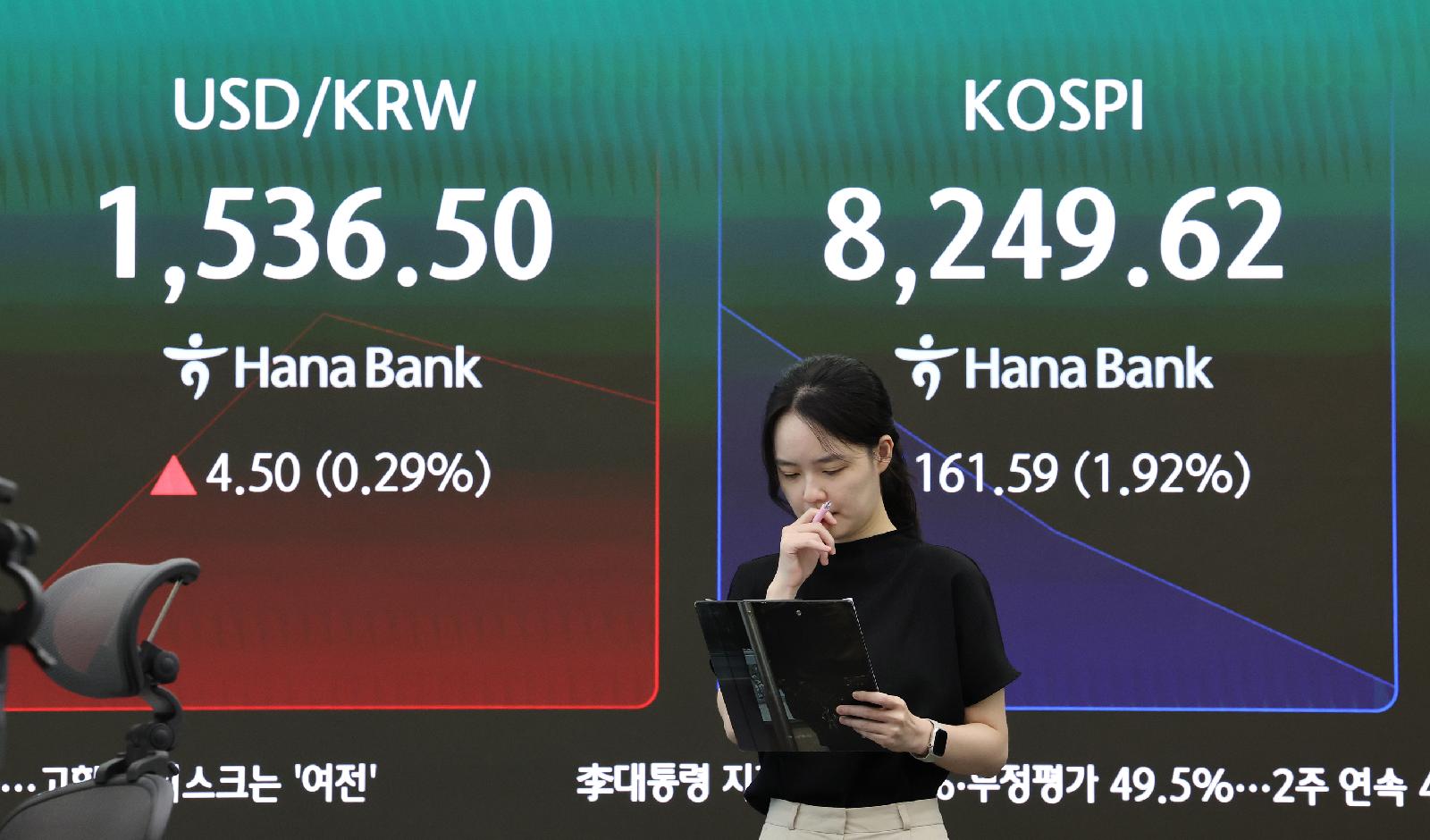
KOSPI Fear Index Near Record High as Middle East Tension Hits Chip Stocks
The KOSPI 200 Volatility Index, known as Korea’s fear index, climbed to a record-level intraday high on the 29th. Rising U.S.-Iran tension weakened risk appetite, while semiconductor shares faced fading investor confidence. The index rose more than 5%, signaling sharper short-term stress in Korean equities.

FOMO Fatigue Deepens as Investors Miss Samsung Electronics and SK Hynix Rally
FOMO is spreading as rising stocks, property prices and AI adoption make people feel left behind. Online mentions and searches for FOMO peaked in May 2026 across the period from 2025 to June 2026. As fatigue builds, some investors and workers are using JOMO to reduce comparison-driven anxiety.
KOSPI’s 9,000 Test Puts Inflation, Jobs, Foreign Selling and AI Costs in Focus
The KOSPI approached 9,000 on June 25, but volatility rose as AI infrastructure costs and foreign selling hit large-cap sentiment. Micron’s strong results supported expectations for Samsung Electronics and memory chips. The week starting June 29 puts inflation, jobs, rates and the won-dollar exchange rate at the center. Investors should watch futures flows,
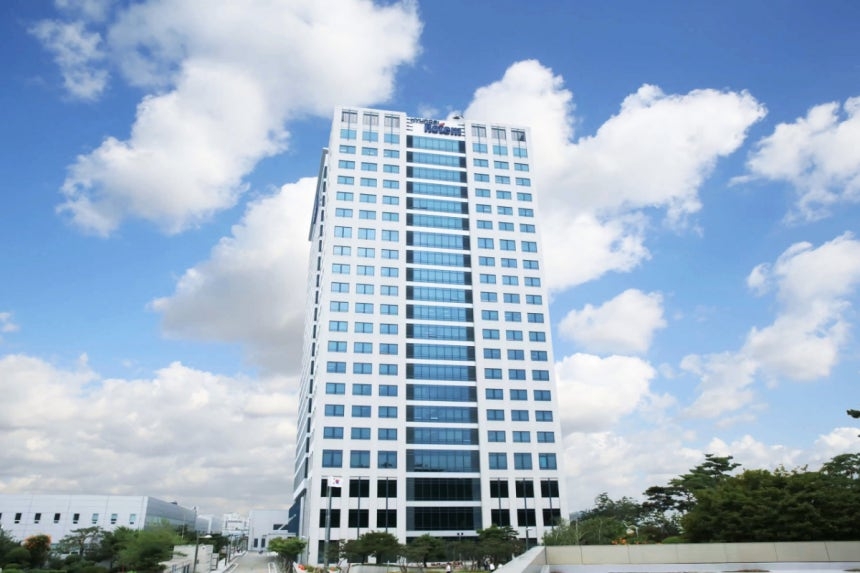
Hyundai Rotem Valuation Lowest Among Korea Defense Five as Q2 Meets Views
Hyundai Rotem is drawing attention for having the lowest relative valuation among Korea’s five leading defense companies. Second-quarter results are expected to match market expectations. The existing target-price reference is 283,000 won, with orders, delivery timing and margins driving the investment case.
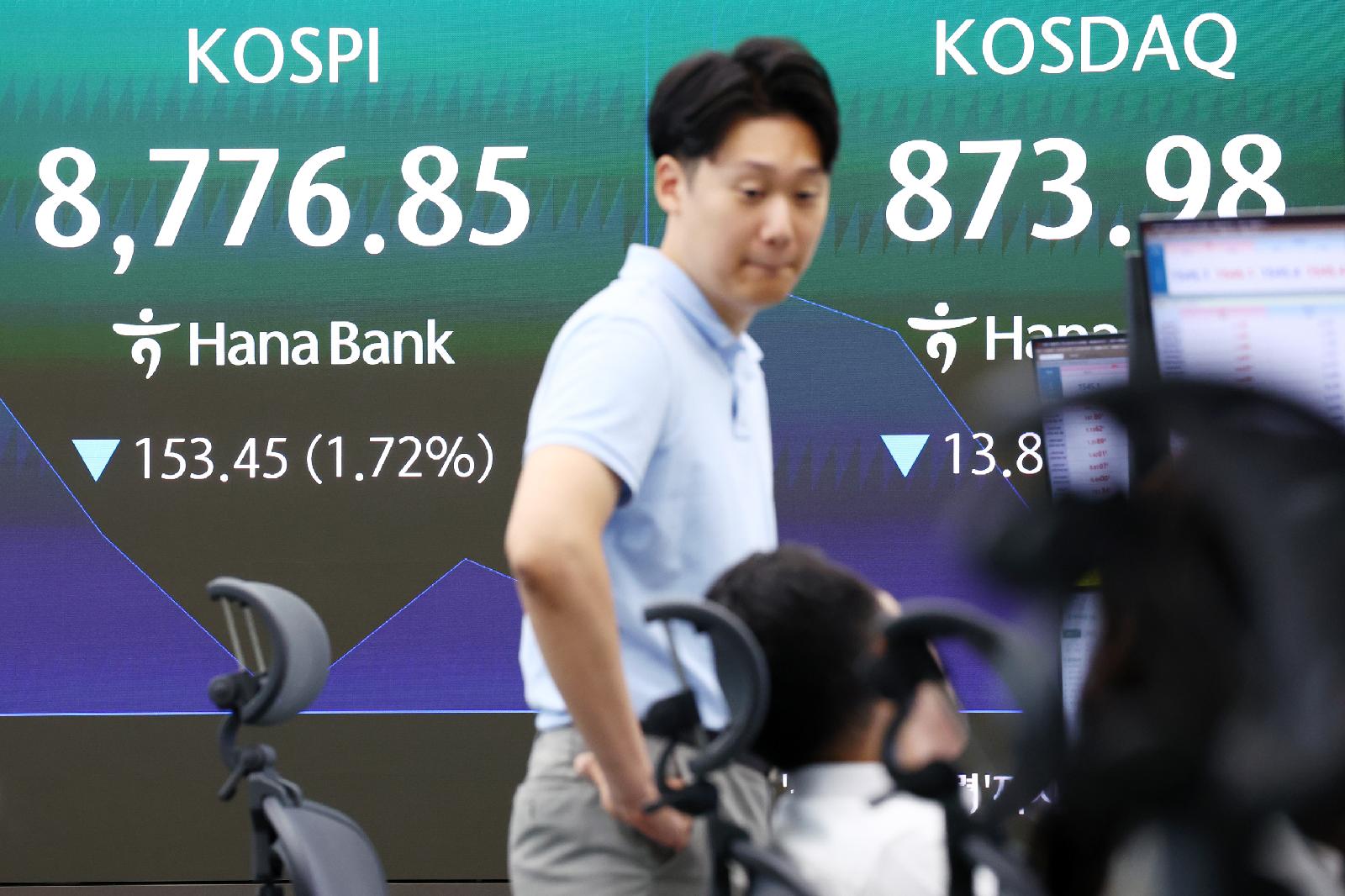
KOSPI Plunges More Than 8%, Circuit Breaker Halts Main Board Trading
The KOSPI dropped more than 8% intraday, forcing a temporary halt in main board trading. A sell-side sidecar had already been activated earlier in the session before the decline deepened. The move sharply raised volatility across Korean equities and index-linked products. Market attention now turns to whether institutional and foreign selling eases after tra
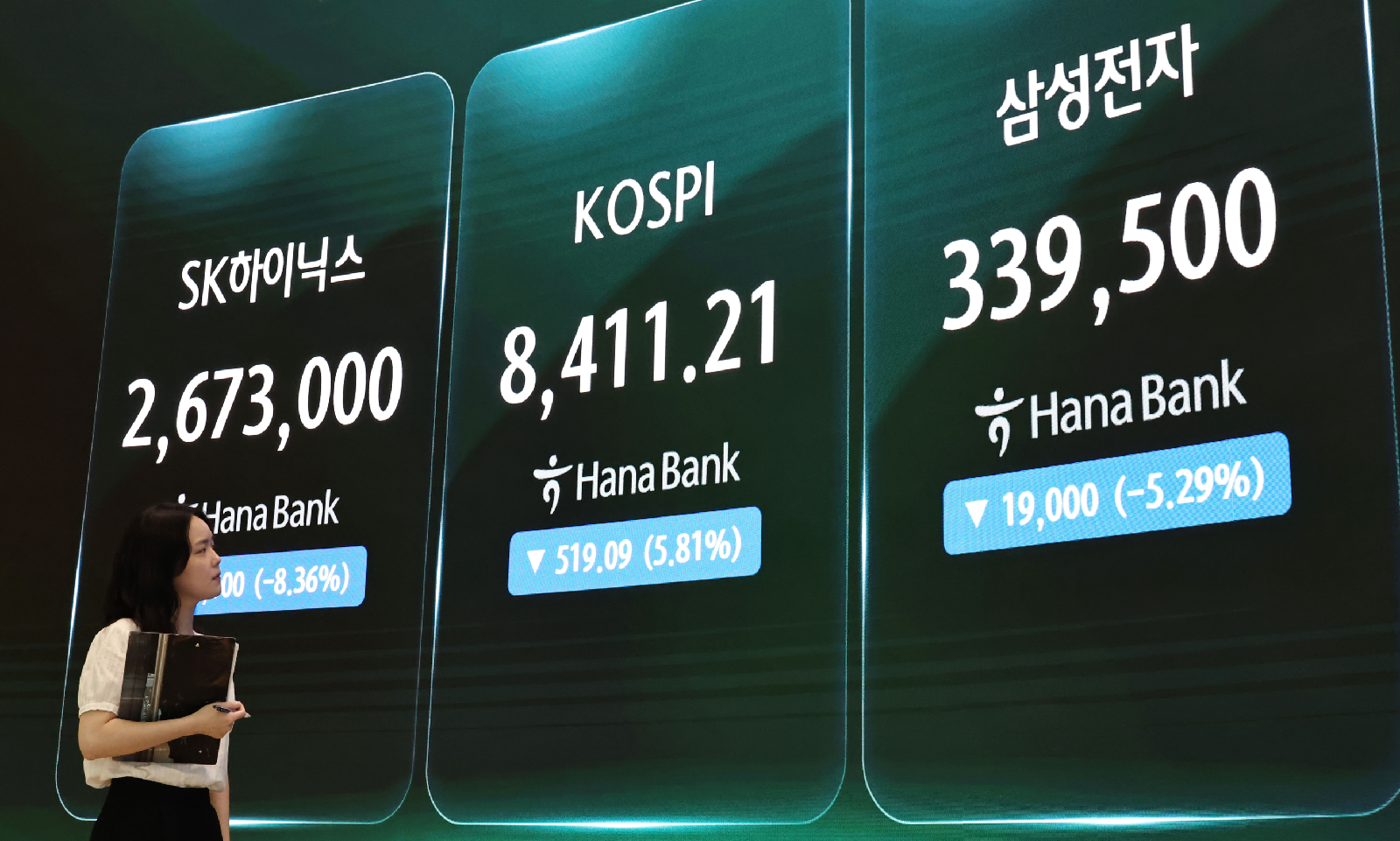
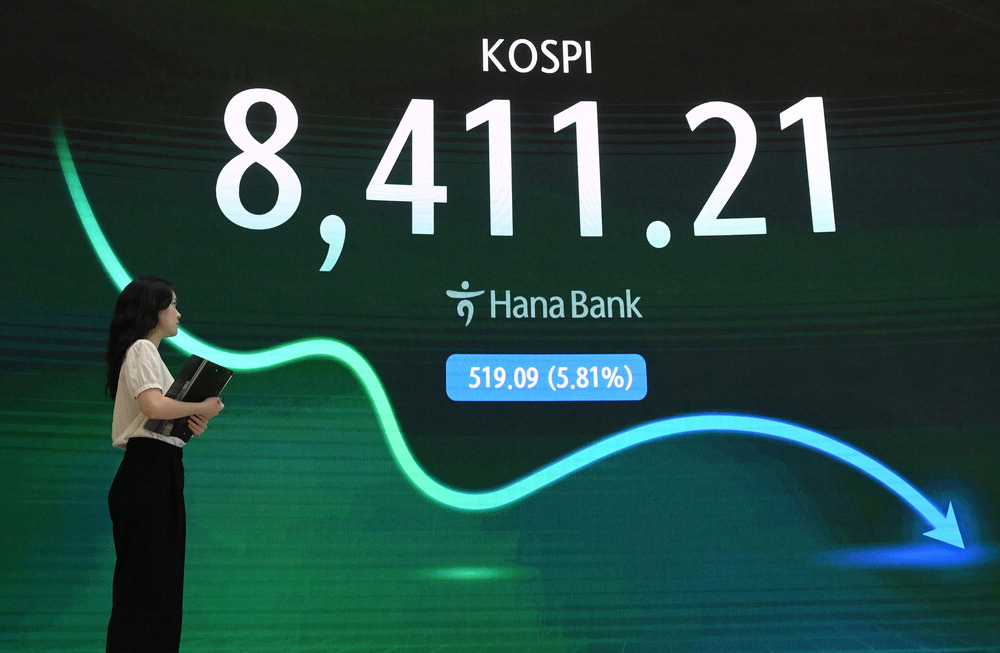
KOSPI tumbles 5.81% to 8,411.21 as AI investment slowdown fears hit Seoul stocks
The KOSPI closed at 8,411.21 on the 26th, down 519.09 points from the previous session. A 5.81% drop reflected rising risk aversion tied to concerns that the AI investment cycle may slow. Large-cap technology and growth stocks led the selloff. Investors are now focused on earnings guidance and foreign fund flows.
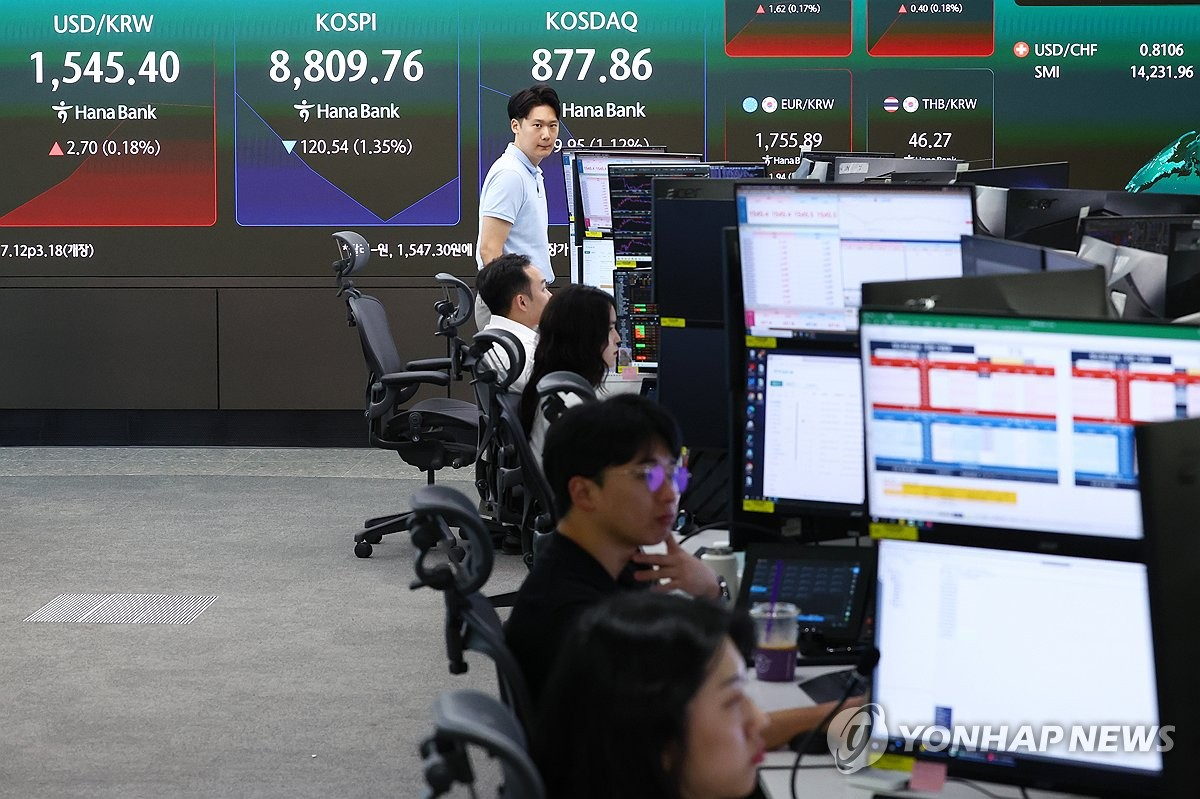
KOSPI retreats to 8,400 as foreign and institutional selling revives circuit-breaker fears
The KOSPI retreated to the 8,400 level on the 26th under simultaneous selling by foreign and institutional investors. The previous day’s gain of more than 5%, fueled by Micron’s surprise earnings, quickly lost momentum. Semiconductor optimism remained, but profit-taking and risk aversion revived circuit-breaker concerns.
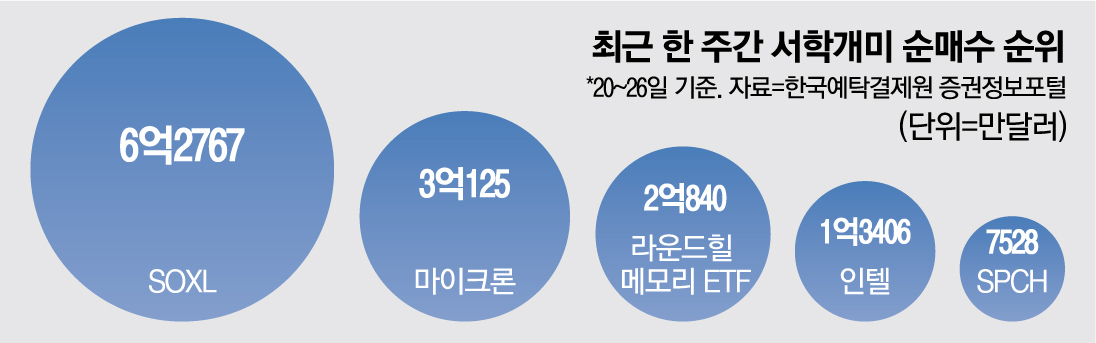
Korean Retail Investors Rush Into 3x Chip ETFs and Micron
Korean overseas-stock investors used the latest semiconductor pullback to build risk-on positions. Capital flowed into 3x leveraged chip ETFs, Micron and memory-focused funds. Currency swings and leverage decay remain key risks for won-based investors.