Micron Shares Track Samsung and SK Hynix as Kospi Becomes an AI Chip Barometer
The Kospi has emerged as a key price signal for global AI semiconductor investors after reaching the 9,000 level and moving sharply in both directions. Samsung Electronics and SK Hynix now influence sentiment around Micron shares. ETF markets are treating Korea-driven volatility as a major risk variable, while Japanese investors are building trading strategi
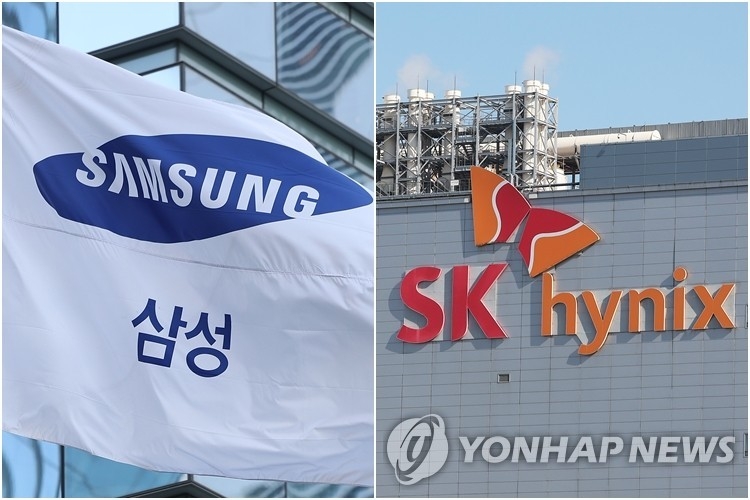
The Kospi’s move to the 9,000 level, followed by sharp declines and rebounds, has turned Korea into a leading indicator for the global AI semiconductor trade. Samsung Electronics and SK Hynix now move in close alignment with Micron, making Korea’s memory chip leaders a practical guide for investors watching U.S. trading hours.
AI Chip Sensitivity After Kospi 9,000
The 9,000 mark is more than a headline number. It has become a gauge of whether the AI semiconductor rally is overheating. During rallies, Samsung and SK Hynix reflect expectations for memory recovery, HBM demand and data-center investment. When profit-taking begins, their declines quickly spread across the Kospi and feed into Micron and semiconductor ETFs.
For Korean investors, won-based returns matter. A rise in Micron in dollar terms can be offset by a stronger won, while gains in local chip leaders directly lift domestic ETFs and pension accounts. Short-selling rules, leveraged ETF controls and derivatives regulation remain important short-term liquidity variables.
Why Micron Watches Korea
Micron’s tighter link with Samsung and SK Hynix reflects overlapping businesses. All three are exposed to DRAM, NAND and high-performance memory demand. AI server investment lifts expectations for HBM and server memory prices, while supply concerns pressure valuations across the group. That makes intraday moves in Korean chip stocks a real-time signal before the U.S. market opens.
Japanese investors are also using the Kospi more actively. Japan’s chip equipment and materials stocks often move with Korea’s memory cycle. A Korea-led selloff pushes more defensive positioning across Japanese semiconductor names and Asian technology ETFs. A rebound in Korean chip shares tends to restore risk appetite.
ETF Market Risk
The key pressure point is the ETF market. AI semiconductor ETFs and global technology ETFs hold Samsung, SK Hynix and Micron directly or indirectly. A sharp Kospi decline can trigger redemption and rebalancing pressure, spreading volatility to U.S. and Japanese chip stocks. If the Kospi stabilizes around the 9,000 level, global memory-chip sentiment is likely to recover.
The next test is earnings. AI server spending must translate into higher memory prices and stronger operating profit. The correlation among the Kospi, Samsung Electronics, SK Hynix and Micron is likely to continue. Korea is no longer just a regional market; it is becoming a core market for pricing the global AI semiconductor cycle.
Key points
- The Kospi has emerged as a key price signal for global AI semiconductor investors after reaching the 9,000 level and moving sharply in both directions. Samsung Electronics and SK Hynix now influence sentiment around Micron shares. ETF markets are treating Korea-driven volatility as a major risk variable, while Japanese investors are building trading strategi
- Use the body and FAQ context before acting on this update.
- Compare with related issues inside the category hub.
FAQ
Why is Micron moving with Samsung and SK Hynix?
All three companies are exposed to DRAM, NAND and high-performance memory demand, so industry expectations affect them at the same time.
Why does Kospi 9,000 matter?
It functions as a psychological marker for the strength and sustainability of the AI semiconductor rally and affects ETF flows.
What should Korean investors watch?
They should track Samsung and SK Hynix volatility, the won-dollar exchange rate, ETF rebalancing and regulatory changes around short selling and leverage.
Latest stories
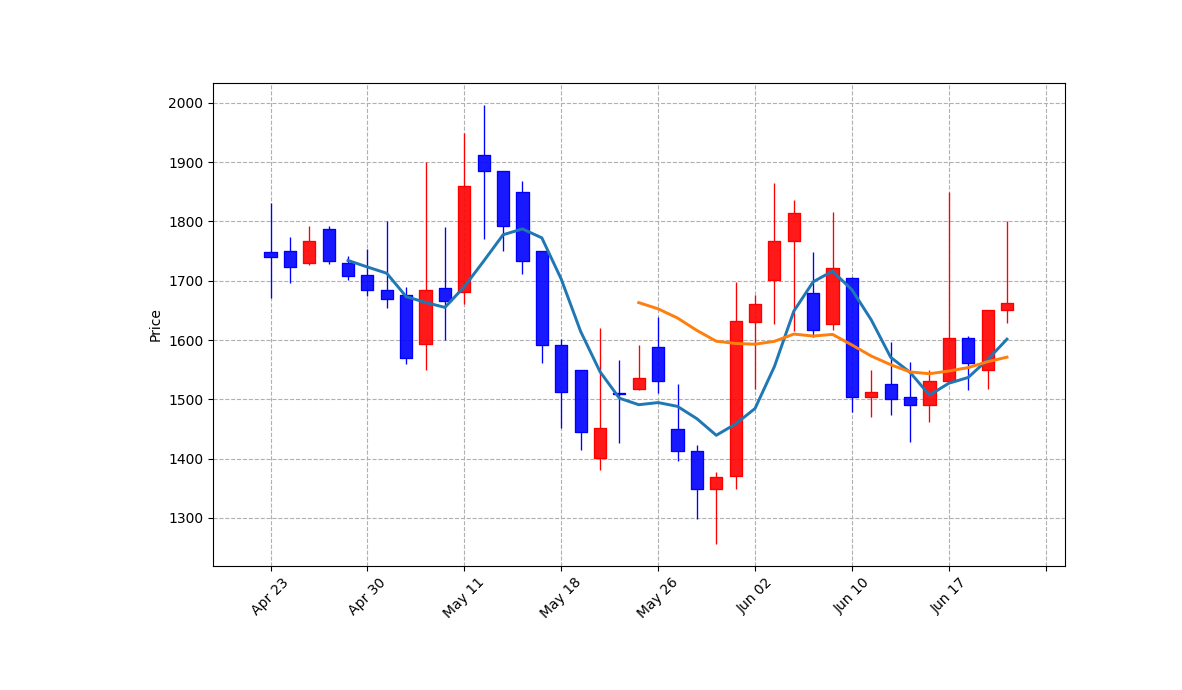
Golden Cross Stocks Jusung Corporation and Bistos Draw Attention in Korea
Jusung Corporation and Bistos have been identified as golden cross breakout stocks in the Korean market. A golden cross signals that short-term moving averages have moved above longer trend lines. The signal can improve sentiment, but trading volume, filings and company-specific momentum still matter.
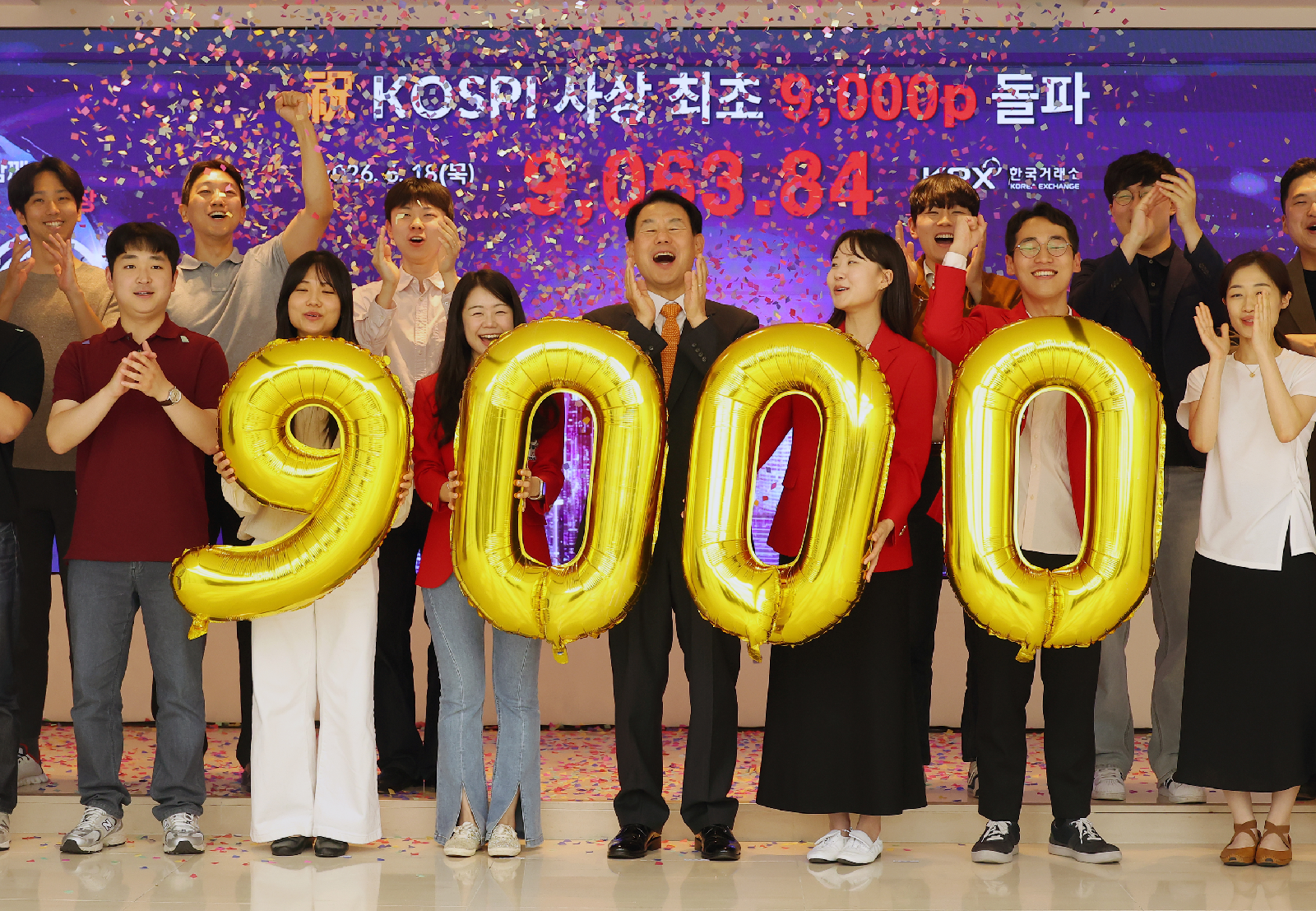
MSCI Developed-Market Gate Looms as Kospi 9000 Sets Up Korea’s 10000 Test
The Kospi has crossed 9000, but the bigger market question is whether Korea can move beyond emerging-market treatment in MSCI’s framework. The index needs roughly 11.1% more to reach 10000. Currency access, settlement rules, dividend processes and English disclosure are central to the next rerating.
Semiconductor Stocks Face Key Week as SK Hynix ADR Hopes and Micron Earnings Set the Tone
Korean equities are focused on whether semiconductor stocks can extend their rally. SK Hynix’s expected U.S. ADR approval and Micron’s June 24 earnings are the immediate catalysts. Korea’s MSCI inclusion debate may also influence foreign flows and the valuation of won-denominated assets.
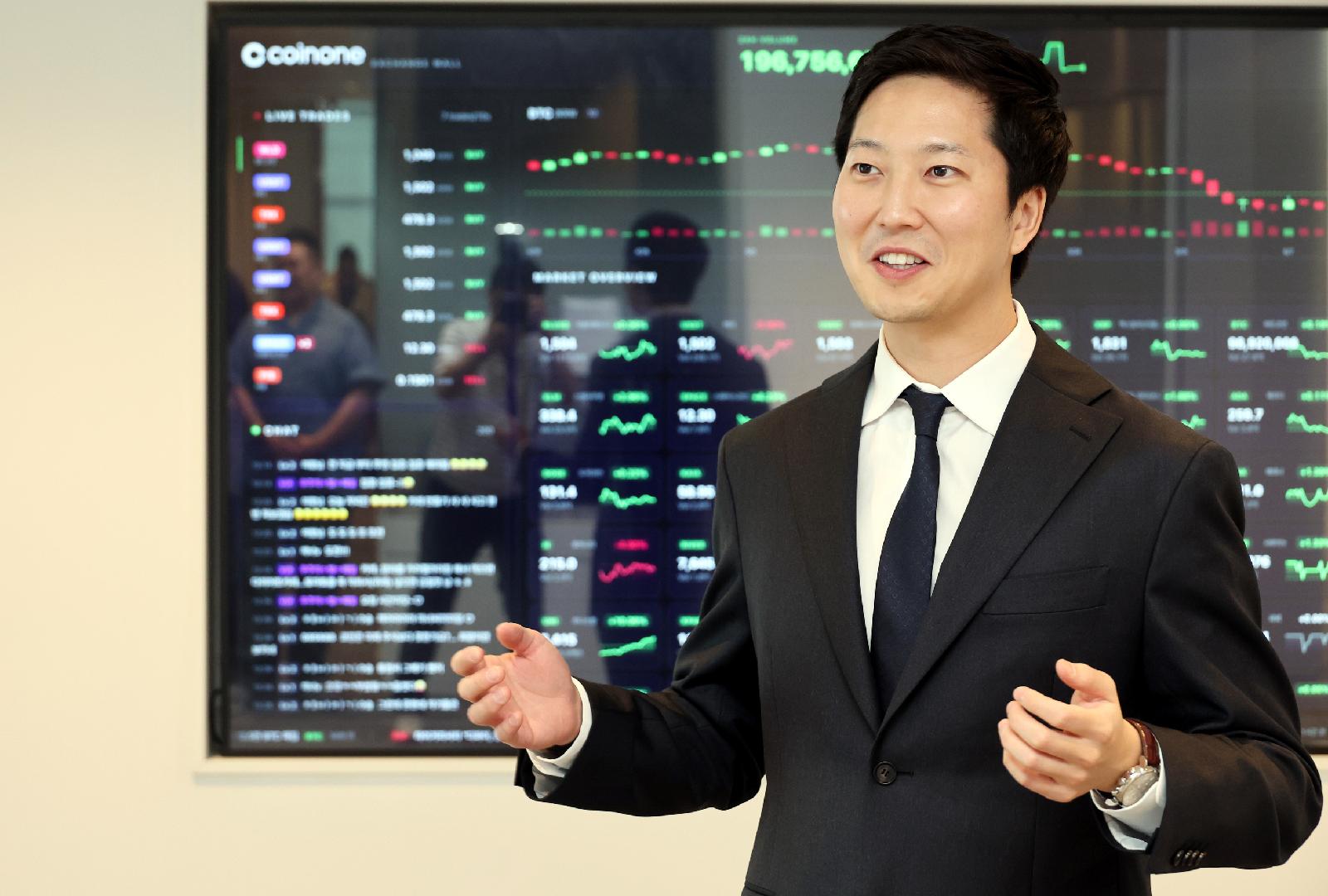
Coinone Eyes Stocks Inside Crypto Exchange With 80 Billion Won Alliance Plan
Coinone is preparing to broaden its crypto exchange into a stock-investing touchpoint. CEO Cha Myung-hun, a white-hat hacker founder who also works directly on AI coding, is targeting a stable double-digit trading share this year. The exchange also aims to reach 1 million monthly users by year-end.
Penny Stock Delisting Risk Hits 219 Korean Firms as Rule Nears
Korea’s penny stock market is facing a major test as a new delisting rule tied to shares below 1,000 won approaches. The risk group totals 219 companies, including 148 Kosdaq and 42 Kospi stocks. Up to 8 trillion won in market value could be affected, raising concern among retail investors.