KOSPI’s 9,000 Test Puts Inflation, Jobs, Foreign Selling and AI Costs in Focus
The KOSPI approached 9,000 on June 25, but volatility rose as AI infrastructure costs and foreign selling hit large-cap sentiment. Micron’s strong results supported expectations for Samsung Electronics and memory chips. The week starting June 29 puts inflation, jobs, rates and the won-dollar exchange rate at the center. Investors should watch futures flows,
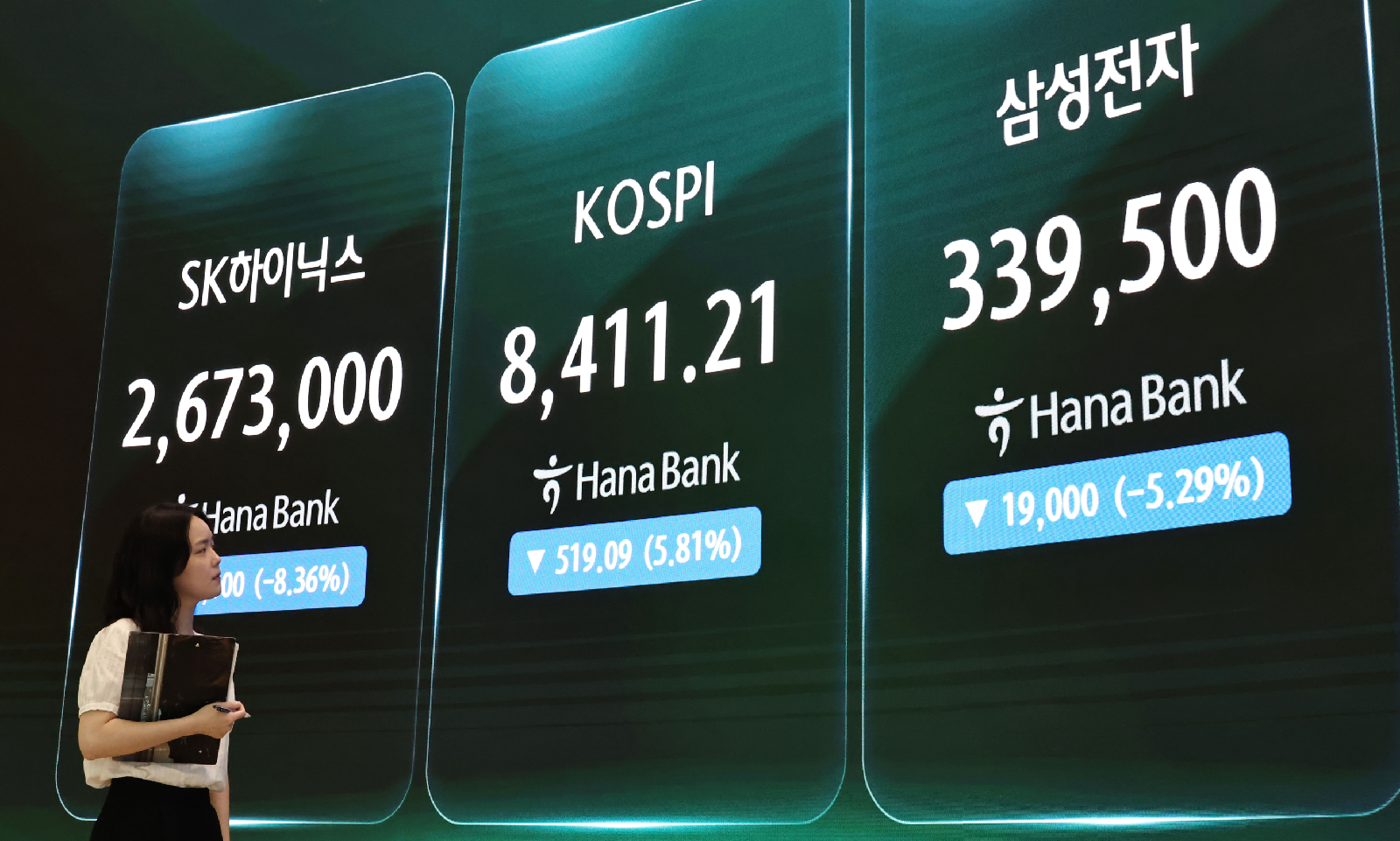
The KOSPI’s near-term direction now rests on inflation and employment data. The index neared 9,000 on June 25, showing strong rebound momentum, but the rally remains fragile. Concern over AI infrastructure costs has raised questions about margins, while foreign investors sold large index names and amplified volatility. Micron’s strong results restored confidence in the memory cycle and helped Samsung Electronics sentiment, yet buyers are waiting for clearer signals on rates and the won-dollar exchange rate.
AI Costs Meet Chip Demand
The main question is whether AI growth can keep justifying an earnings premium. High-end memory and data-center investment can lift revenue, but power, equipment and server costs can erode profit forecasts. For Korean investors, dollar-denominated costs matter when translated into won. A weaker won raises overseas equipment and cloud spending pressure, while foreign flows become more sensitive to currency risk.
Clues in Foreign Selling
Foreign selling does not yet signal a full exit from Korean equities. Pressure is concentrated in AI-linked names, semiconductor leaders, large index movers and futures positioning. That points more to risk reduction before data than to a pure recession trade. If AI revenue rises slower than costs, valuation resets can follow.
This Week’s Checkpoints
Hot inflation would weaken rate-cut hopes and raise discount rates for growth stocks. Very strong jobs data could revive tightening fears, while a sharp slowdown would raise growth concerns. A durable KOSPI hold near 9,000 needs semiconductor earnings confidence, a turn in foreign net buying and a steadier won-dollar rate.
Key points
- The KOSPI approached 9,000 on June 25, but volatility rose as AI infrastructure costs and foreign selling hit large-cap sentiment. Micron’s strong results supported expectations for Samsung Electronics and memory chips. The week starting June 29 puts inflation, jobs, rates and the won-dollar exchange rate at the center. Investors should watch futures flows,
- Use the body and FAQ context before acting on this update.
- Compare with related issues inside the category hub.
FAQ
What is the key variable for Korean stocks this week?
Inflation data, jobs data, the won-dollar exchange rate, foreign flows and semiconductor earnings expectations are the key variables.
Why do Micron results matter for Samsung Electronics?
Micron’s performance signals memory demand and pricing trends, which influence sentiment toward Samsung Electronics.
Does foreign selling mean investors are leaving Korea?
Not necessarily. Current selling looks more like risk reduction before macro data, so futures and currency flows matter.
Latest stories
KOSPI Sinks as AI Investment Fears and Apple Price Hike Rattle Memory Demand
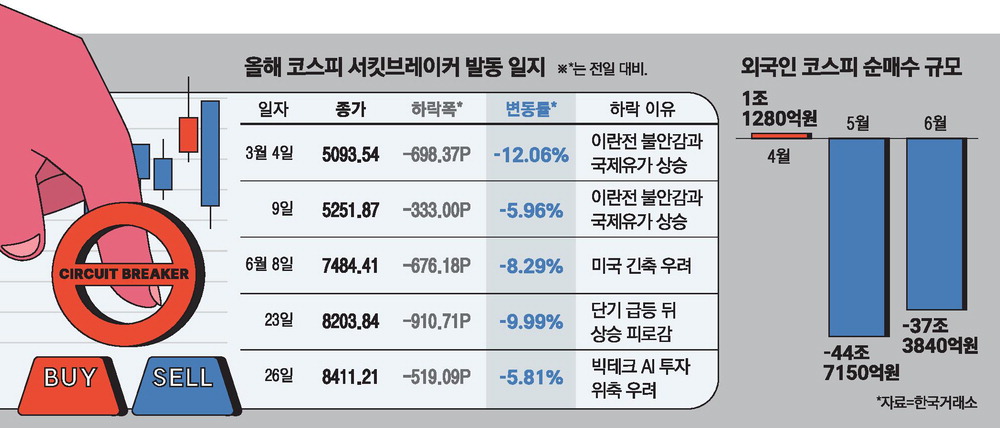
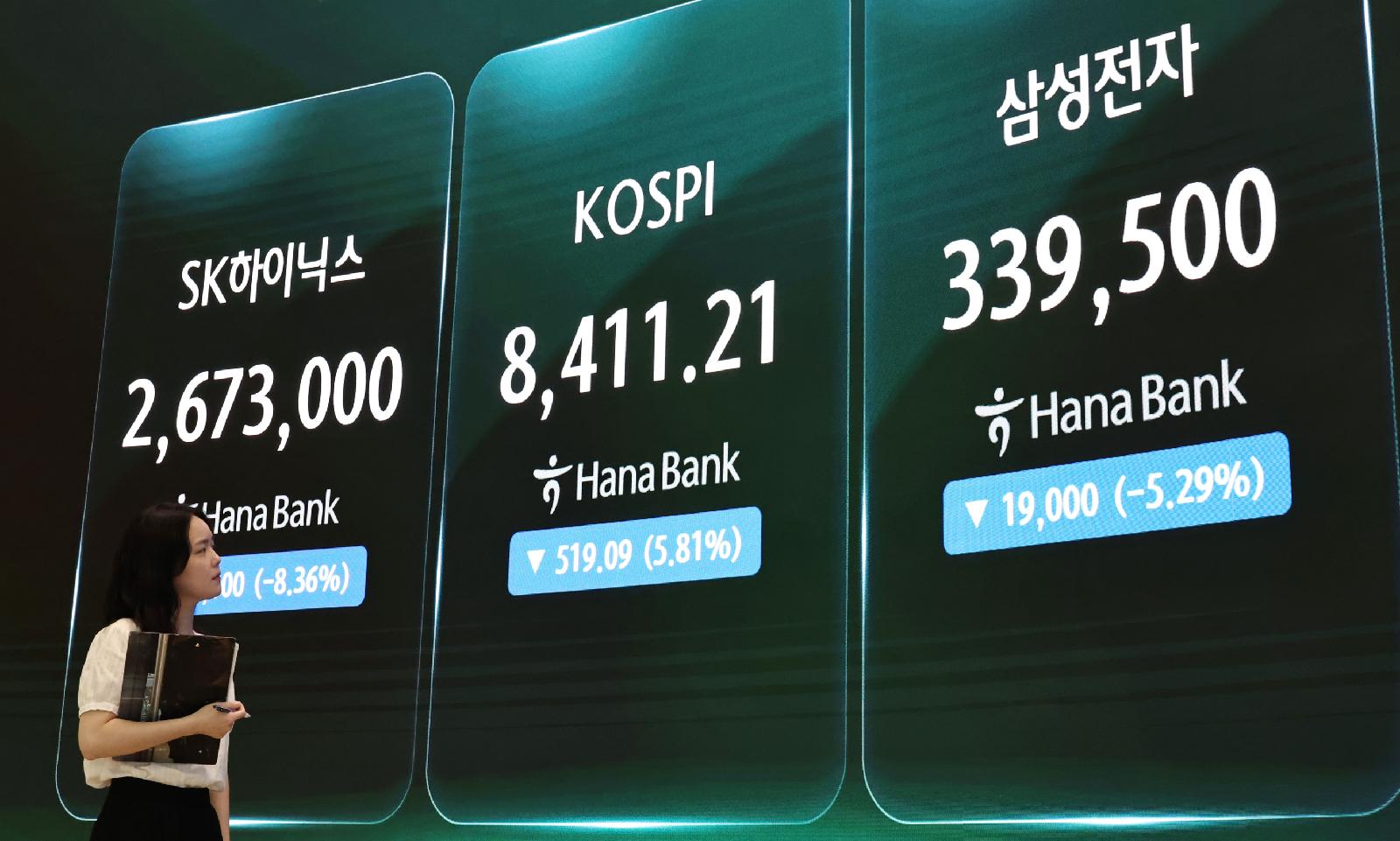
The KOSPI dropped nearly 6% on the 26th under heavy selling by foreign and institutional investors. Apple’s expected product price increases raised concerns that consumer replacement demand could slow, pressuring memory semiconductor orders. Korean chip and technology shares now face renewed valuation pressure tied to AI investment expectations.
KOSPI 150x and Samsung-SK Hynix 50x Leverage Ignite Korean Stock Futures Debate
Highly leveraged Korean equity futures have put investor protection back in focus. KOSPI-linked products can reach 150x leverage, while Samsung Electronics and SK Hynix products can reach 50x. Domestic investors appear to be using overseas access routes as semiconductor optimism fuels speculative demand.
KOSDAQ chip materials and equipment shares extend solo rally as institutions buy
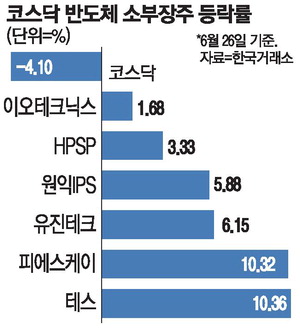
KOSDAQ semiconductor materials, parts and equipment stocks outperformed during a broad market pullback. Profit-taking weighed on large chipmakers, but institutional money moved into supply-chain companies. Investors are watching second-round beneficiaries of a semiconductor recovery and Korea’s localization trend.

KOSPI Rally Raises False-Rally Warning as ETFs, Blue Chips and Dividends Flash Risks
The KOSPI’s advance does not fully reflect the health of the broader market. Three warning signs stand out: more falling stocks than rising ones, ETFs drifting away from fair value, and blue-chip shares turning into speculative trades. Even 5% dividend yields are being overlooked as short-term momentum dominates.
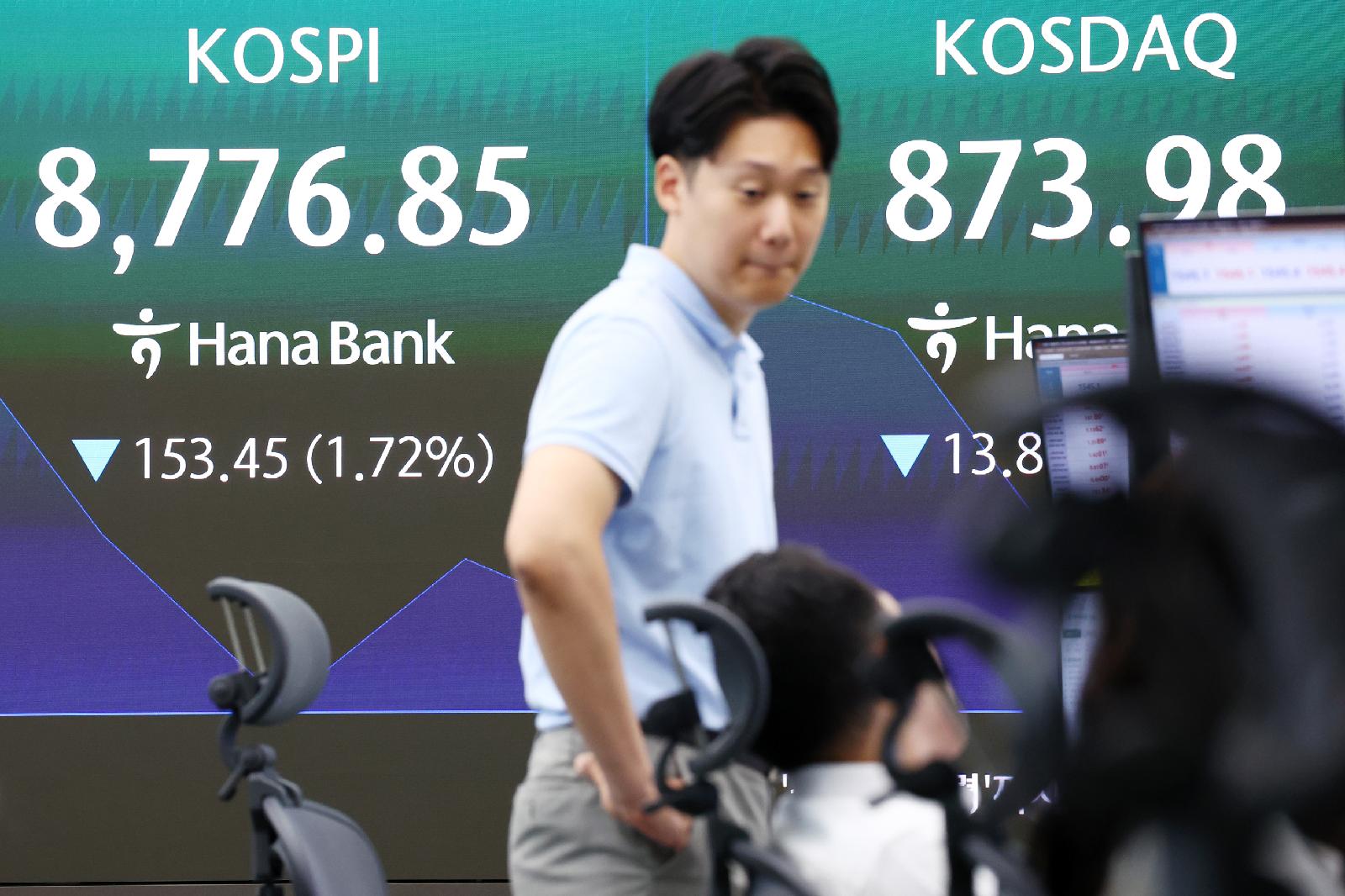
Korean Stock Market Volatility Surges as Sidecars and Circuit Breakers Hit Trading
Korean equities are moving through an unusually volatile phase, with daily moves of 4% to 5% or more. Buy-side and sell-side sidecars, as well as circuit breakers, have been activated. Profit-taking, heavy concentration in semiconductor shares and leveraged trading are widening index swings. Investors now need to watch won-based returns, FX moves and credit
Samsung Electronics and SK Hynix Slump Tests Global AI Chip Sentiment
Samsung Electronics and SK Hynix have become central gauges for global AI chip sentiment. Their decline triggered broader weakness in U.S. and European technology stocks. Investors are reassessing profit-taking, AI server demand and the pace of memory recovery. Micron’s earnings now stand as the next key checkpoint.

Perpetual Futures Expand From Bitcoin to Stocks, Commodities and Private Shares
Perpetual futures are leveraged derivatives that track asset prices without an expiry date. The market is expanding from Bitcoin and Ether into equity indexes, commodities and private-company exposure. U.S. volumes have already reached multibillion-dollar scale, while Korea must reconcile spot-centered crypto markets with derivatives oversight and investor p
Samsung C&T Target Rises Toward 700,000 Won on Samsung Electronics Stake and Nuclear Momentum
Samsung C&T is being re-rated sharply in the Korean market. Gains in Samsung Electronics and other affiliates have lifted the value of its holdings, while dividend expectations strengthened investor demand. Nuclear infrastructure momentum has added a growth angle, putting a 700,000 won target and strong buy case in focus.