Semiconductor Stocks Slide as Meta AI Spending Debate Hits Market
Semiconductor stocks fell sharply as Meta’s data-center and cloud ambitions revived concern that AI infrastructure spending may be running ahead of returns. The Kospi dropped 7% to close at 7,648, while SK Hynix moved toward its steepest decline in 17 years. Investors are now reassessing AI demand, memory prices and big-tech capital expenditure.
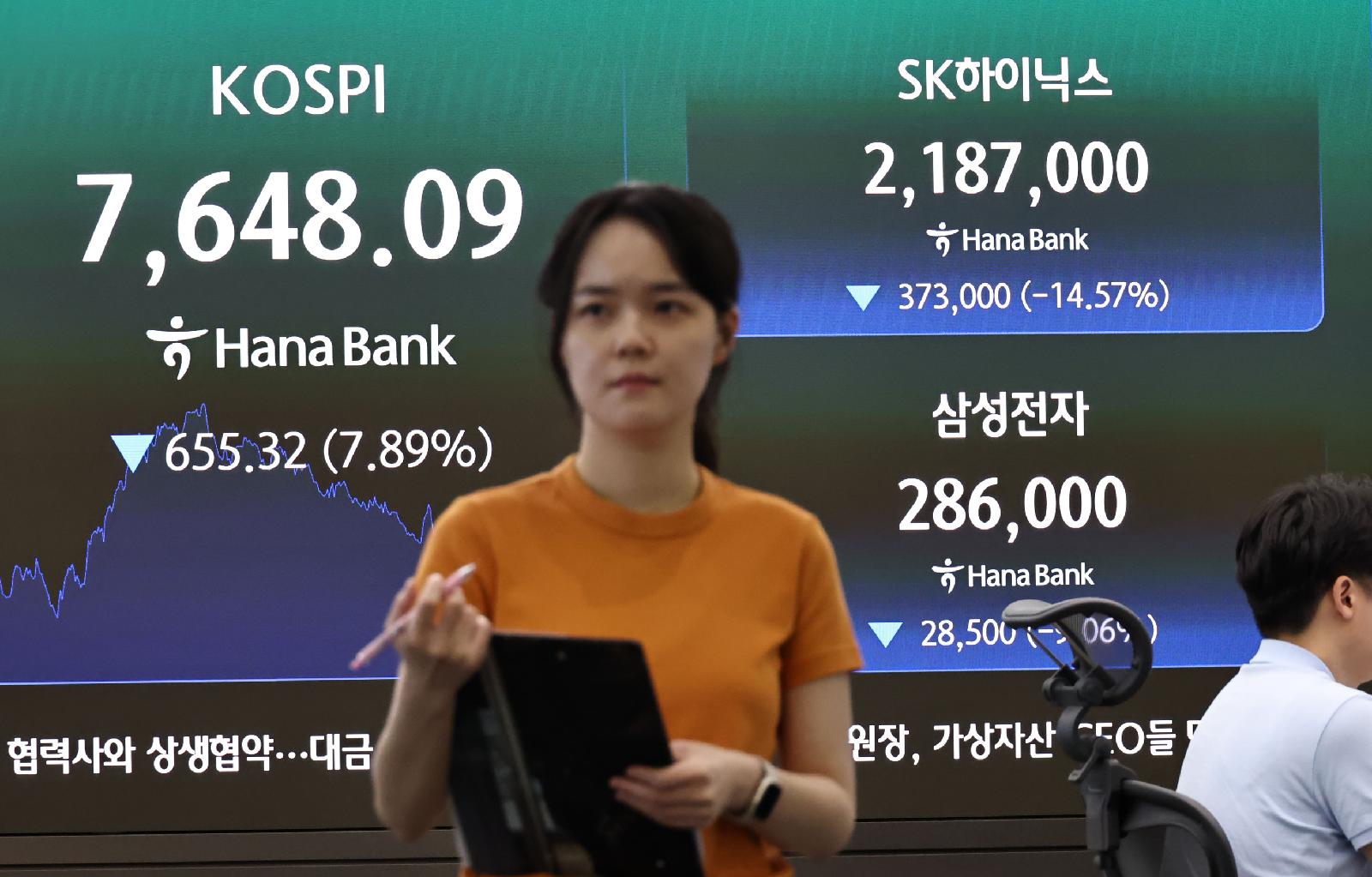
Semiconductor stocks have become the center of market anxiety again. Meta’s plan to leverage its data-center infrastructure and expand into cloud services has raised concerns that AI infrastructure investment may be excessive. The Kospi fell 7% to close at 7,648, and SK Hynix was on pace for its sharpest drop in 17 years.
From AI Boom to Investment Doubt
The issue is not simply whether AI demand exists. The market is questioning the speed and scale of investment. Meta already operates massive platforms such as Facebook and Instagram and owns extensive server and data-center assets. Expanding that base into cloud services initially looked supportive for chip demand, but investors quickly focused on another question: how fast can big-tech AI spending turn into revenue and cash flow?
Chip shares had climbed on expectations for AI accelerators, high-bandwidth memory and server DRAM. Because the rally was so strong, even a modest doubt became a trigger for selling. SK Hynix was especially exposed because HBM supply expectations had been a key driver of its share-price gains.
Impact on Korean Investors
For Korean investors, this is not just a foreign technology-stock correction. Samsung Electronics and SK Hynix carry heavy weight in the local market, so semiconductor volatility directly affects the Kospi and sentiment toward won-denominated assets. If foreign selling expands, the Korean won may face additional pressure, which can feed into import prices and rate expectations.
The supply-demand picture also turned fragile. After expectations for the AI chip supply chain became crowded, profit-taking and risk reduction appeared at the same time. Individual investors are now asking whether the market has already reached a peak. The answer depends less on short-term price moves and more on earnings forecasts, HBM contract durability, big-tech capex plans and memory pricing.
Earnings Will Decide the Next Move
The next direction for chip stocks depends on whether AI investment converts into real returns. If big tech maintains data-center spending and cloud demand keeps expanding, the selloff may become a correction after overheating. If doubts grow that AI infrastructure spending is rising faster than revenue, valuation pressure could deepen.
In Korea, investors should watch SK Hynix HBM shipments, Samsung’s memory recovery, the won-dollar exchange rate and whether foreign investors return as net buyers. Semiconductors remain a leading sector in the Korean market, but growth narratives alone are no longer enough. Stocks backed by visible earnings and cash flow are likely to show clearer differentiation.
Key points
- Semiconductor stocks fell sharply as Meta’s data-center and cloud ambitions revived concern that AI infrastructure spending may be running ahead of returns. The Kospi dropped 7% to close at 7,648, while SK Hynix moved toward its steepest decline in 17 years. Investors are now reassessing AI demand, memory prices and big-tech capital expenditure.
- Use the body and FAQ context before acting on this update.
- Compare with related issues inside the category hub.
FAQ
Why did semiconductor stocks fall sharply?
Meta’s data-center and cloud expansion plans intensified concerns that AI infrastructure investment may be running ahead of actual returns.
Why was SK Hynix hit harder?
SK Hynix had benefited strongly from expectations for HBM and AI server memory, making it more sensitive to doubts about AI spending.
What should Korean investors watch next?
HBM shipments, big-tech capex plans, memory prices, the won-dollar exchange rate and foreign investor flows are key indicators.
Latest stories
Memory ETF Frenzy Rides Samsung and SK Hynix to Outpace Nasdaq-100 QQQ
U.S.-listed memory ETFs have become a major AI infrastructure trade, delivering far stronger short-term performance than Nasdaq-100 ETF QQQ. Samsung Electronics, SK Hynix and Micron sit at the center of the HBM and DRAM supply chain. A leading DRAM ETF moved into the $20 billion asset range within just over two months. The trade offers precision exposure, bu
KOSDAQ Reclaims 900 as Samjeon-Nix Leverage Crowding Eases
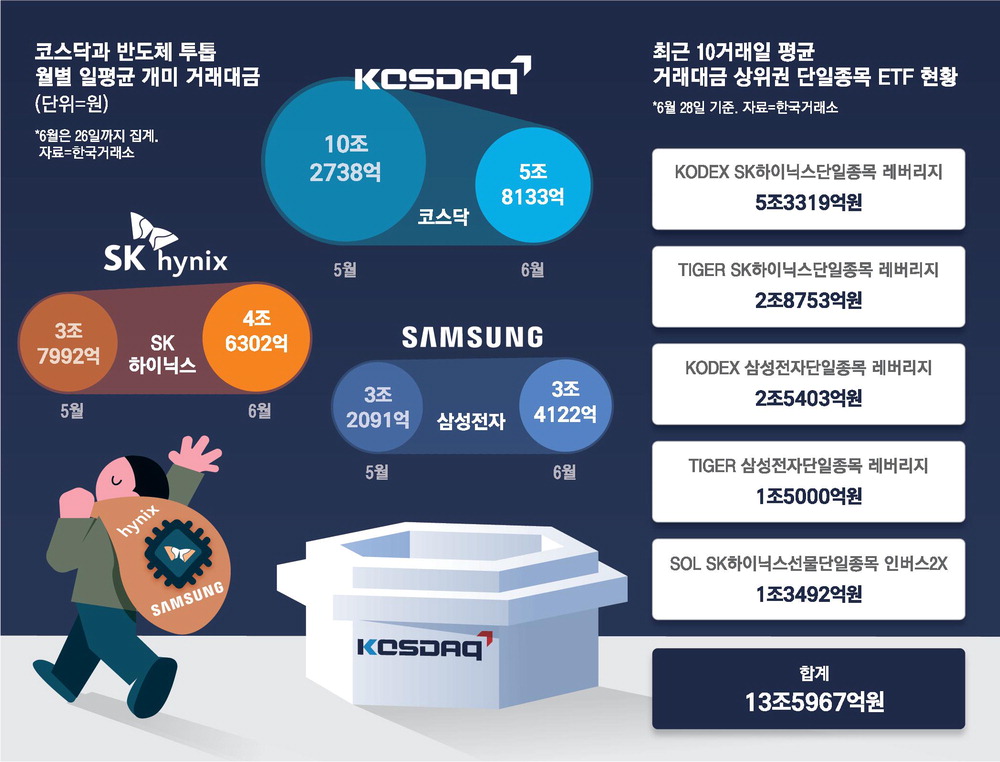
KOSDAQ regained relevance by moving back above 900. Funds that had been concentrated in Samsung Electronics, SK Hynix and a one-month-old Samjeon-Nix leveraged product spread into growth sectors. The buy-side sidecar showed renewed risk appetite, but leverage mechanics and KOSDAQ volatility remain key investor risks.
KOSPI Fear Index Near Record High as Middle East Tension Hits Chip Stocks
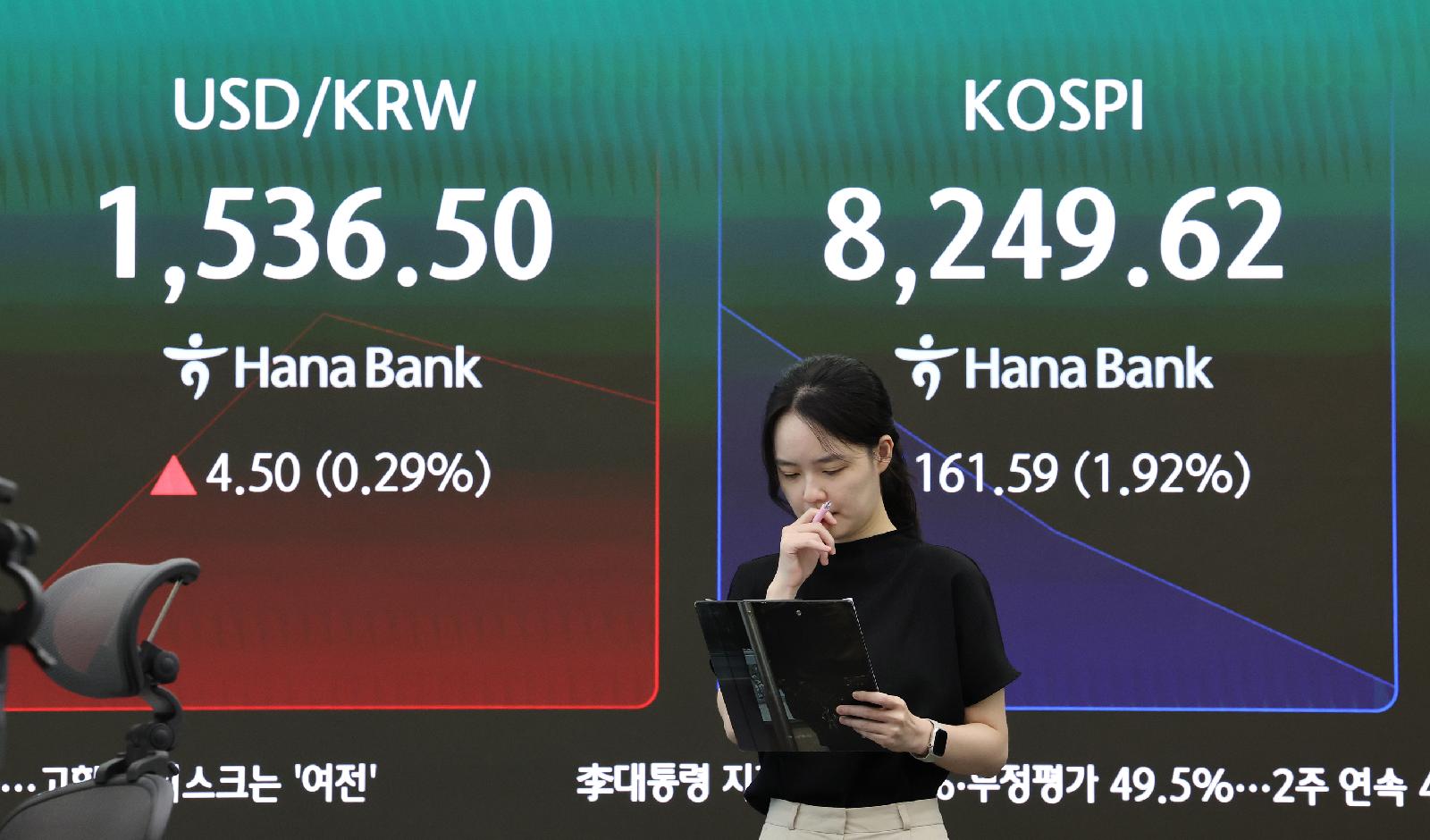
The KOSPI 200 Volatility Index, known as Korea’s fear index, climbed to a record-level intraday high on the 29th. Rising U.S.-Iran tension weakened risk appetite, while semiconductor shares faced fading investor confidence. The index rose more than 5%, signaling sharper short-term stress in Korean equities.

FOMO Fatigue Deepens as Investors Miss Samsung Electronics and SK Hynix Rally
FOMO is spreading as rising stocks, property prices and AI adoption make people feel left behind. Online mentions and searches for FOMO peaked in May 2026 across the period from 2025 to June 2026. As fatigue builds, some investors and workers are using JOMO to reduce comparison-driven anxiety.
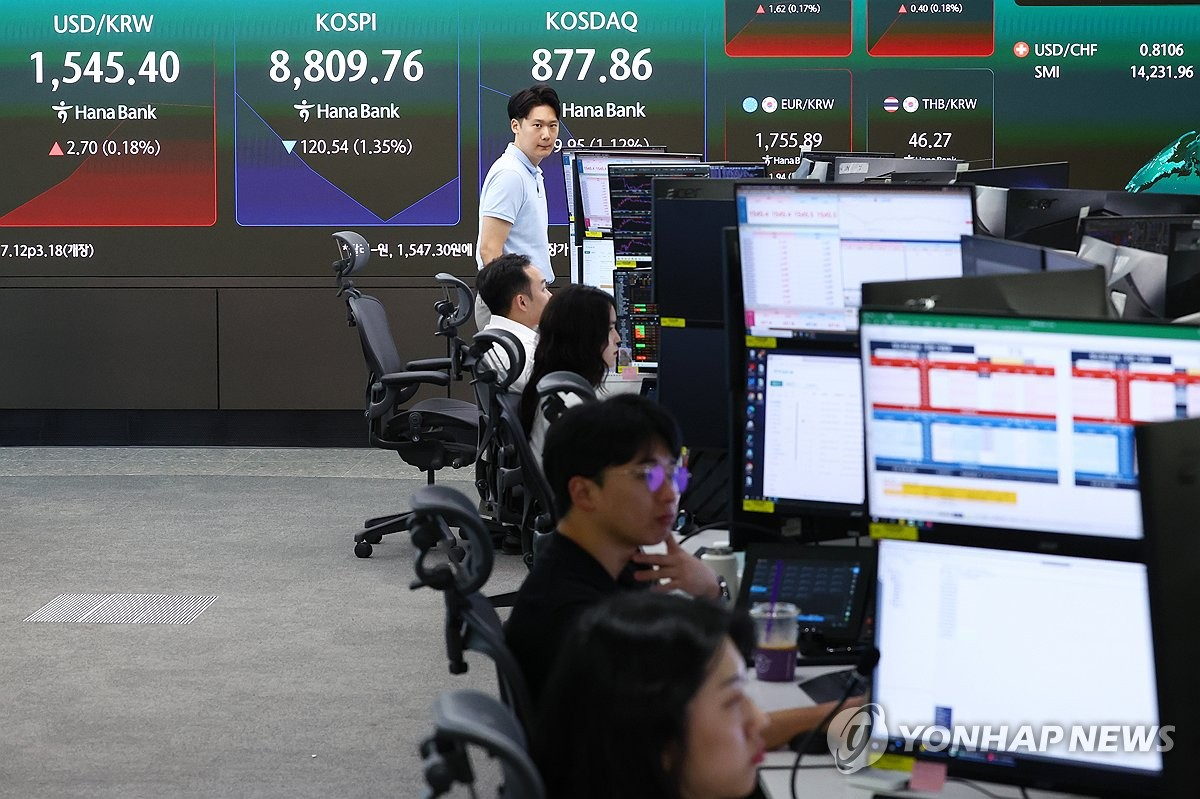
KOSPI’s 9,000 Test Puts Inflation, Jobs, Foreign Selling and AI Costs in Focus
The KOSPI approached 9,000 on June 25, but volatility rose as AI infrastructure costs and foreign selling hit large-cap sentiment. Micron’s strong results supported expectations for Samsung Electronics and memory chips. The week starting June 29 puts inflation, jobs, rates and the won-dollar exchange rate at the center. Investors should watch futures flows,
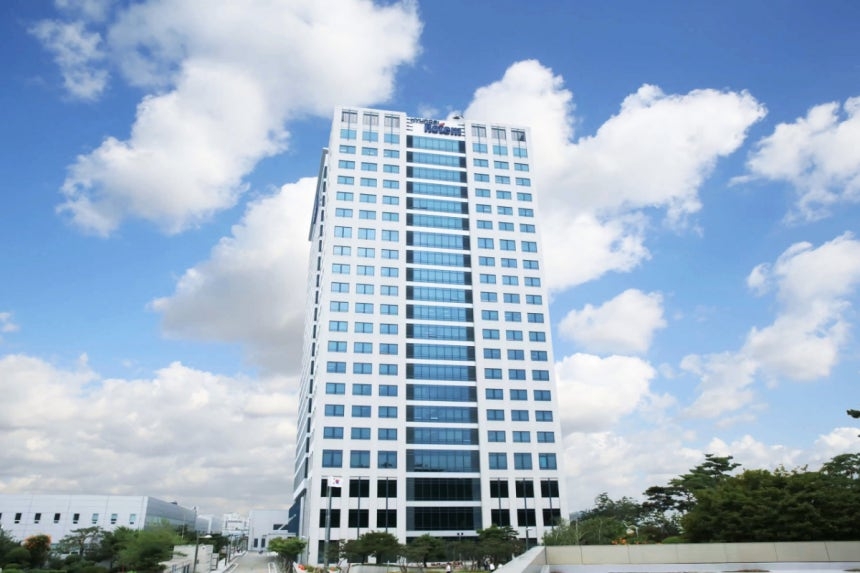
Hyundai Rotem Valuation Lowest Among Korea Defense Five as Q2 Meets Views
Hyundai Rotem is drawing attention for having the lowest relative valuation among Korea’s five leading defense companies. Second-quarter results are expected to match market expectations. The existing target-price reference is 283,000 won, with orders, delivery timing and margins driving the investment case.
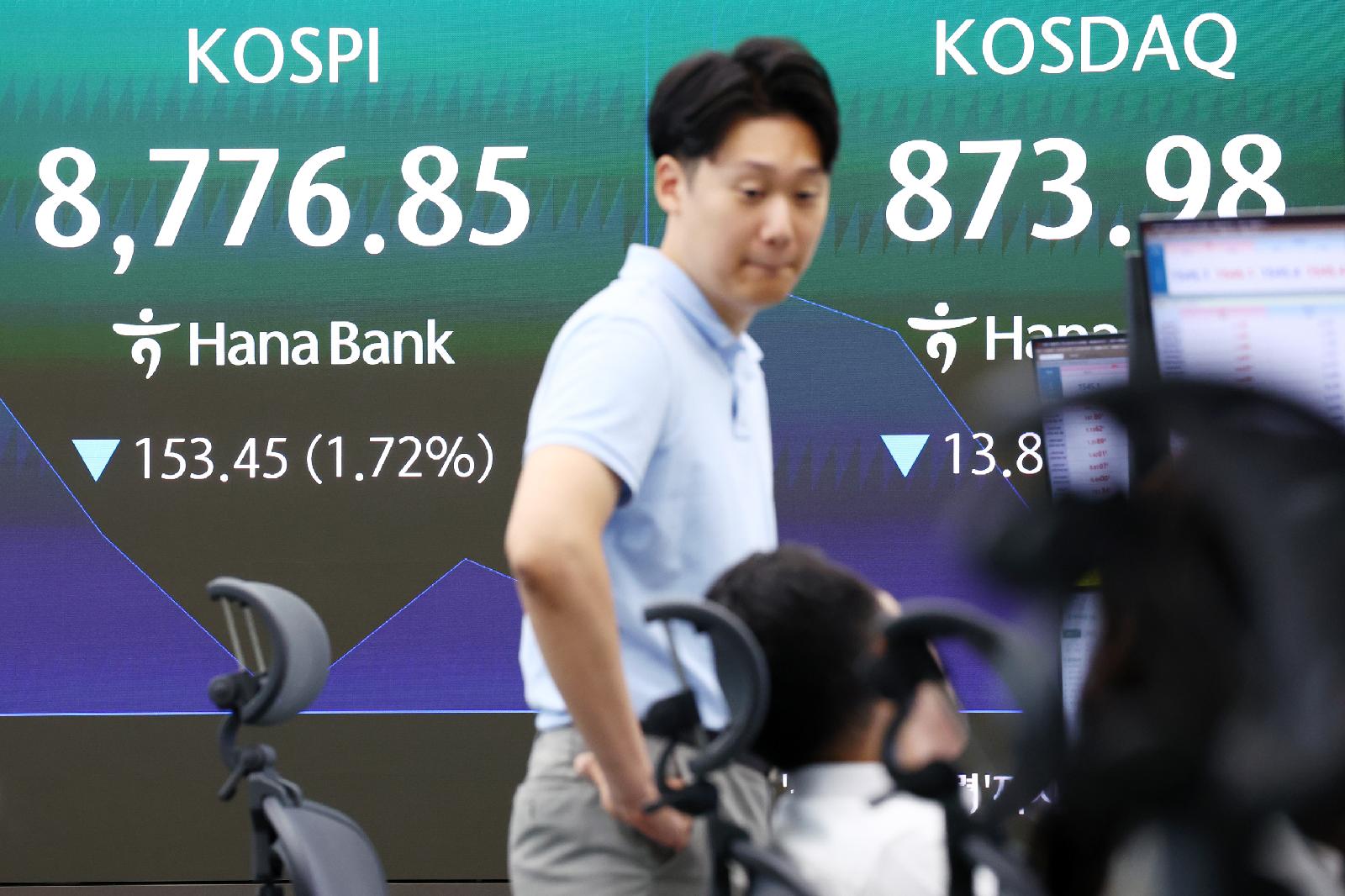
KOSPI Plunges More Than 8%, Circuit Breaker Halts Main Board Trading
The KOSPI dropped more than 8% intraday, forcing a temporary halt in main board trading. A sell-side sidecar had already been activated earlier in the session before the decline deepened. The move sharply raised volatility across Korean equities and index-linked products. Market attention now turns to whether institutional and foreign selling eases after tra
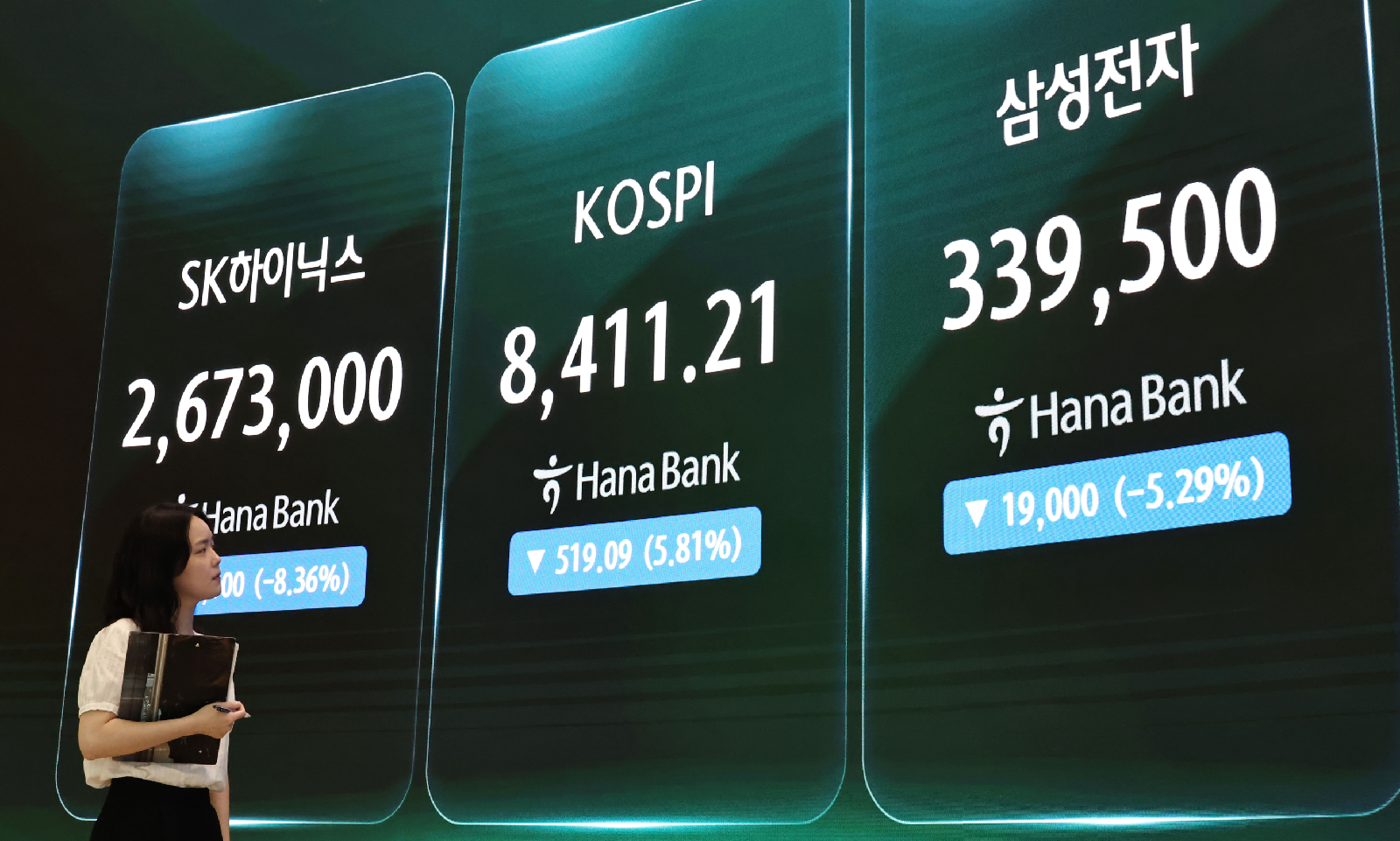
KOSPI tumbles 5.81% to 8,411.21 as AI investment slowdown fears hit Seoul stocks
The KOSPI closed at 8,411.21 on the 26th, down 519.09 points from the previous session. A 5.81% drop reflected rising risk aversion tied to concerns that the AI investment cycle may slow. Large-cap technology and growth stocks led the selloff. Investors are now focused on earnings guidance and foreign fund flows.