SK Hynix Jumps Over 10% as Institutional Buying Lifts KOSPI Back Above 8,000
SK Hynix led a powerful rebound in Korean equities on July 3 with a double-digit gain. Samsung Electronics and SK Hynix rose about 8% to 10%, putting semiconductors at the center of the KOSPI recovery. Institutional investors added roughly 4.4 trillion won net, helping the index close back above 8,000.
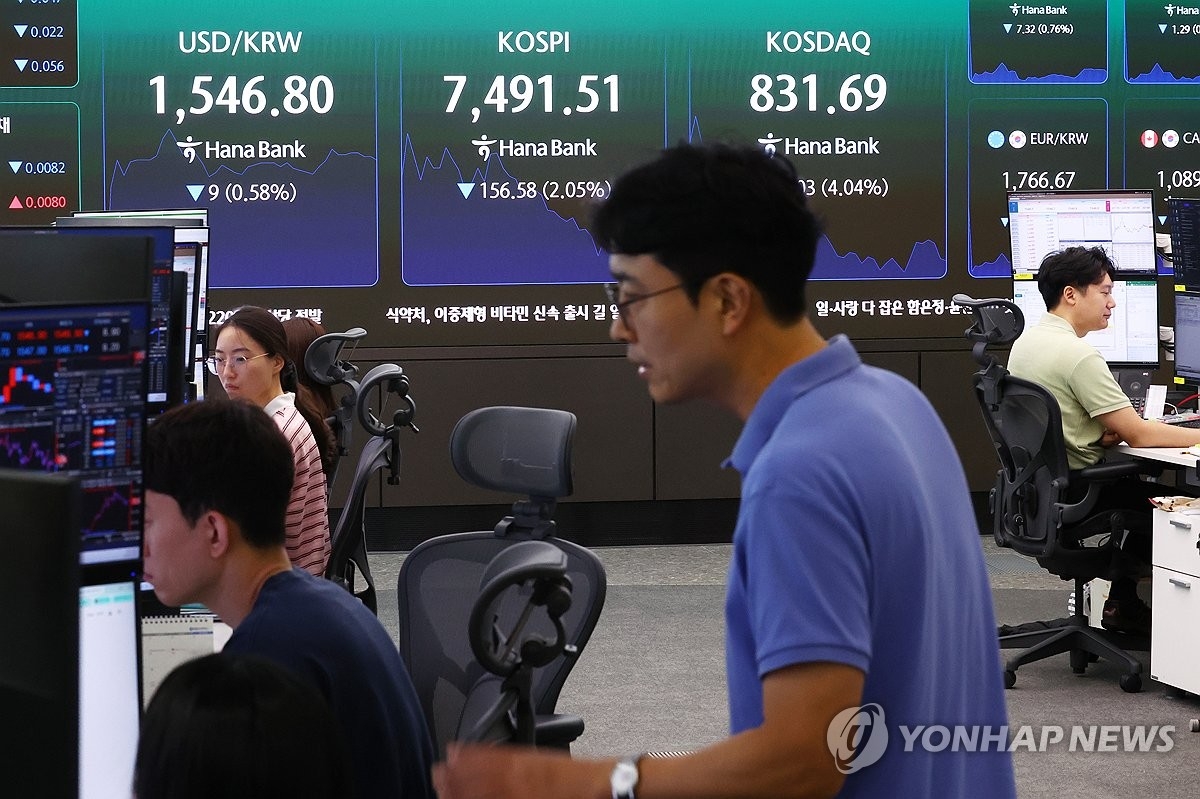
SK Hynix surged more than 10% on July 3 and became the clearest driver of the KOSPI rebound. Heavy institutional buying returned to large-cap semiconductor shares after a recent pullback, sending both Samsung Electronics and SK Hynix up roughly 8% to 10%. The KOSPI closed back above the 8,000 mark as investors moved quickly to rebuild exposure to Korea’s most influential export sector.
Chip Stocks Led the Recovery
Semiconductors defined the session. SK Hynix attracted strong buying as expectations for high-bandwidth memory and server memory demand resurfaced. Samsung Electronics also advanced, and the combined move by Korea’s two chip bellwethers lifted the broader market. Because these names carry heavy index weight, their rebound translated directly into KOSPI strength.
Institutions Bought 4.4 Trillion Won Net
Institutional investors recorded net purchases in the 4.4 trillion won range, equal to 44,000 billion won. That scale points to more than a short-term bounce in one stock. It showed a broader shift back toward risk assets, led by semiconductors. Within Korea’s daily price-limit framework, a 10%-plus move in SK Hynix is a major one-day rally for a large-cap stock.
Market Impact and Outlook
The session confirmed that chip stocks remain the central engine of Korea’s equity market. For domestic investors, the next test is whether the KOSPI can hold above 8,000 with continued support from earnings expectations, memory pricing, AI server demand, exports and the won-dollar exchange rate. The rebound is strong, but a durable trend will require follow-through in both fundamentals and institutional flows.
Key points
- SK Hynix led a powerful rebound in Korean equities on July 3 with a double-digit gain. Samsung Electronics and SK Hynix rose about 8% to 10%, putting semiconductors at the center of the KOSPI recovery. Institutional investors added roughly 4.4 trillion won net, helping the index close back above 8,000.
- Use the body and FAQ context before acting on this update.
- Compare with related issues inside the category hub.
FAQ
Why did SK Hynix surge?
The stock rebounded on bargain hunting after recent declines and renewed expectations for a recovery in semiconductor demand.
What pushed the KOSPI back above 8,000?
Samsung Electronics and SK Hynix rose about 8% to 10%, while institutions bought roughly 4.4 trillion won net.
Does this mark a confirmed trend reversal?
It is a strong rebound, but confirmation depends on memory prices, exports, exchange rates and chip earnings expectations.
Latest stories
Semiconductor Stocks Slide as Meta AI Spending Debate Hits Market
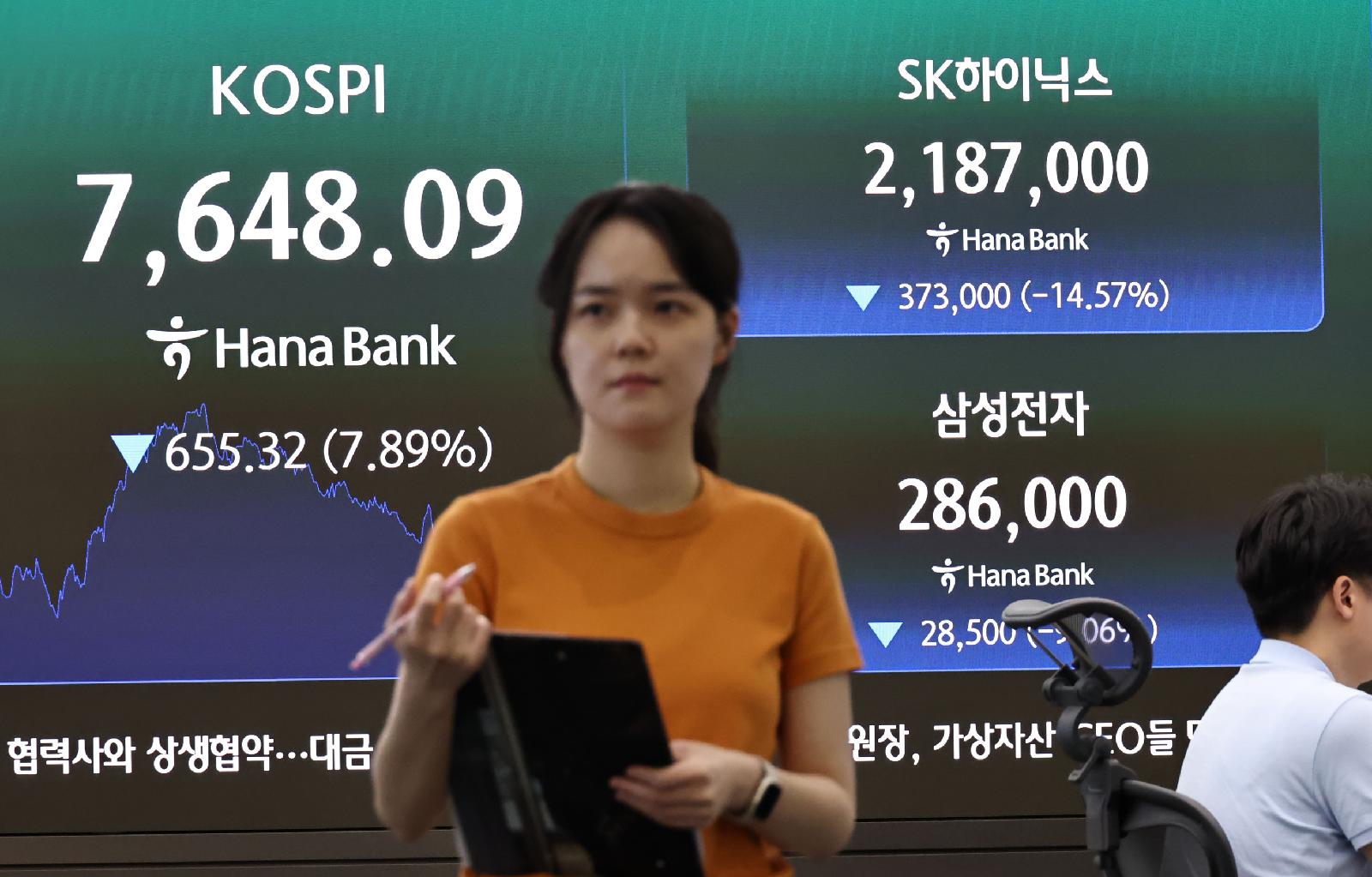
Semiconductor stocks fell sharply as Meta’s data-center and cloud ambitions revived concern that AI infrastructure spending may be running ahead of returns. The Kospi dropped 7% to close at 7,648, while SK Hynix moved toward its steepest decline in 17 years. Investors are now reassessing AI demand, memory prices and big-tech capital expenditure.
Elite Investors Rotate From Samsung Electronics to Preferred Shares on Discount Bet
The morning flow on June 29 showed a clear rotation out of Samsung Electronics common shares and into Samsung Electronics preferred shares. SK Hynix, Samsung Electronics preferred shares and Square led net buying, while Samsung Electro-Mechanics, Samsung Electronics and DB HiTek led selling. The move keeps exposure to semiconductors but adds a valuation and
Korean Auto Stocks Lag as Semiconductor Rally Draws AI-Driven Capital
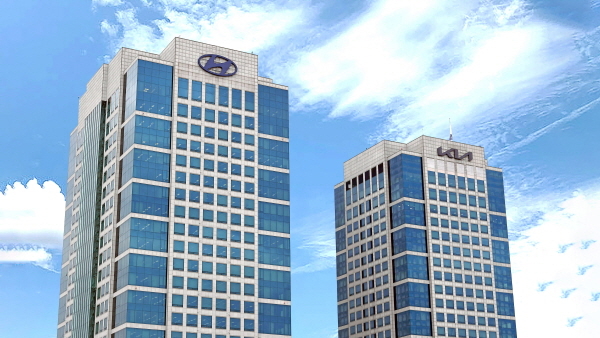
The center of Korea’s stock market rally has shifted decisively toward semiconductors. AI investment and HBM demand are pulling capital into chip leaders, while auto stocks remain sidelined. Earnings slowdown concerns, labor negotiations and cost pressures continue to limit a rebound.
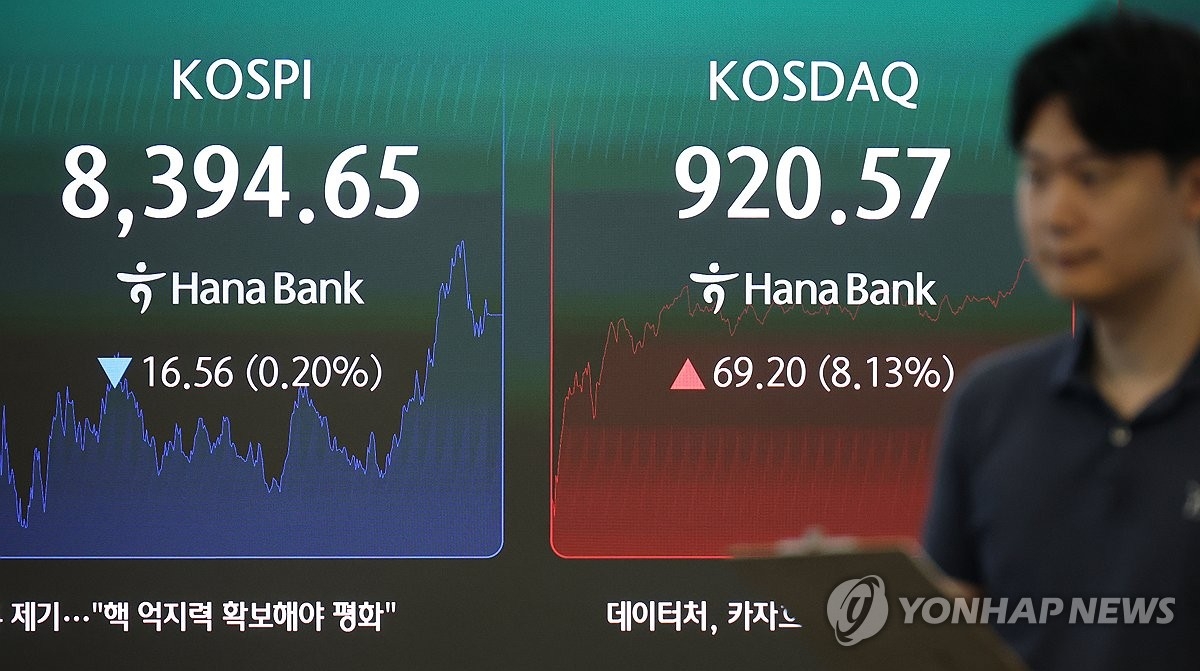
KOSPI Edges Lower as KOSDAQ Jumps 8%, Led by Batteries and Biotech
Korea’s stock market split sharply on the 29th. The KOSPI rose above 8,500 intraday but ended slightly lower near 8,300. The KOSDAQ, pressured for days, rebounded more than 8% to the 920 range as secondary battery, biotech and power shares attracted strong buying.
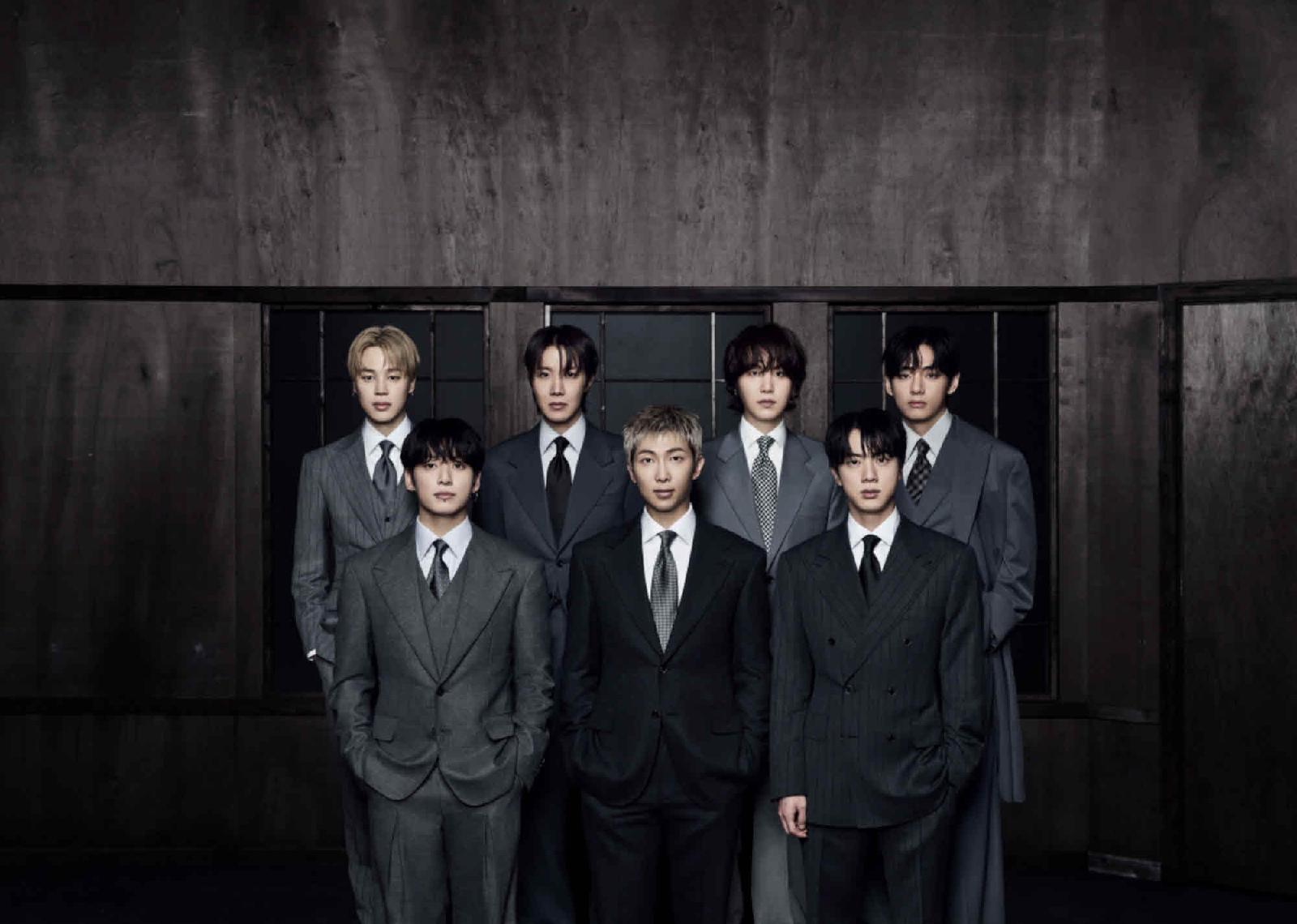
HYBE Sold After 9% Surge as Top Investors Buy Chips and Shipbuilding
Korea’s top-performing retail investors moved to sell HYBE after its sharp intraday rise on June 29. The flow pointed to profit-taking after a rapid 9% gain. Buying interest centered on Samsung Electronics, SK hynix, SK, and HD Hyundai Heavy Industries. The market preference leaned toward semiconductors and shipbuilding large caps.
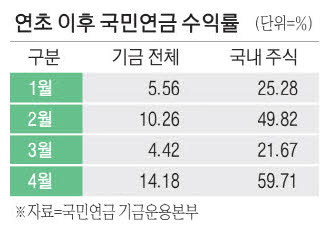
National Pension Domestic Stock Return Hits 60% as Fund Gains Reach 208 Trillion Won
Korea’s National Pension recorded a 14% total return as of the end of April 2026. Domestic equities delivered a 60% return, becoming the main driver of fund performance. Investment gains reached 208 trillion won. The Kospi’s move around 6,600 has become a key factor for pension finances and Korea’s capital market.
Memory ETF Frenzy Rides Samsung and SK Hynix to Outpace Nasdaq-100 QQQ
U.S.-listed memory ETFs have become a major AI infrastructure trade, delivering far stronger short-term performance than Nasdaq-100 ETF QQQ. Samsung Electronics, SK Hynix and Micron sit at the center of the HBM and DRAM supply chain. A leading DRAM ETF moved into the $20 billion asset range within just over two months. The trade offers precision exposure, bu
KOSDAQ Reclaims 900 as Samjeon-Nix Leverage Crowding Eases
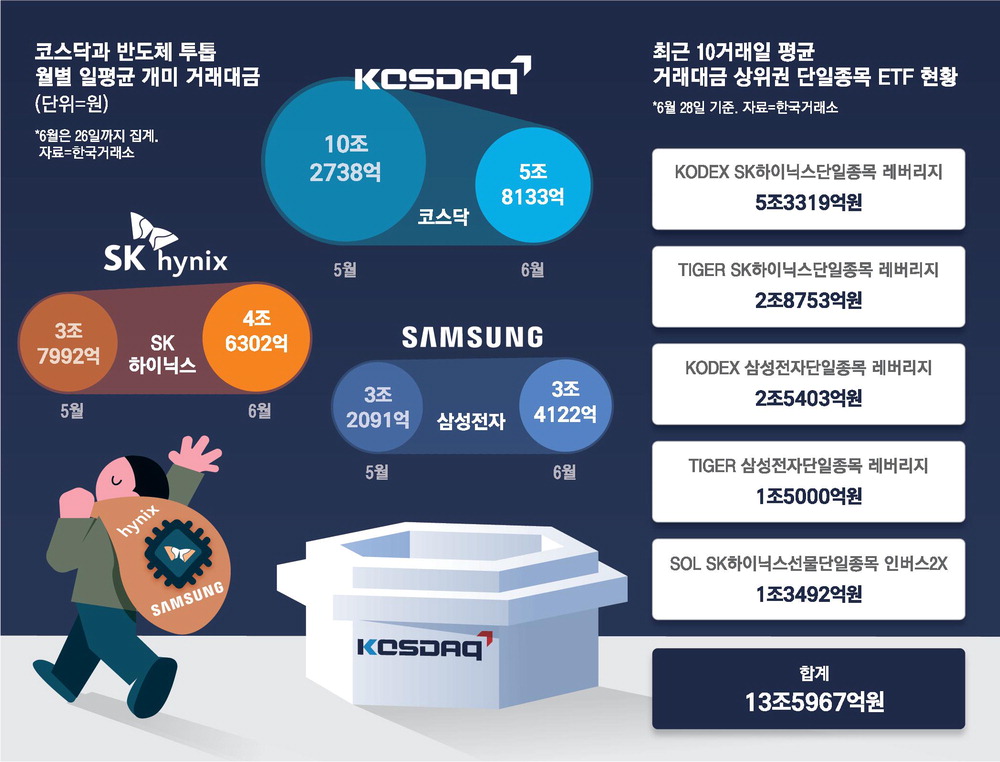
KOSDAQ regained relevance by moving back above 900. Funds that had been concentrated in Samsung Electronics, SK Hynix and a one-month-old Samjeon-Nix leveraged product spread into growth sectors. The buy-side sidecar showed renewed risk appetite, but leverage mechanics and KOSDAQ volatility remain key investor risks.