MSCI Developed-Market Gate Looms as Kospi 9000 Sets Up Korea’s 10000 Test
The Kospi has crossed 9000, but the bigger market question is whether Korea can move beyond emerging-market treatment in MSCI’s framework. The index needs roughly 11.1% more to reach 10000. Currency access, settlement rules, dividend processes and English disclosure are central to the next rerating.
Partner picks
Relevant partner links for this story
A lightweight commerce block designed to add monetization without breaking reading flow.
Good fit for Korea-based visitors ready to buy.
View offerWorks well for price-sensitive gadget and desk-tool traffic.
View offerUseful for books, work tools, and international shoppers.
View offerAdvertisement
This module may include affiliate links that earn a commission from qualifying purchases. 글로벌스톡펄스
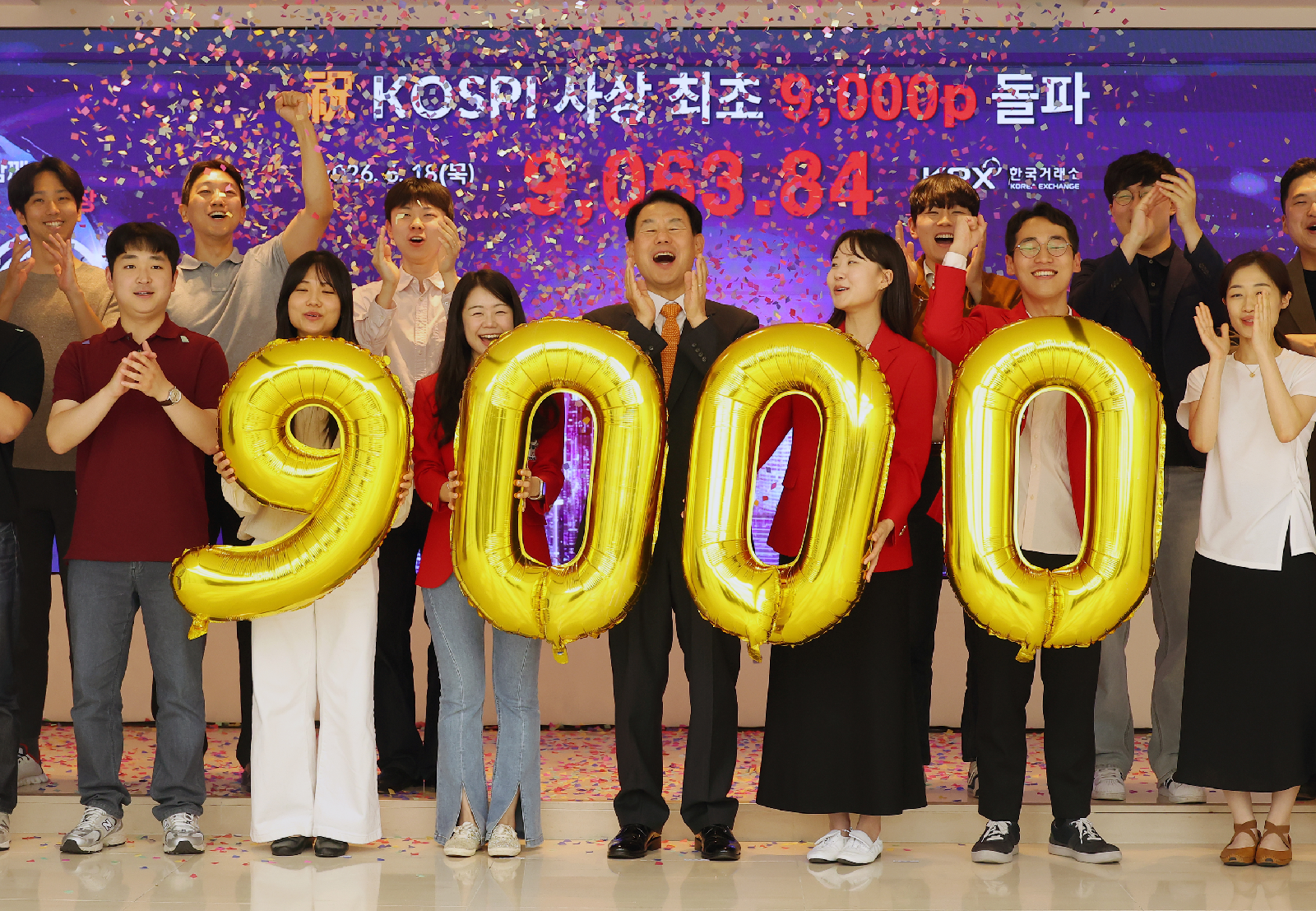
The Kospi’s move above 9000 marks a new scale for Korean equities, but the route to 10000 depends less on celebration and more on MSCI’s developed-market gate. Global investors are judging whether Korea is easy to trade, hedge and settle, and whether corporate information is accessible enough for long-term allocations.
The Question After 9000
From 9000 to 10000, the index needs another 1000 points, or about 11.1%. A 10% pullback would take it near 8100, so upside and volatility now sit together. The market is asking whether the rally has institutional support, not just price momentum. Korea has high-income industries, global semiconductor leaders, batteries, platforms and banks, yet it still carries emerging-market treatment in MSCI allocation structures.
Why MSCI Matters
MSCI classification affects passive funds, pensions and global mandates. A developed-market upgrade could lower Korea’s risk premium and broaden long-term foreign demand. The key tests are won market access, foreign investor procedures, settlement infrastructure, dividend timing and wider English disclosure. If reforms keep moving, foreign capital and domestic pension products may reinforce the next leg. If the upgrade is delayed, Kospi 9000 must be justified mainly by earnings growth and shareholder returns.
Partner picks
Relevant partner links for this story
A lightweight commerce block designed to add monetization without breaking reading flow.
Good fit for Korea-based visitors ready to buy.
View offerWorks well for price-sensitive gadget and desk-tool traffic.
View offerUseful for books, work tools, and international shoppers.
View offerAdvertisement
This module may include affiliate links that earn a commission from qualifying purchases. 글로벌스톡펄스
Key points
- The Kospi has crossed 9000, but the bigger market question is whether Korea can move beyond emerging-market treatment in MSCI’s framework. The index needs roughly 11.1% more to reach 10000. Currency access, settlement rules, dividend processes and English disclosure are central to the next rerating.
- Use the body and FAQ context before acting on this update.
- Compare with related issues inside the category hub.
FAQ
What is the key issue after the Kospi reached 9000?
The key issue is whether Korea can advance toward MSCI developed-market status, which could affect long-term foreign inflows.
How much must the Kospi rise from 9000 to 10000?
It needs 1000 points, equal to about 11.1%.
Why does MSCI classification matter to investors?
It influences benchmark funds, pension mandates, risk premiums and demand for Korean equities.
Related stories
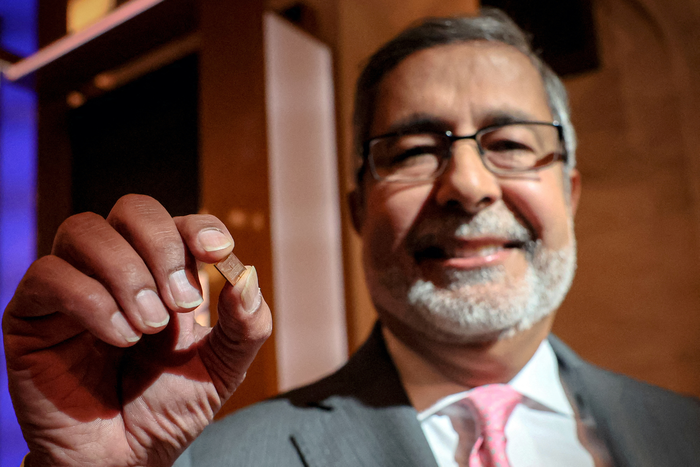
Semiconductor Stocks Face Key Week as SK Hynix ADR Hopes and Micron Earnings Set the Tone
Korean equities are focused on whether semiconductor stocks can extend their rally. SK Hynix’s expected U.S. ADR approval and Micron’s June 24 earnings are the immediate catalysts. Korea’s MSCI inclusion debate may also influence foreign flows and the valuation of won-denominated assets.

Coinone Eyes Stocks Inside Crypto Exchange With 80 Billion Won Alliance Plan
Coinone is preparing to broaden its crypto exchange into a stock-investing touchpoint. CEO Cha Myung-hun, a white-hat hacker founder who also works directly on AI coding, is targeting a stable double-digit trading share this year. The exchange also aims to reach 1 million monthly users by year-end.
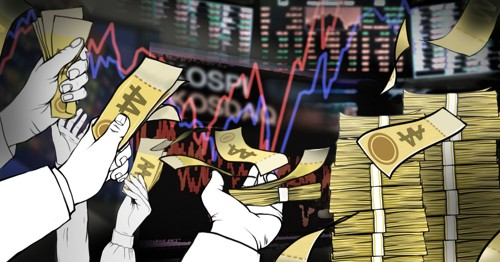
Penny Stock Delisting Risk Hits 219 Korean Firms as Rule Nears
Korea’s penny stock market is facing a major test as a new delisting rule tied to shares below 1,000 won approaches. The risk group totals 219 companies, including 148 Kosdaq and 42 Kospi stocks. Up to 8 trillion won in market value could be affected, raising concern among retail investors.
Partner picks
Relevant partner links for this story
A lightweight commerce block designed to add monetization without breaking reading flow.
Good fit for Korea-based visitors ready to buy.
View offerWorks well for price-sensitive gadget and desk-tool traffic.
View offerUseful for books, work tools, and international shoppers.
View offerAdvertisement
This module may include affiliate links that earn a commission from qualifying purchases. 글로벌스톡펄스