Nikkei 225 Closes Above 72,000 for First Time as Japan Rally Extends
The Nikkei 225 closed above 72,000 for the first time after eight consecutive gains. Semiconductor equipment makers, exporters and large manufacturers led the move. For Korean investors, yen exposure, Korea-listed Japan ETFs and allocation between Kospi and Japanese equities now matter more.
Partner picks
Relevant partner links for this story
A lightweight commerce block designed to add monetization without breaking reading flow.
Advertisement
This module may include affiliate links that earn a commission from qualifying purchases. 글로벌스톡펄스
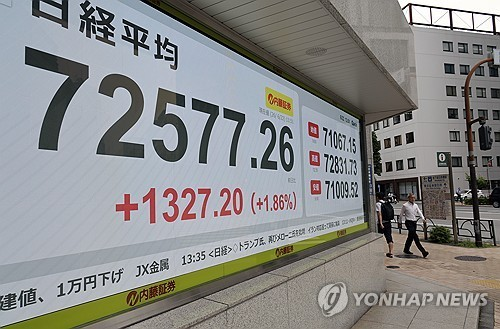
The Nikkei 225 closed above 72,000 for the first time on the 22nd, extending its winning streak to eight sessions. The move marks more than a short rebound. It signals a broader revaluation of Japan’s equity market as global investors increase exposure to large, liquid Japanese companies.
Why 72,000 Matters
The Nikkei 225 tracks 225 major Japanese stocks and is one of Asia’s most watched equity benchmarks. The eight-day advance shows that buying pressure has been persistent rather than limited to a single session. Semiconductor equipment, electronics, autos and precision machinery shares were central to the rise. Improved shareholder returns, pressure for better capital efficiency and expectations for firmer domestic demand also supported the index.
Impact for Korean Investors
For Korean investors, the headline index level is only part of the story. Returns from Japanese shares or Nikkei 225 ETFs depend on both yen-based performance and the won-yen exchange rate. If the yen weakens against the won, won-denominated gains can be reduced even when Japanese stocks rise. Korea-listed Japan ETFs trade in won, but their underlying assets are Japanese equities, so investors should check currency hedging, fees, tracking gaps and tax treatment.
Outlook for Asian Markets
The rally creates a fresh benchmark for the Kospi. Korea has benefited from semiconductor strength and shareholder-return expectations, while Japan is drawing support from governance reform, exporter earnings and global manufacturing recovery hopes. After eight straight gains, profit-taking risk has increased. Still, if earnings expectations hold and appetite for risk assets remains intact, Japanese equities are likely to stay in focus.
Partner picks
Relevant partner links for this story
A lightweight commerce block designed to add monetization without breaking reading flow.
Advertisement
This module may include affiliate links that earn a commission from qualifying purchases. 글로벌스톡펄스
Key points
- The Nikkei 225 closed above 72,000 for the first time after eight consecutive gains. Semiconductor equipment makers, exporters and large manufacturers led the move. For Korean investors, yen exposure, Korea-listed Japan ETFs and allocation between Kospi and Japanese equities now matter more.
- Use the body and FAQ context before acting on this update.
- Compare with related issues inside the category hub.
FAQ
When did the Nikkei 225 move above 72,000?
It closed above 72,000 for the first time on the 22nd after rising for eight straight trading days.
Why does the Nikkei 225 rally matter to Korean investors?
Japanese stock returns for Korean investors are affected by index gains, the won-yen exchange rate, ETF hedging, fees and taxes.
Can the rally continue?
It can continue if earnings expectations and risk appetite remain firm, but short-term profit-taking risk has risen after eight consecutive gains.
Related stories
Single-Stock 2x ETFs Face Scrutiny as Korea Regulator Warns on Broker Gains
Korea’s single-stock 2x ETFs tied to Samsung Electronics and SK hynix have drawn a sharp regulatory warning. FSS Governor Lee Chan-jin sees a structure that benefits brokerages more reliably than retail investors. Daily 2x leverage can magnify both gains and losses. Sales practices and risk disclosures in Korea’s ETF market are likely to face closer review.
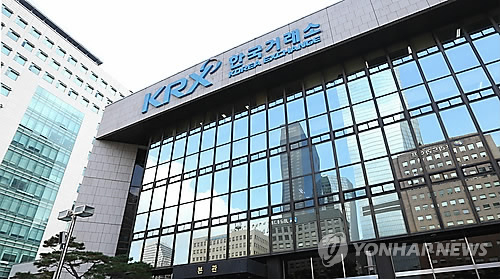
KOSDAQ Value-Up Guideline Set for July, Tied to Tier Review and Special Listings
The KOSDAQ value-up program enters a new phase in July. The guideline reflects growth-stage companies, technology-special listing structures and mid-cap market realities. With disclosures covering only 31% by market capitalization, tier reviews and special listing maintenance are expected to become key incentives.
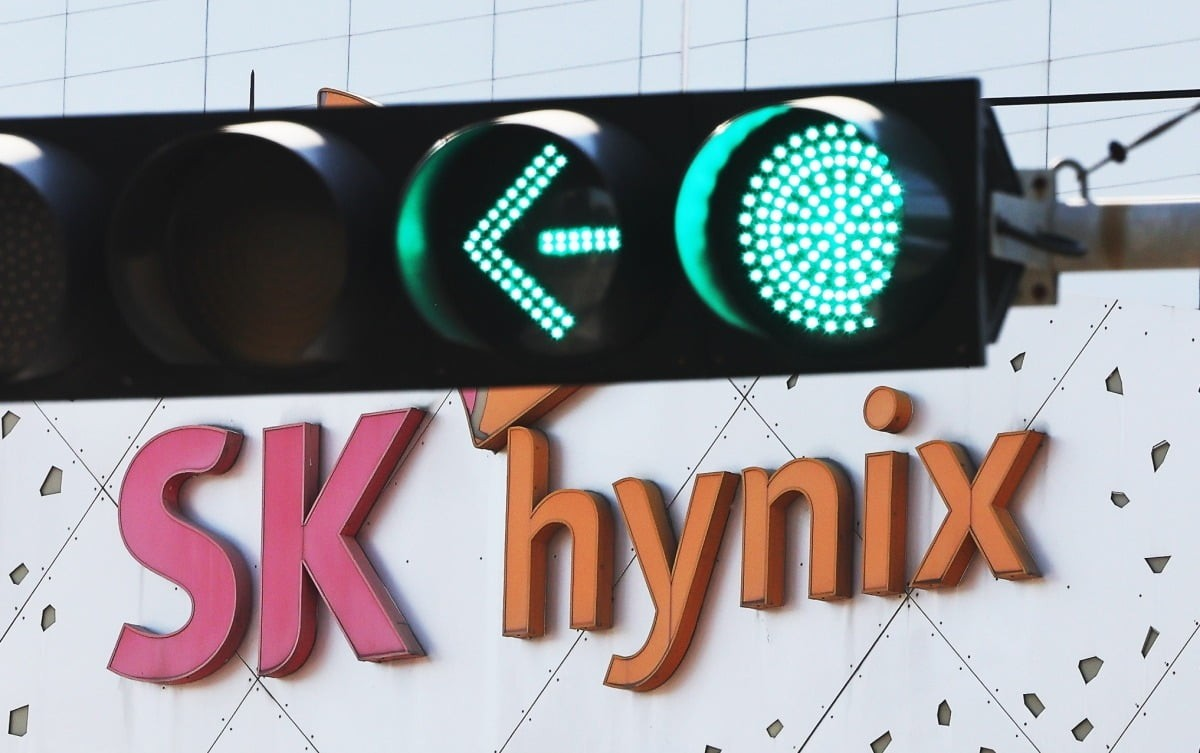
SK Hynix Overtakes Samsung Electronics to Become KOSPI's Top Market-Cap Stock
SK Hynix became the largest KOSPI stock by market capitalization at 12:50 p.m. KST on June 22, 2026. It was the first time the company moved above Samsung Electronics in the ranking. AI semiconductors and high-bandwidth memory demand drove a sharp reassessment of won-denominated value. Investors are watching index weights, passive flows and the durability of
Partner picks
Relevant partner links for this story
A lightweight commerce block designed to add monetization without breaking reading flow.
Advertisement
This module may include affiliate links that earn a commission from qualifying purchases. 글로벌스톡펄스