HYBE Sold After 9% Surge as Top Investors Buy Chips and Shipbuilding
Korea’s top-performing retail investors moved to sell HYBE after its sharp intraday rise on June 29. The flow pointed to profit-taking after a rapid 9% gain. Buying interest centered on Samsung Electronics, SK hynix, SK, and HD Hyundai Heavy Industries. The market preference leaned toward semiconductors and shipbuilding large caps.
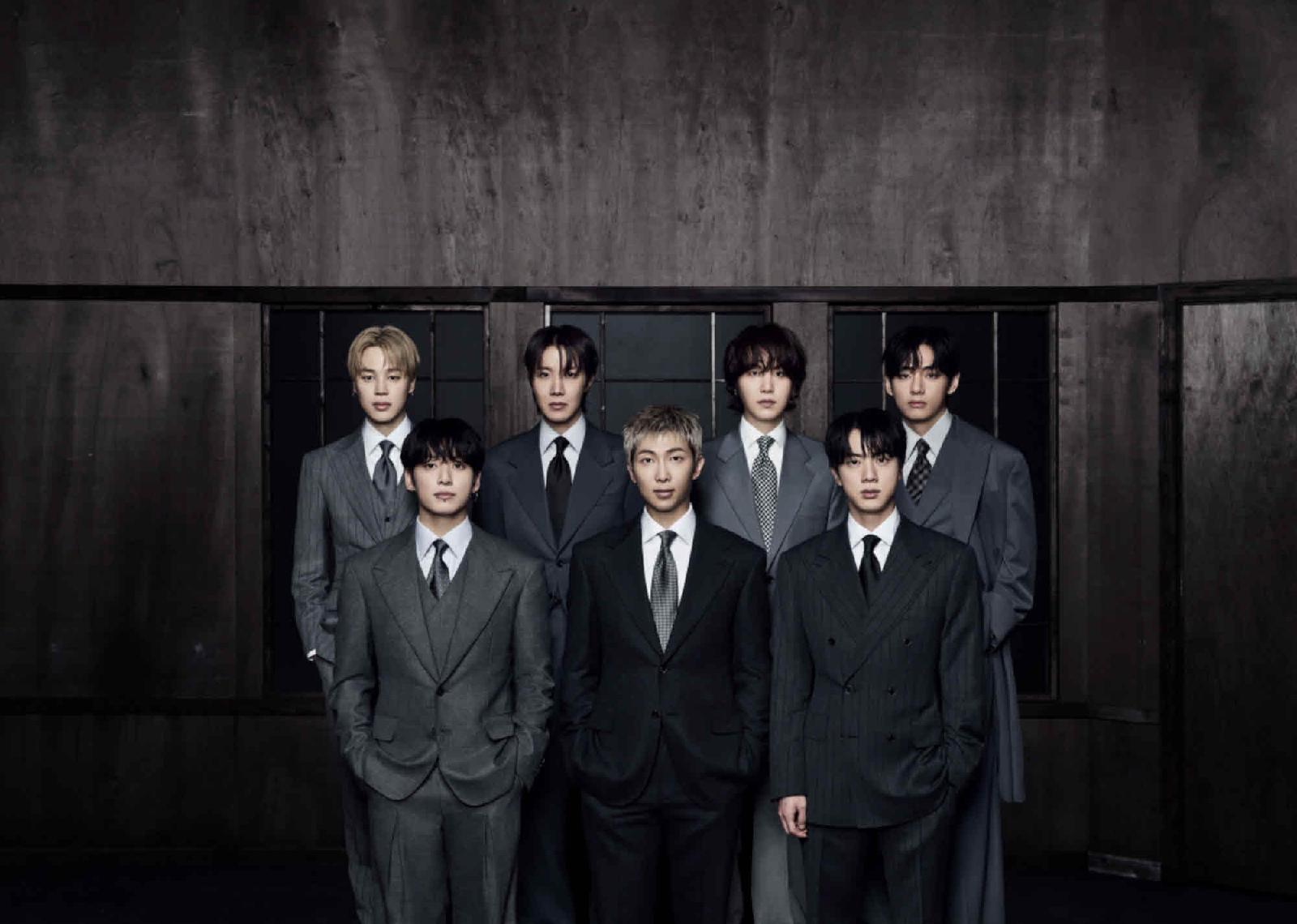
Top stock investors in Korea sold HYBE on the afternoon of June 29 after the entertainment stock rose about 9%, while adding semiconductor and shipbuilding large caps. The trading pattern showed a clear split: profit-taking in a fast-rising entertainment name and selective buying in sectors tied to earnings recovery and global demand.
Profit-Taking in HYBE
HYBE posted a strong intraday gain of around 9%, but it still appeared among the net-sell names for top investors. The move suggests that experienced traders chose to lock in gains rather than chase the rally. Entertainment stocks often reflect expectations for artist schedules, album sales, concerts, and platform revenue quickly, making them vulnerable to selling once optimism is priced in.
Samsung Electro-Mechanics and DB HiTek also stood on the sell side. Samsung Electro-Mechanics still carries demand recovery expectations, but short-term valuation pressure was visible. DB HiTek faced mixed flows despite broader hopes for a semiconductor cycle recovery.
Buying Focus on Chips and Shipbuilding
Net buying centered on Samsung Electronics, SK hynix, SK, and HD Hyundai Heavy Industries. Samsung Electronics and SK hynix drew attention from demand tied to AI servers, high-bandwidth memory, and a recovery in memory prices. As Korea’s largest market-cap stocks, their flows also influence the broader KOSPI direction.
HD Hyundai Heavy Industries benefited from expectations for ship orders, offshore projects, defense-related demand, and higher-value vessels. Shipbuilders can also gain attention when a weaker won improves export profitability. SK reflected interest in holding-company value, portfolio restructuring, and exposure to semiconductors, energy, and bio assets.
What Investors Should Watch
This flow shows that top investors are separating short-term price spikes from sector momentum. The HYBE selling looks more like profit-taking after a surge than a negative call on the company. The buying in chips and shipbuilding points to positioning for earnings visibility, export recovery, and global capital spending.
Retail investors should not treat net-buy and net-sell lists as automatic trading signals. Price level, earnings outlook, currency moves, and foreign investor flows matter. Stocks up 9% in a session can become volatile after good news is priced in. Semiconductor large caps are highly sensitive to global tech sentiment, while shipbuilders depend on order backlog, costs, and delivery schedules.
Key points
- Korea’s top-performing retail investors moved to sell HYBE after its sharp intraday rise on June 29. The flow pointed to profit-taking after a rapid 9% gain. Buying interest centered on Samsung Electronics, SK hynix, SK, and HD Hyundai Heavy Industries. The market preference leaned toward semiconductors and shipbuilding large caps.
- Use the body and FAQ context before acting on this update.
- Compare with related issues inside the category hub.
FAQ
Why did top investors sell HYBE?
HYBE rose about 9% intraday, creating room for short-term profit-taking. The selling appears more tied to locking in gains than to a clear deterioration in fundamentals.
Which stocks did top investors buy on June 29?
Samsung Electronics, SK hynix, SK, and HD Hyundai Heavy Industries stood out on the buy side, with demand focused on semiconductors and shipbuilding.
How should retail investors read this flow?
They should consider price level, earnings visibility, currency trends, and foreign flows rather than using the list as a simple buy-or-sell signal.
Latest stories
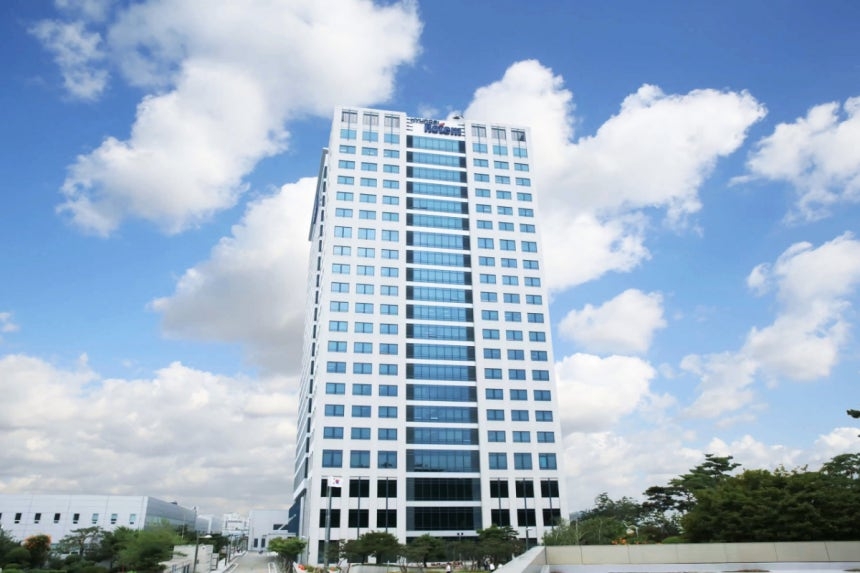
Hyundai Rotem Valuation Lowest Among Korea Defense Five as Q2 Meets Views
Hyundai Rotem is drawing attention for having the lowest relative valuation among Korea’s five leading defense companies. Second-quarter results are expected to match market expectations. The existing target-price reference is 283,000 won, with orders, delivery timing and margins driving the investment case.
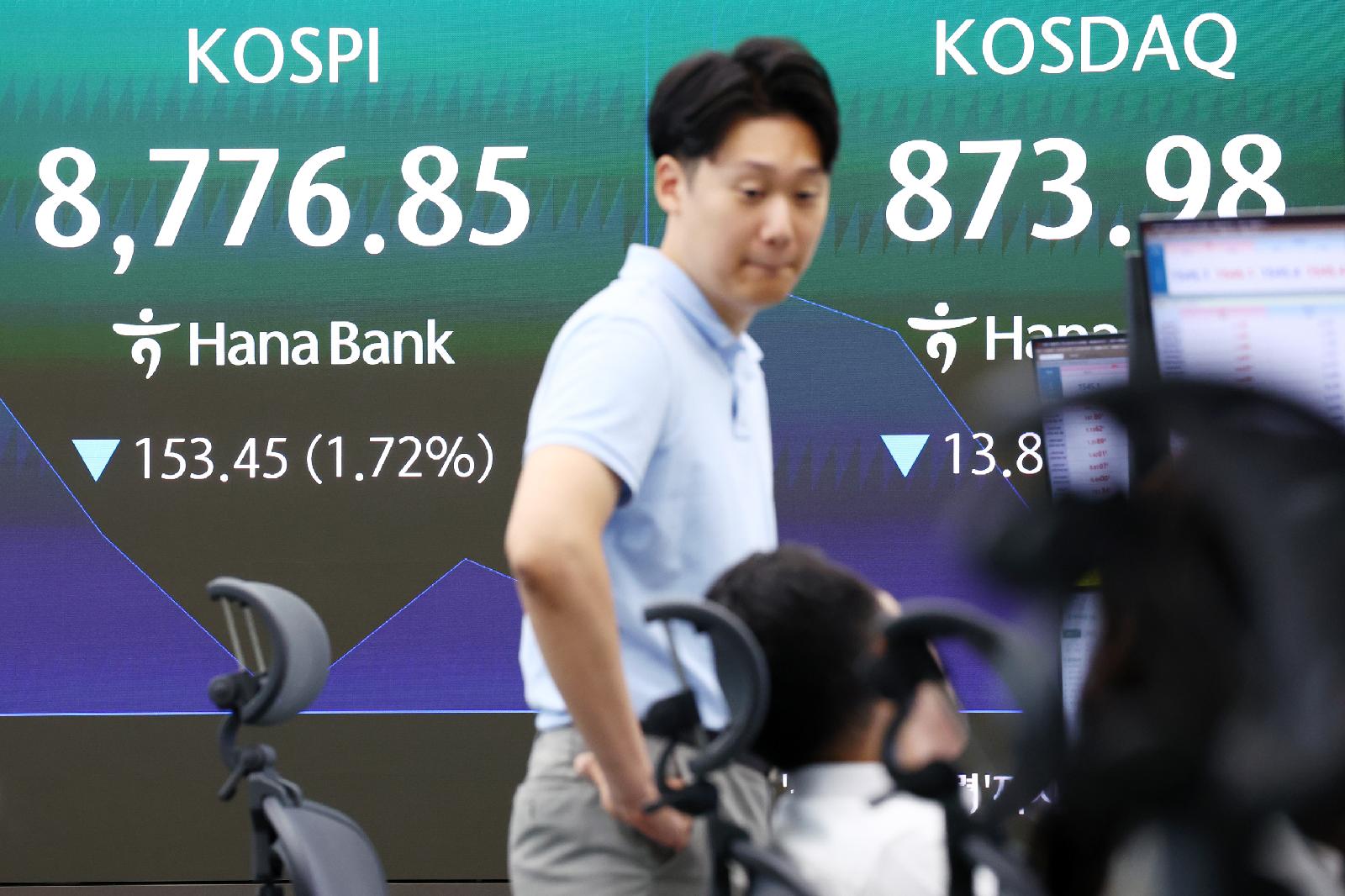
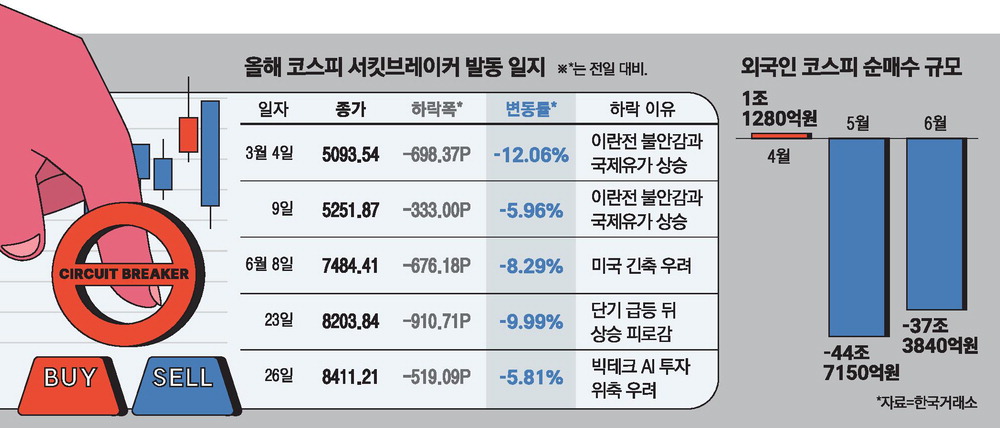
KOSPI Plunges More Than 8%, Circuit Breaker Halts Main Board Trading
The KOSPI dropped more than 8% intraday, forcing a temporary halt in main board trading. A sell-side sidecar had already been activated earlier in the session before the decline deepened. The move sharply raised volatility across Korean equities and index-linked products. Market attention now turns to whether institutional and foreign selling eases after tra
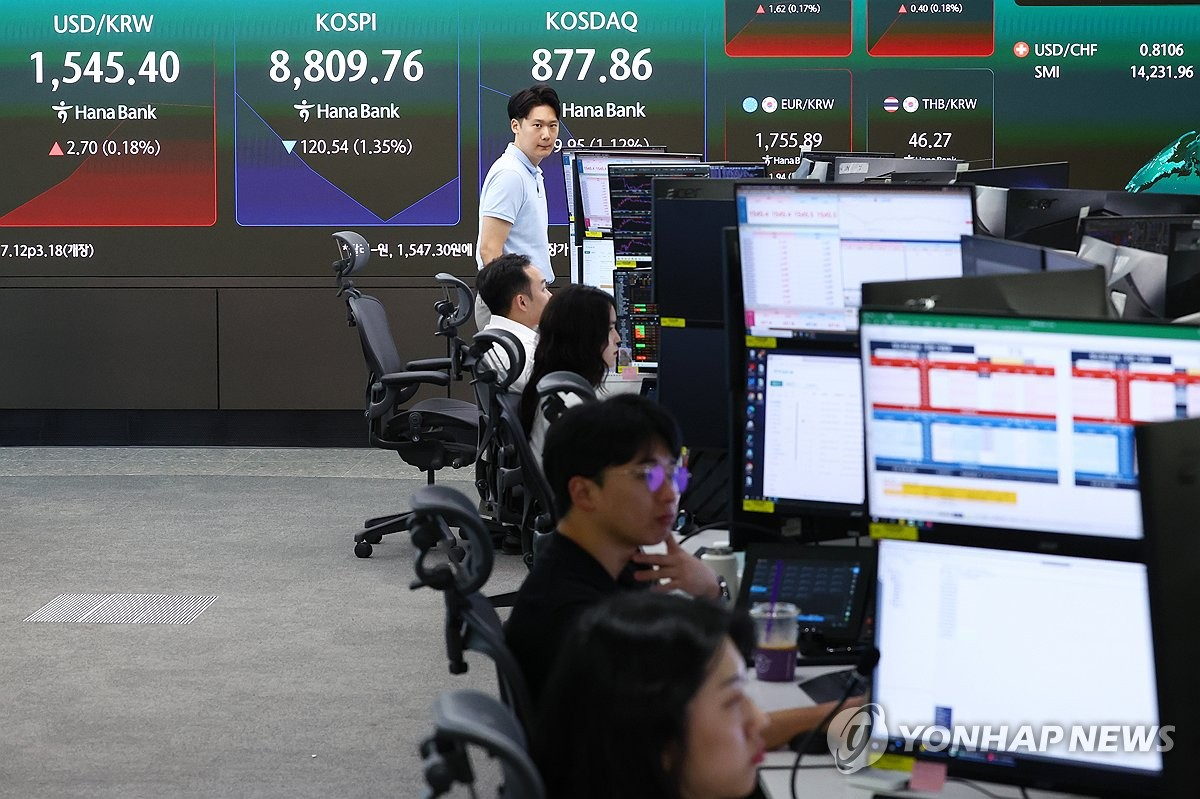
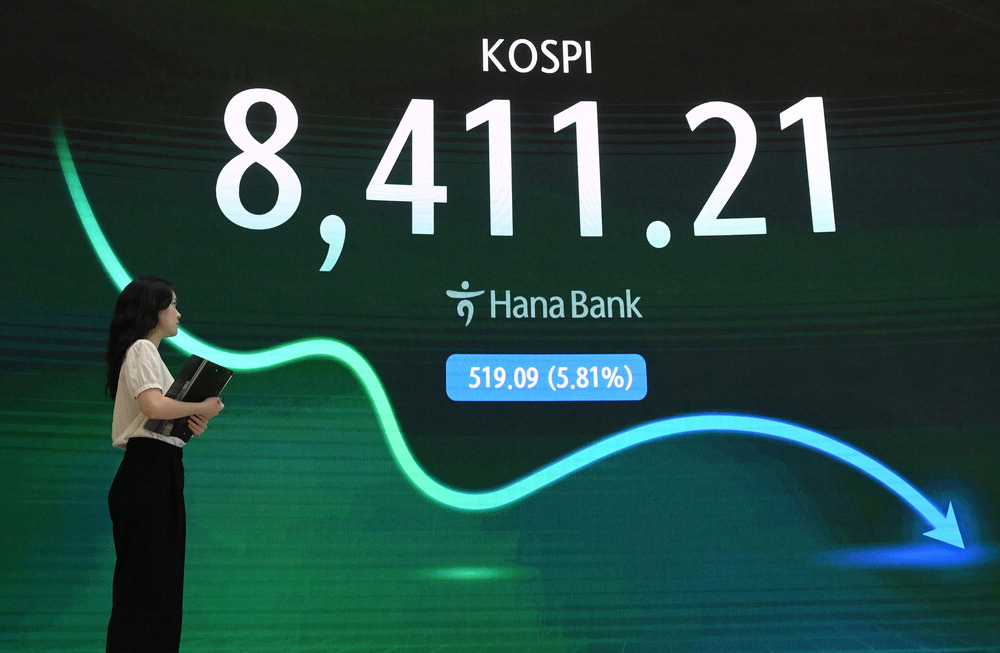
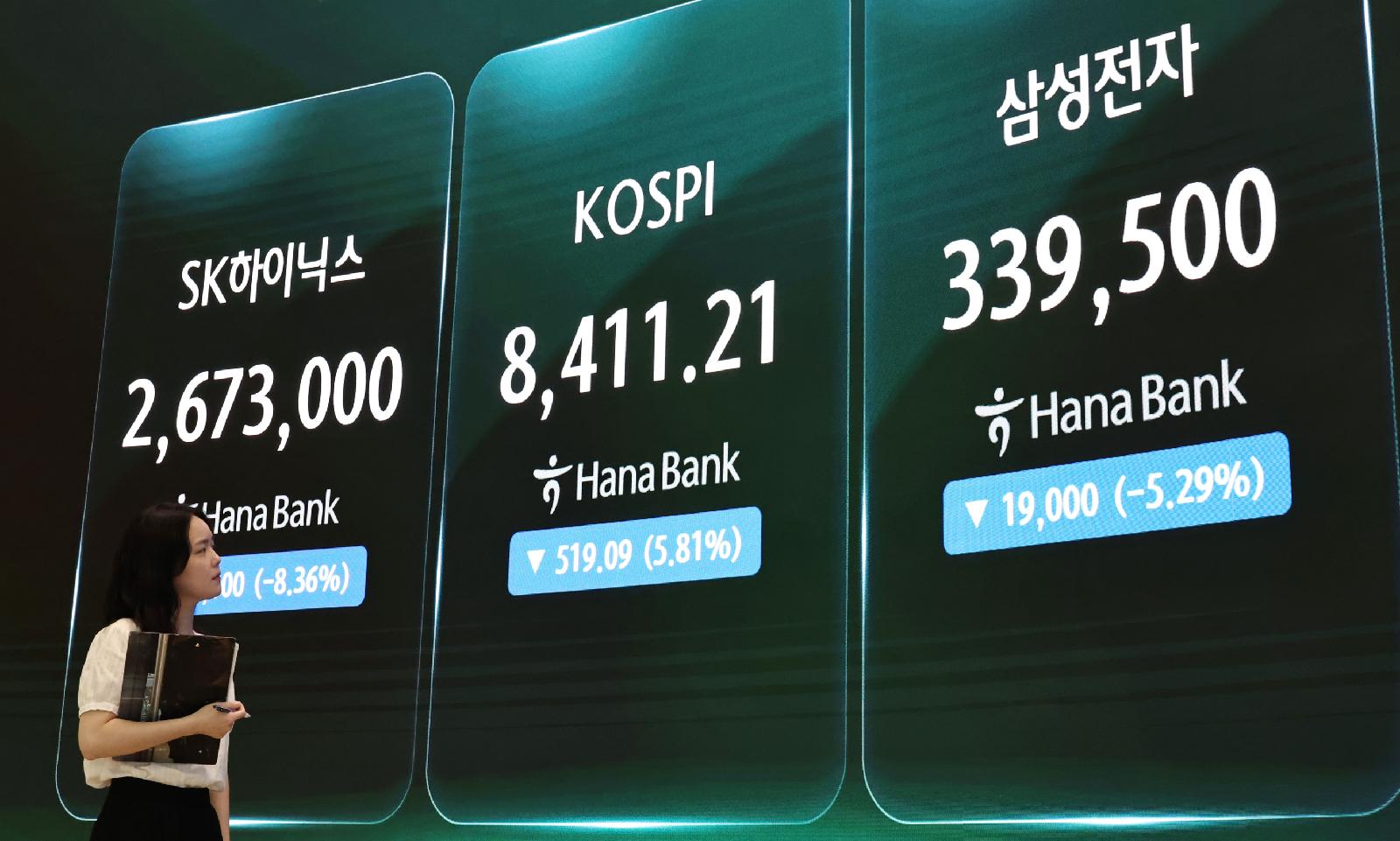
KOSPI tumbles 5.81% to 8,411.21 as AI investment slowdown fears hit Seoul stocks
The KOSPI closed at 8,411.21 on the 26th, down 519.09 points from the previous session. A 5.81% drop reflected rising risk aversion tied to concerns that the AI investment cycle may slow. Large-cap technology and growth stocks led the selloff. Investors are now focused on earnings guidance and foreign fund flows.
KOSPI retreats to 8,400 as foreign and institutional selling revives circuit-breaker fears
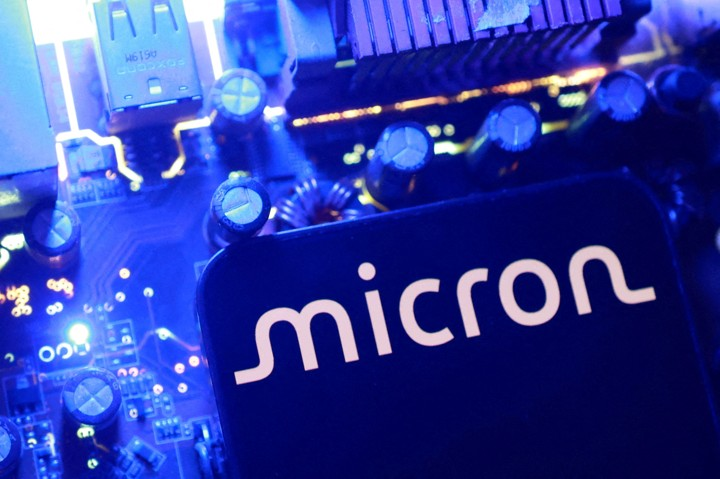
The KOSPI retreated to the 8,400 level on the 26th under simultaneous selling by foreign and institutional investors. The previous day’s gain of more than 5%, fueled by Micron’s surprise earnings, quickly lost momentum. Semiconductor optimism remained, but profit-taking and risk aversion revived circuit-breaker concerns.
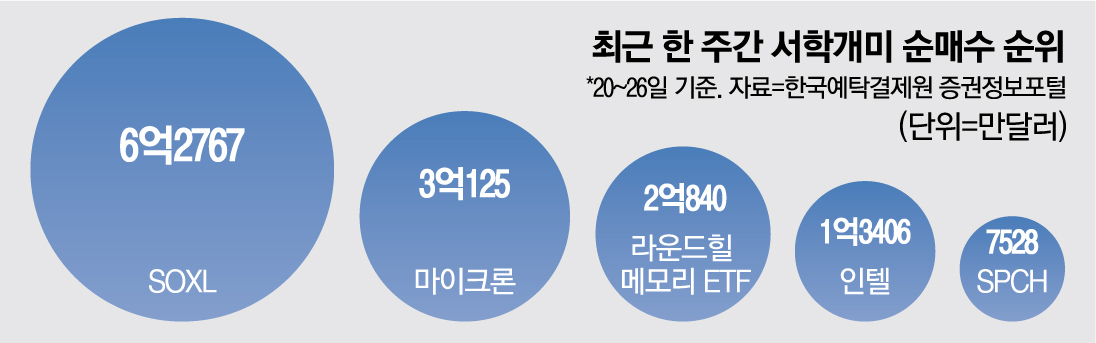
Korean Retail Investors Rush Into 3x Chip ETFs and Micron
Korean overseas-stock investors used the latest semiconductor pullback to build risk-on positions. Capital flowed into 3x leveraged chip ETFs, Micron and memory-focused funds. Currency swings and leverage decay remain key risks for won-based investors.
Korean Retail Investors Exit SpaceX Gains and Return to 3x AI Chip Bets
Korean retail money is rotating from space growth exposure back into AI semiconductors. About $70 million in SpaceX-related holdings was sold, while weekly buying of SOXL reached around 1 trillion won. The move highlights renewed appetite for high-risk leveraged chip trades.
KOSPI Sinks as AI Investment Fears and Apple Price Hike Rattle Memory Demand
The KOSPI dropped nearly 6% on the 26th under heavy selling by foreign and institutional investors. Apple’s expected product price increases raised concerns that consumer replacement demand could slow, pressuring memory semiconductor orders. Korean chip and technology shares now face renewed valuation pressure tied to AI investment expectations.
KOSPI 150x and Samsung-SK Hynix 50x Leverage Ignite Korean Stock Futures Debate
Highly leveraged Korean equity futures have put investor protection back in focus. KOSPI-linked products can reach 150x leverage, while Samsung Electronics and SK Hynix products can reach 50x. Domestic investors appear to be using overseas access routes as semiconductor optimism fuels speculative demand.