KOSPI Breaks 7,000 as SK Hynix Falls 15%, Triggering Seventh 2026 Halt
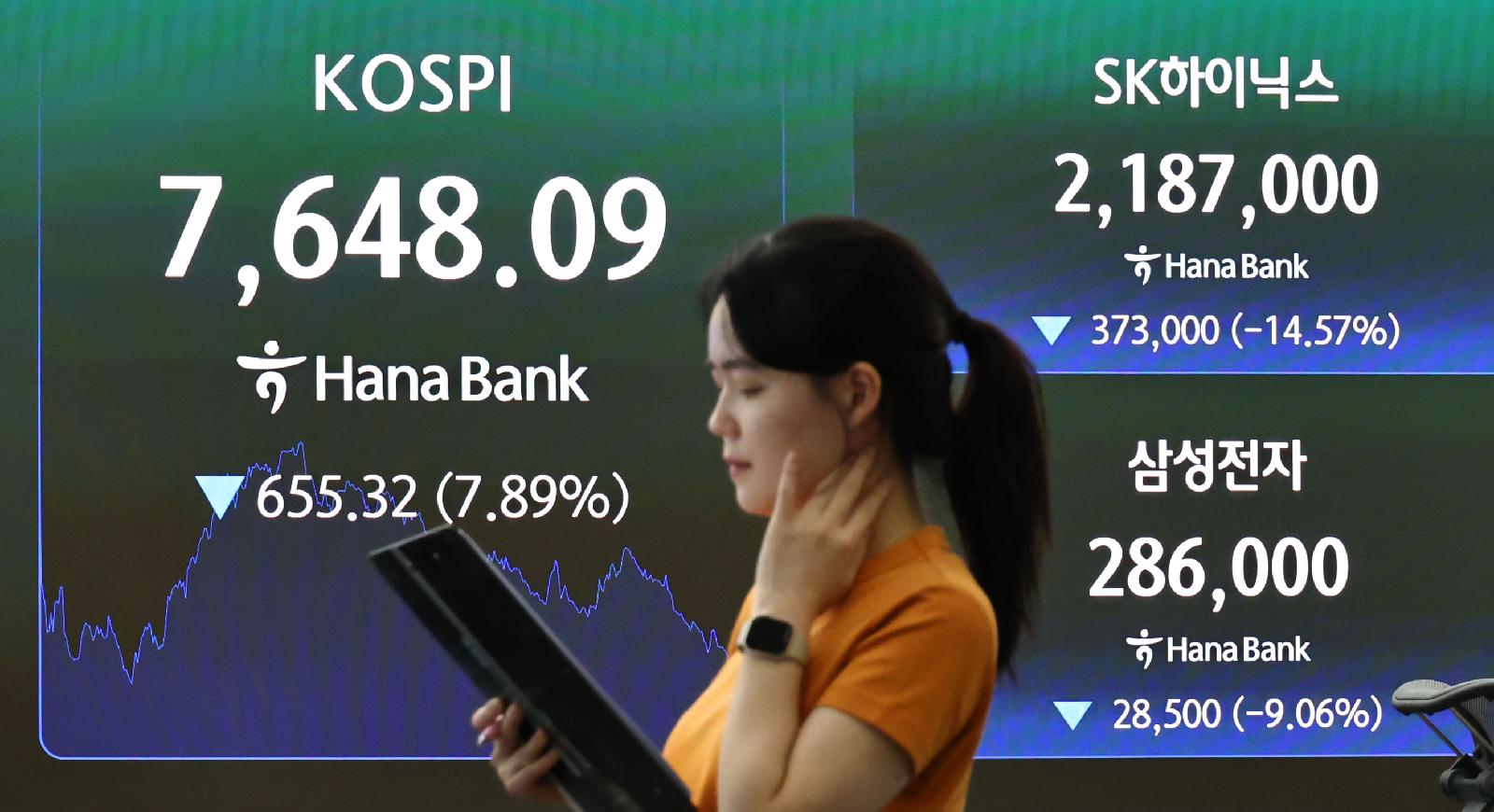
The KOSPI sank nearly 9% on July 13, losing the 7,000 line after about two months. SK Hynix fell around 15%, dropping below 2 million won as second-quarter earnings expectations weakened. Heavy selling in chip shares triggered the seventh circuit breaker of the year. Retail investors face higher risks from margin debt and leveraged ETFs.
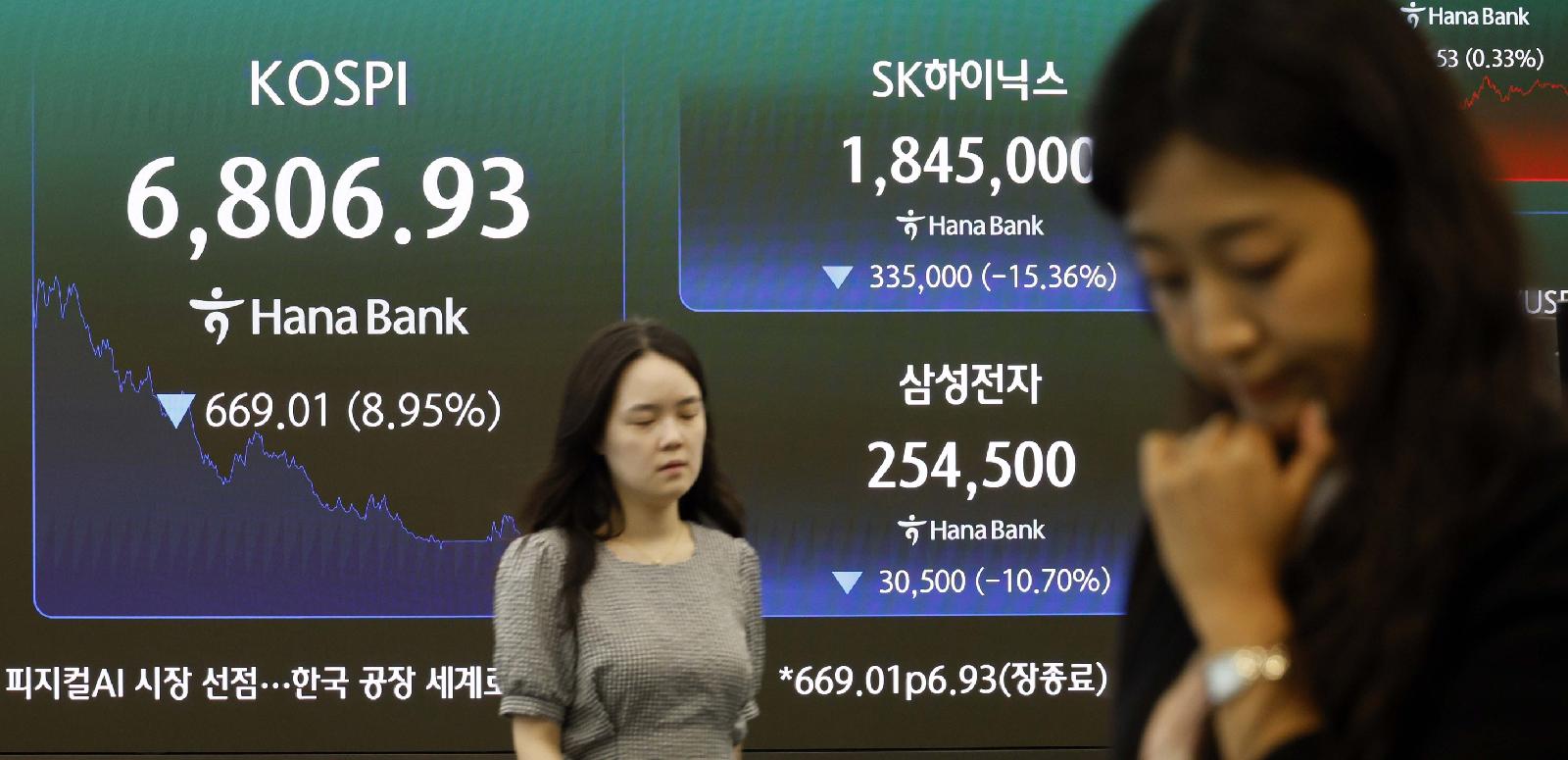
The KOSPI fell nearly 9% in the July 13 regular session, breaking below 7,000 for the first time in about two months. The move was more than a one-day pullback. It reflected pressure from stretched AI semiconductor valuations, a lower second-quarter earnings outlook for SK Hynix, and forced selling in leveraged positions. Selling centered on large chip stocks, and the index decline triggered South Korea’s seventh circuit breaker of the year.
SK Hynix Led the Shock
SK Hynix stood at the center of the fall. The stock dropped around 15% and lost the 2 million won level, implying a one-day mark-to-market loss of roughly 300,000 won per share. Lower earnings expectations made investors question how much AI memory demand was already priced in. Because SK Hynix carries heavy weight in KOSPI market value and trading flows, one stock’s fall pulled the broader electronics sector lower.
What It Means for Investors
The 7,000 line had become a psychological marker for Korean equities. Its break affects direct stock holdings, retirement accounts, pension savings, and domestic equity funds. A circuit breaker temporarily halts trading when the market falls sharply, giving prices time to reset. The next signal is whether SK Hynix results, AI memory demand, and foreign and institutional flows can stabilize. Until then, margin calls, leveraged ETFs, and chip earnings sensitivity remain the main risks.
Key points
- The KOSPI sank nearly 9% on July 13, losing the 7,000 line after about two months. SK Hynix fell around 15%, dropping below 2 million won as second-quarter earnings expectations weakened. Heavy selling in chip shares triggered the seventh circuit breaker of the year. Retail investors face higher risks from margin debt and leveraged ETFs.
- Use the body and FAQ context before acting on this update.
- Compare with related issues inside the category hub.
FAQ
Why did the KOSPI fall below 7,000?
The decline was driven by SK Hynix’s sharp fall, weaker second-quarter earnings expectations, AI chip valuation pressure, and leveraged selling.
What does a circuit breaker do?
It temporarily halts market trading after a rapid index drop, giving investors time for price discovery and order adjustment.
What should retail investors check first?
They should review margin exposure, leveraged ETF losses, possible forced selling, and earnings sensitivity in chip holdings.
Latest stories
KOSPI at 8,000 Still Looks Cheap as Korea’s Low-PBR Stocks Face a Test
The KOSPI has entered a powerful long-term rally, but the broader Korean market is not uniformly expensive. Semiconductor giants have lifted the index, while many listed companies still trade below book value. Firms without a credible growth path face pressure to return capital through dividends and buybacks. Korea’s next re-rating will depend on shareholder
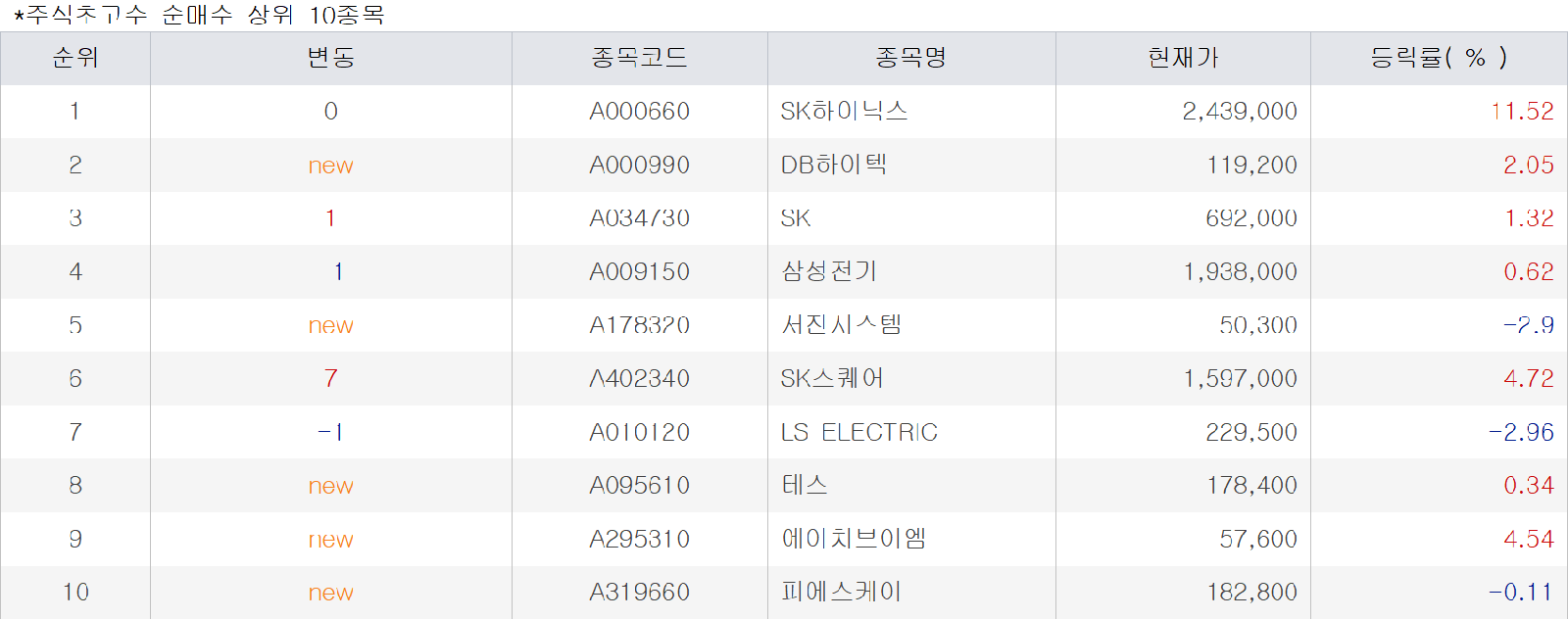
SK hynix draws elite investor buying as perceived value leads Korea chip trade
As of 2:30 p.m. on July 3, top 1% return investors were buying SK hynix most aggressively. DB HiTek also ranked among favored purchases, extending interest across chip stocks. Samsung Electronics led net selling but still rose, showing a split in semiconductor flows.
SK Hynix Jumps Over 10% as Institutional Buying Lifts KOSPI Back Above 8,000
SK Hynix led a powerful rebound in Korean equities on July 3 with a double-digit gain. Samsung Electronics and SK Hynix rose about 8% to 10%, putting semiconductors at the center of the KOSPI recovery. Institutional investors added roughly 4.4 trillion won net, helping the index close back above 8,000.
Meta neocloud review shakes chip stocks as SK Hynix buyers watch rebound
Meta’s review of a neocloud business has shaken Korean semiconductor sentiment. Investors who bought SK Hynix near 290,000 won are watching for a rebound, while Samsung Electronics holders are reassessing memory demand. The key question is whether idle compute sales slow new server investment or coexist with AI infrastructure expansion.
RWA Tokenization Gains Ground as 68% of Asian Investors Already Hold Assets
RWA tokenization is no longer a fringe digital-asset theme in Asia. Sixty-eight percent of high-net-worth and professional investors already hold tokenized real-world assets. About seven in ten are also willing to invest in tokenized stocks, raising pressure on market infrastructure and regulation.

Semiconductor Stocks Brake as Meta Cloud Plan Revives AI Peak-Out Fear
Meta's cloud business review triggered a reassessment of global semiconductor valuations. The key issue is whether available data-center compute points to slower AI server investment. GPU, HBM, foundry and advanced packaging names came under pressure, with Samsung Electronics and SK hynix central to Korea's market response.
AI concentration cuts double-bagger stocks by 32% as Korea’s rally narrows
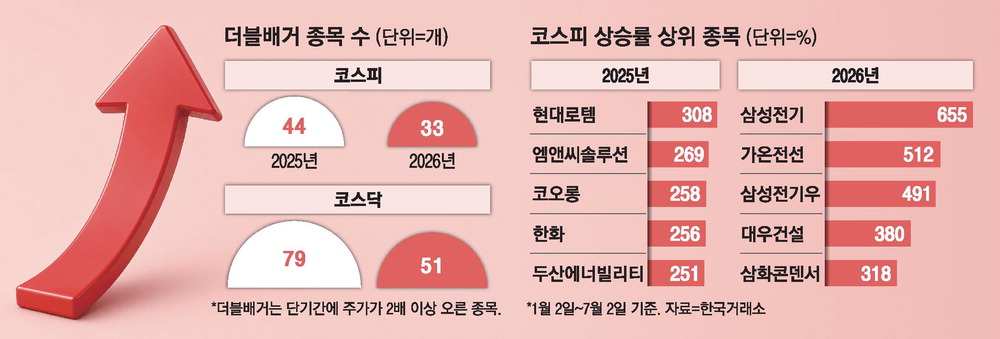
Korea’s 2026 stock rally has become narrower. The number of double-bagger stocks, or shares that rose more than 100%, is down 32% from the same period last year. Buying has centered on AI semiconductors, power infrastructure and data-center supply chains, leaving many non-AI sectors behind. Investors now need to weigh earnings visibility, valuation and won-b

KOSDAQ delisting drive accelerates as about 50 exits loom this year
KOSDAQ is moving into a sharper cleanup phase in its 30th year. Companies failing to meet market-capitalization requirements are the main focus. Around 50 firms may be delisted before year-end. Investors in illiquid and low-cap names need to check trading suspension and forced exit risks.