CXMT IPO nears as China’s DRAM giant lifts STAR50 momentum
CXMT, China’s largest DRAM maker, is becoming the central catalyst for the STAR Market. The STAR50 index has jumped 75% in three months as expectations build around semiconductor self-sufficiency. The company’s valuation is being discussed at roughly 554 trillion won. For Korean investors, the key question is how this changes the memory rivalry with Samsung
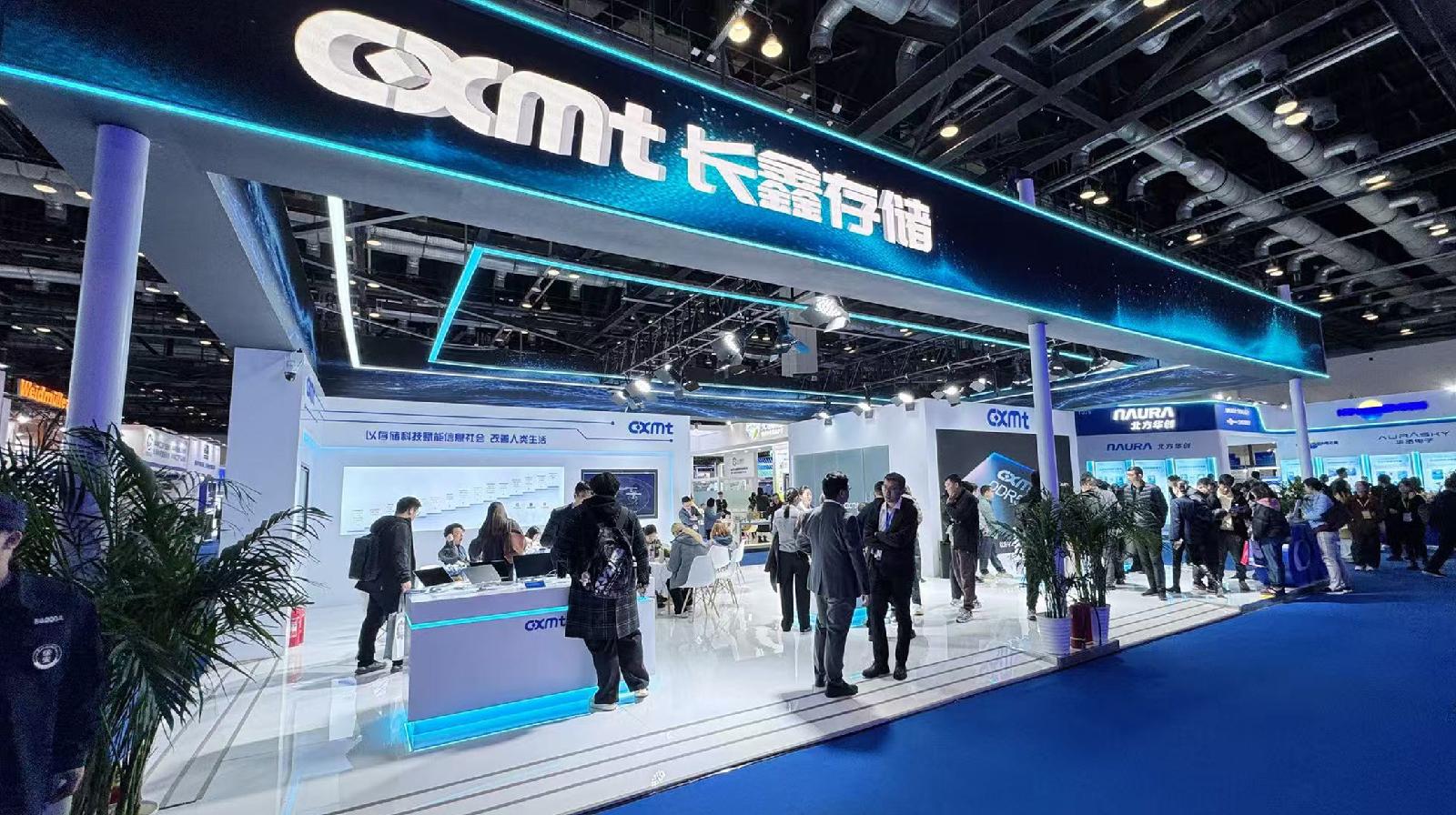
CXMT’s planned listing has become the biggest semiconductor event in China’s equity market. ChangXin Memory Technologies, China’s largest DRAM producer, is preparing for a mega IPO, and investors are treating it as a symbol of China’s memory-chip self-reliance. Its expected valuation is being discussed at around 554 trillion won, a scale large enough to draw attention across global chip markets.
Capital Rushes Into STAR Market
The first reaction has appeared on the STAR Market, often described as China’s Nasdaq-style technology board. Its benchmark STAR50 index has climbed 75% in three months. The move reflects more than a short rebound. Capital is rotating into chipmakers, equipment firms, materials suppliers and design houses tied to China’s semiconductor supply chain.
CXMT built its position around DRAM. The global memory market has long been led by Samsung Electronics, SK hynix and Micron, but China has been expanding production through domestic demand and policy support. CXMT’s IPO is therefore more than fundraising. It gives public markets a chance to price China’s memory supply chain at scale.
What the Numbers Mean
The two key figures are 554 trillion won and 75%. The valuation shows how much expectation is attached to China’s DRAM industry. The STAR50 rally shows investors have already moved ahead of the listing. After the IPO, however, performance, yield, technology progress and the pace of gap-closing will face closer scrutiny.
For Korea, the main issue is memory pricing and competitive pressure. Fresh capital could expand CXMT’s ability to invest in fabs and research. That may raise long-term supply competition in DRAM. At the same time, Korean companies still hold strong positions in advanced DRAM, HBM and high-value server products.
Impact on Korean Stocks
The effect reaches Samsung Electronics, SK hynix and Korean semiconductor equipment, materials and component names. Chinese investment may support some demand, but export controls, US-China restrictions and China’s preference for local sourcing remain major variables. Korean investors need to view the CXMT IPO as a structural event for global DRAM supply, not just a Chinese tech-stock story.
Key points
- CXMT, China’s largest DRAM maker, is becoming the central catalyst for the STAR Market. The STAR50 index has jumped 75% in three months as expectations build around semiconductor self-sufficiency. The company’s valuation is being discussed at roughly 554 trillion won. For Korean investors, the key question is how this changes the memory rivalry with Samsung
- Use the body and FAQ context before acting on this update.
- Compare with related issues inside the category hub.
FAQ
Why is the CXMT IPO important?
CXMT is China’s largest DRAM maker, and its expected valuation of around 554 trillion won makes the IPO a major marker for China’s semiconductor ambitions.
How much has the STAR50 index risen?
The STAR50 index has gained about 75% over three months amid expectations for CXMT’s listing and stronger semiconductor investment sentiment.
How could this affect Korean chipmakers?
A successful IPO could give CXMT more capital for fabs and R&D, increasing long-term DRAM competition with Samsung Electronics and SK hynix.
Latest stories
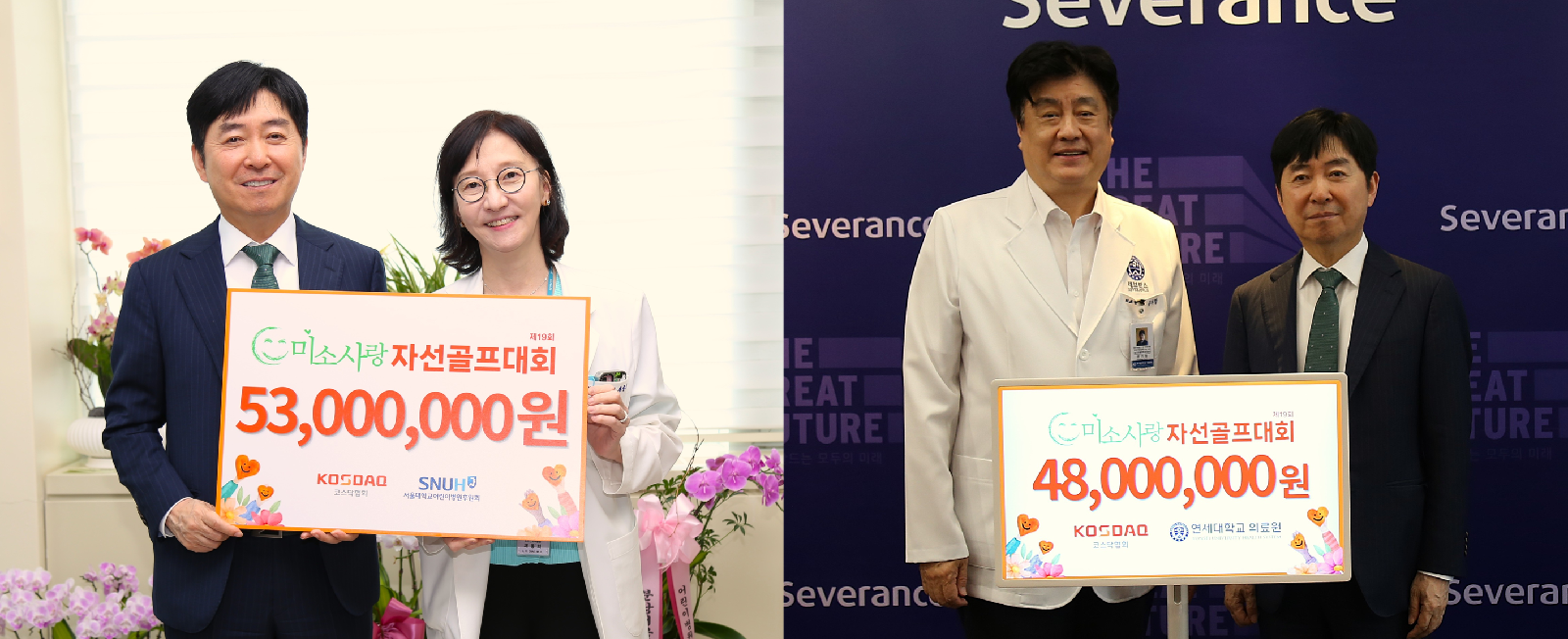
Kosdaq Association Donates 371 Million Won to Support Sick Children and Neighbors
The Kosdaq Association delivered 371 million won through its Miso Sarang sponsorship program. The funds will be distributed to 16 organizations supporting sick children and vulnerable neighbors. The donation highlights a broader social responsibility role for Korea’s Kosdaq-listed corporate community.
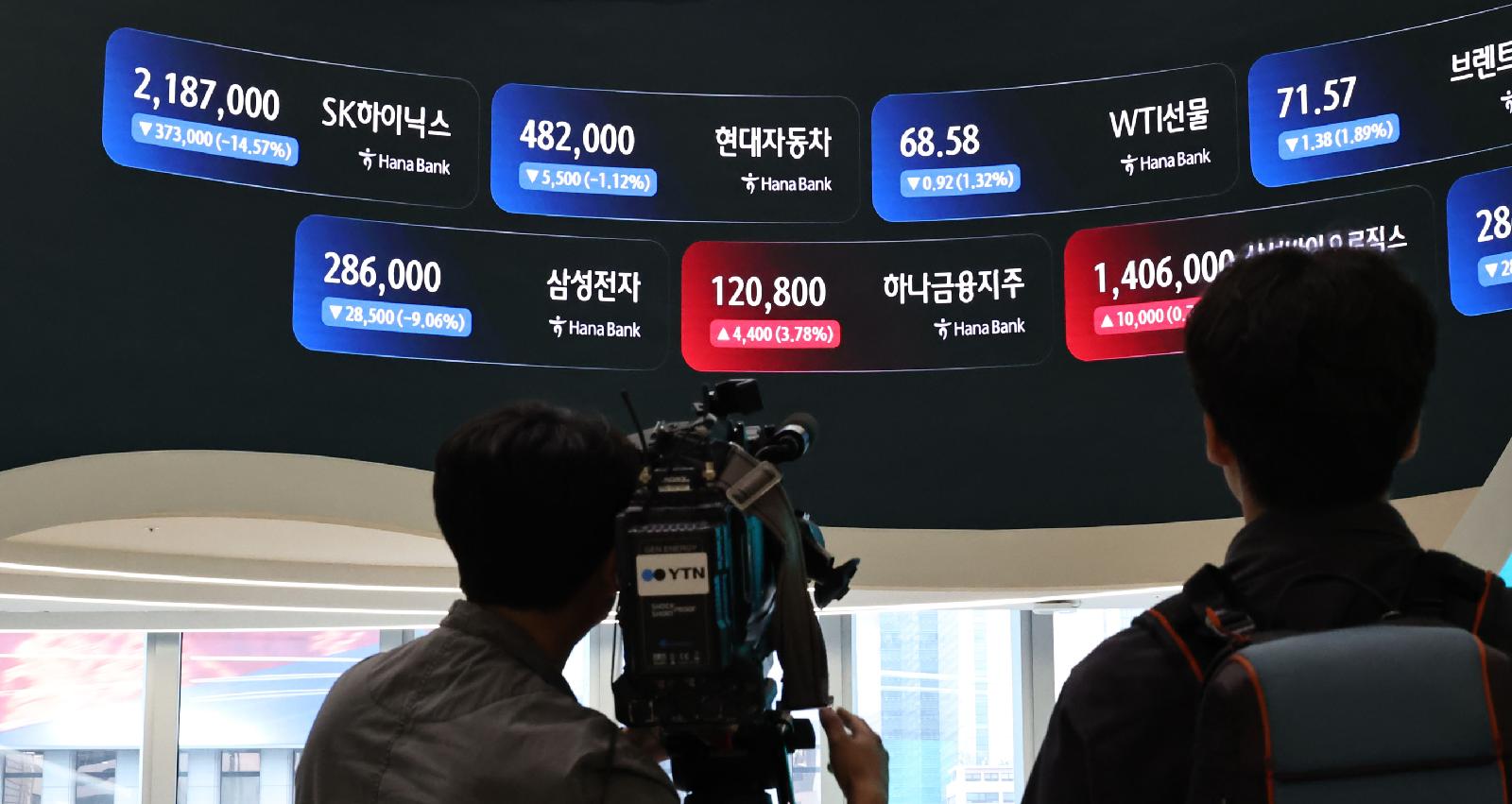
Samsung Electronics and SK Hynix Dominate Searches Before July Earnings
Korean investors are concentrating on Samsung Electronics and SK Hynix as market volatility intensifies. Reports tied to the two chip leaders filled the top 10 most-viewed slots before July earnings. KOSDAQ also entered the top 10 keyword searches, showing continued interest in growth stocks. Earnings, the won-dollar exchange rate and foreign flows will shap
KOSPI at 8,000 Still Looks Cheap as Korea’s Low-PBR Stocks Face a Test
The KOSPI has entered a powerful long-term rally, but the broader Korean market is not uniformly expensive. Semiconductor giants have lifted the index, while many listed companies still trade below book value. Firms without a credible growth path face pressure to return capital through dividends and buybacks. Korea’s next re-rating will depend on shareholder
SK hynix draws elite investor buying as perceived value leads Korea chip trade
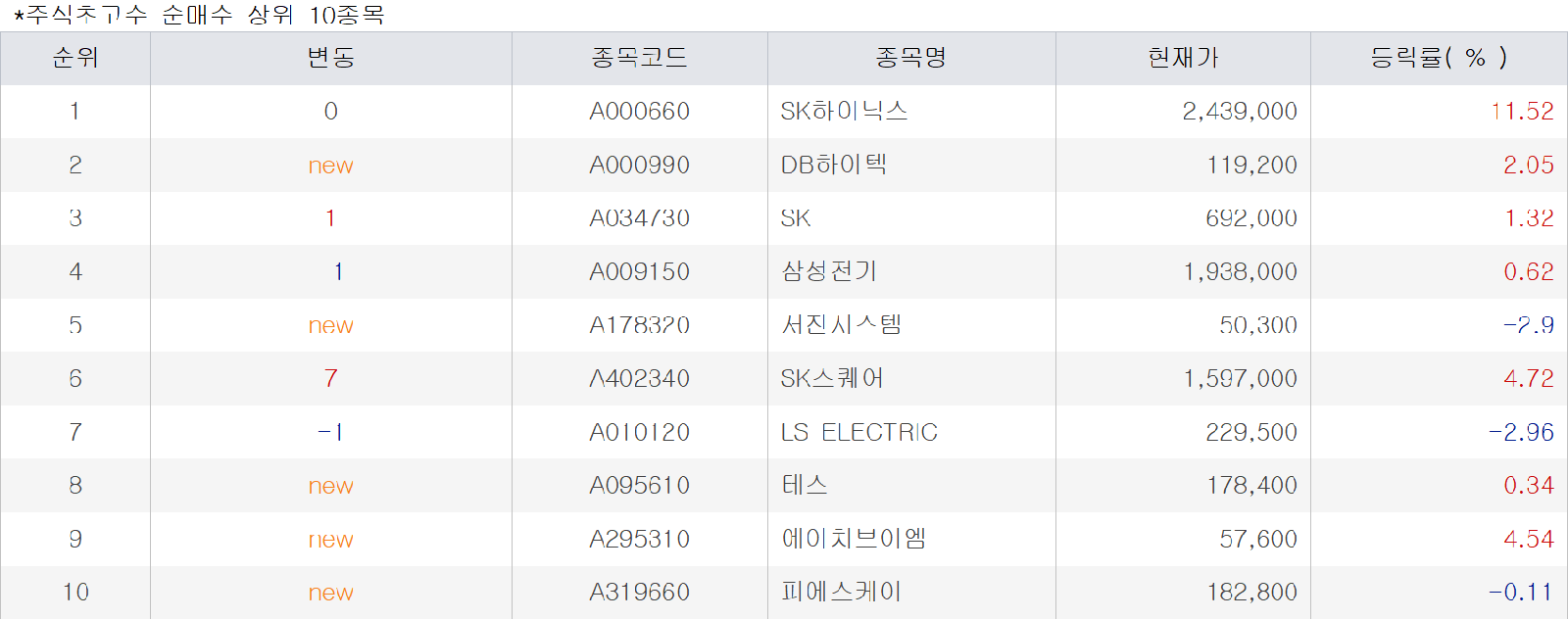
As of 2:30 p.m. on July 3, top 1% return investors were buying SK hynix most aggressively. DB HiTek also ranked among favored purchases, extending interest across chip stocks. Samsung Electronics led net selling but still rose, showing a split in semiconductor flows.
SK Hynix Jumps Over 10% as Institutional Buying Lifts KOSPI Back Above 8,000
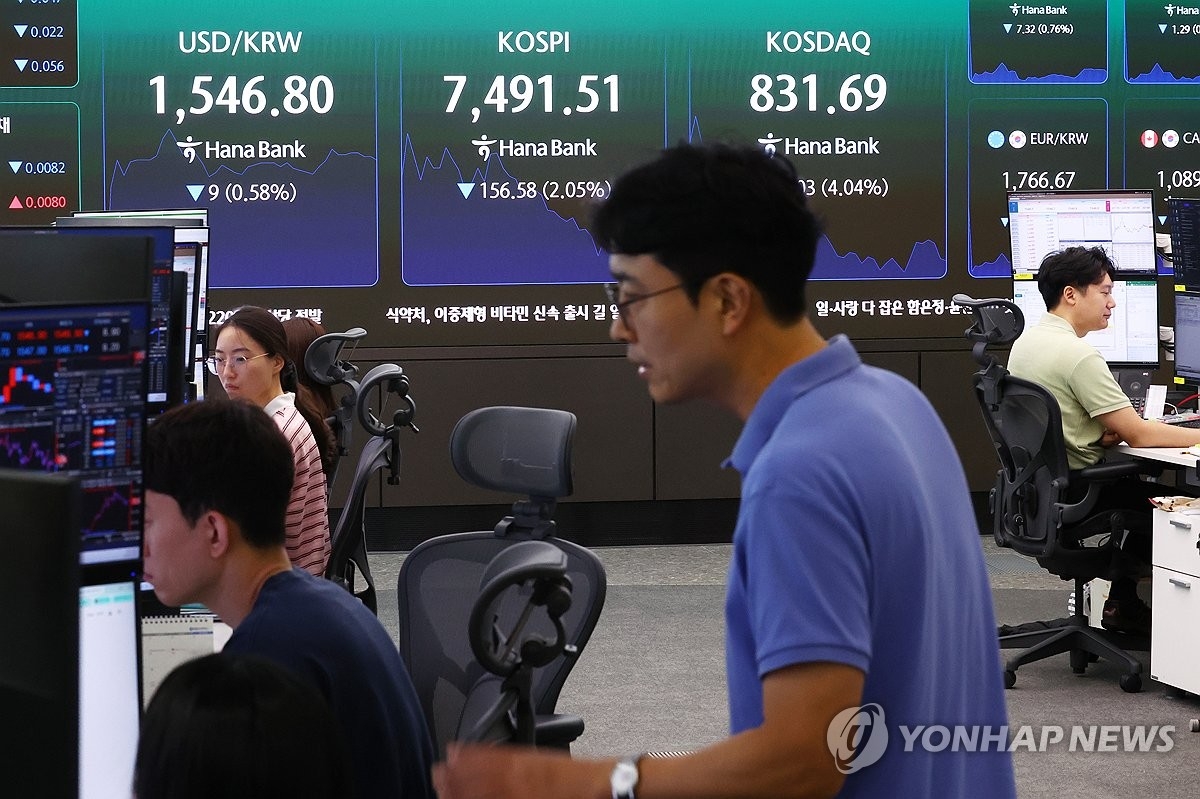
SK Hynix led a powerful rebound in Korean equities on July 3 with a double-digit gain. Samsung Electronics and SK Hynix rose about 8% to 10%, putting semiconductors at the center of the KOSPI recovery. Institutional investors added roughly 4.4 trillion won net, helping the index close back above 8,000.
Meta neocloud review shakes chip stocks as SK Hynix buyers watch rebound
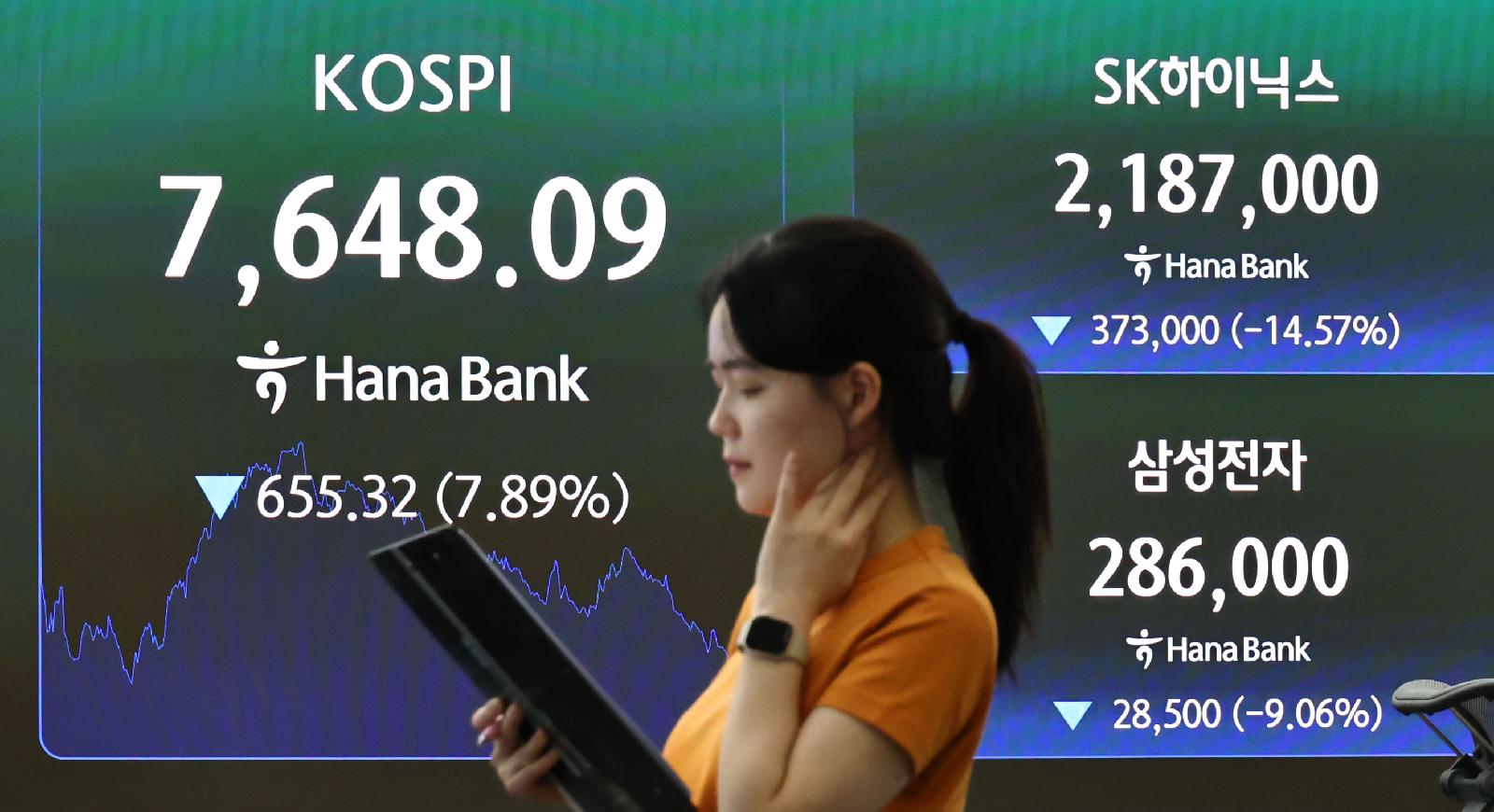
Meta’s review of a neocloud business has shaken Korean semiconductor sentiment. Investors who bought SK Hynix near 290,000 won are watching for a rebound, while Samsung Electronics holders are reassessing memory demand. The key question is whether idle compute sales slow new server investment or coexist with AI infrastructure expansion.
RWA Tokenization Gains Ground as 68% of Asian Investors Already Hold Assets
RWA tokenization is no longer a fringe digital-asset theme in Asia. Sixty-eight percent of high-net-worth and professional investors already hold tokenized real-world assets. About seven in ten are also willing to invest in tokenized stocks, raising pressure on market infrastructure and regulation.
Semiconductor Stocks Brake as Meta Cloud Plan Revives AI Peak-Out Fear
Meta's cloud business review triggered a reassessment of global semiconductor valuations. The key issue is whether available data-center compute points to slower AI server investment. GPU, HBM, foundry and advanced packaging names came under pressure, with Samsung Electronics and SK hynix central to Korea's market response.