National Pension Domestic Stock Return Hits 60% as Fund Gains Reach 208 Trillion Won
Korea’s National Pension recorded a 14% total return as of the end of April 2026. Domestic equities delivered a 60% return, becoming the main driver of fund performance. Investment gains reached 208 trillion won. The Kospi’s move around 6,600 has become a key factor for pension finances and Korea’s capital market.
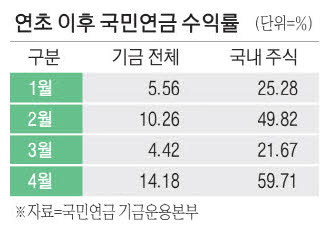
Korea’s National Pension saw its domestic stock return reach 60% by the end of April 2026, making Korean equities the strongest driver of this year’s fund performance. The total fund return stood at 14%, while investment gains reached 208 trillion won. The Kospi’s trading around the 6,600 level fed directly into the portfolio, highlighting how strongly local market conditions now affect long-term pension stability.
Kospi 6,600 and Portfolio Returns
The domestic equity market showed broad strength by late April, led by major large-cap names. As a long-term institutional investor with exposure across key Korean companies and index constituents, the National Pension captured much of the market rally. A 60% domestic equity return far exceeded the total 14% fund return, meaning Korean stocks provided a powerful short-term boost within a diversified portfolio that also includes overseas equities, bonds and alternative assets.
Investment gains of 208 trillion won carry major significance in won terms. The National Pension supports retirement income, and investment income is a key pillar alongside contributions. A strong market does not remove the need for pension reform, but it shapes discussions on funding, contribution rates and asset allocation.
Market Impact and Outlook
The fund’s performance matters for Korea’s stock market because the National Pension is one of its largest long-term investors. Strong equity gains may increase attention on rebalancing and partial profit-taking. For retail investors, the core lesson is not the headline return alone, but how long-term diversified exposure performed in a strong market cycle.
If the Kospi’s momentum continues, valuation gains may expand further. If volatility rises, the 60% return could narrow quickly. The next test is how the fund locks in long-term gains while keeping balance across bonds, overseas assets and alternatives.
Key points
- Korea’s National Pension recorded a 14% total return as of the end of April 2026. Domestic equities delivered a 60% return, becoming the main driver of fund performance. Investment gains reached 208 trillion won. The Kospi’s move around 6,600 has become a key factor for pension finances and Korea’s capital market.
- Use the body and FAQ context before acting on this update.
- Compare with related issues inside the category hub.
FAQ
What was the National Pension’s domestic stock return?
As of the end of April 2026, its domestic stock return reached 60%.
What was the total fund return?
The total fund return stood at 14% at the same point.
Why does 208 trillion won matter?
It represents investment gains in won terms and is a key indicator for pension sustainability and asset allocation.
Latest stories
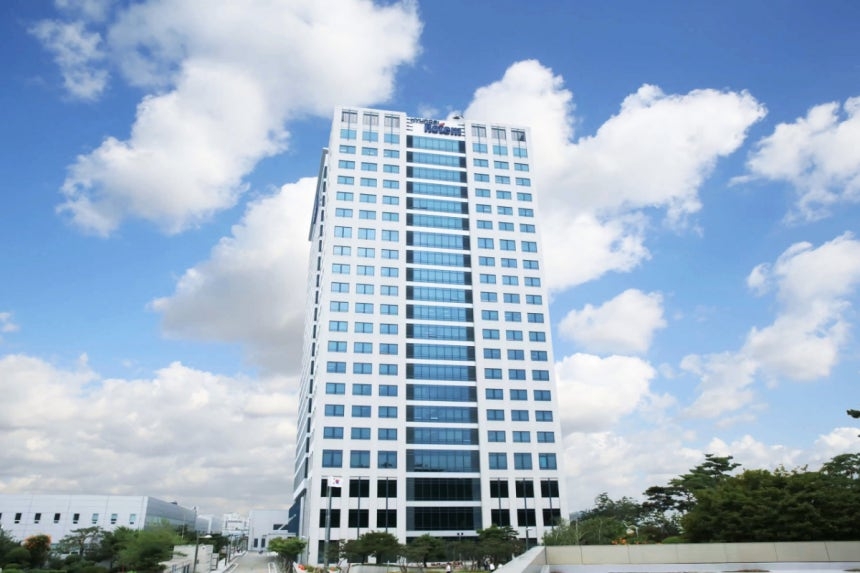
Hyundai Rotem Valuation Lowest Among Korea Defense Five as Q2 Meets Views
Hyundai Rotem is drawing attention for having the lowest relative valuation among Korea’s five leading defense companies. Second-quarter results are expected to match market expectations. The existing target-price reference is 283,000 won, with orders, delivery timing and margins driving the investment case.
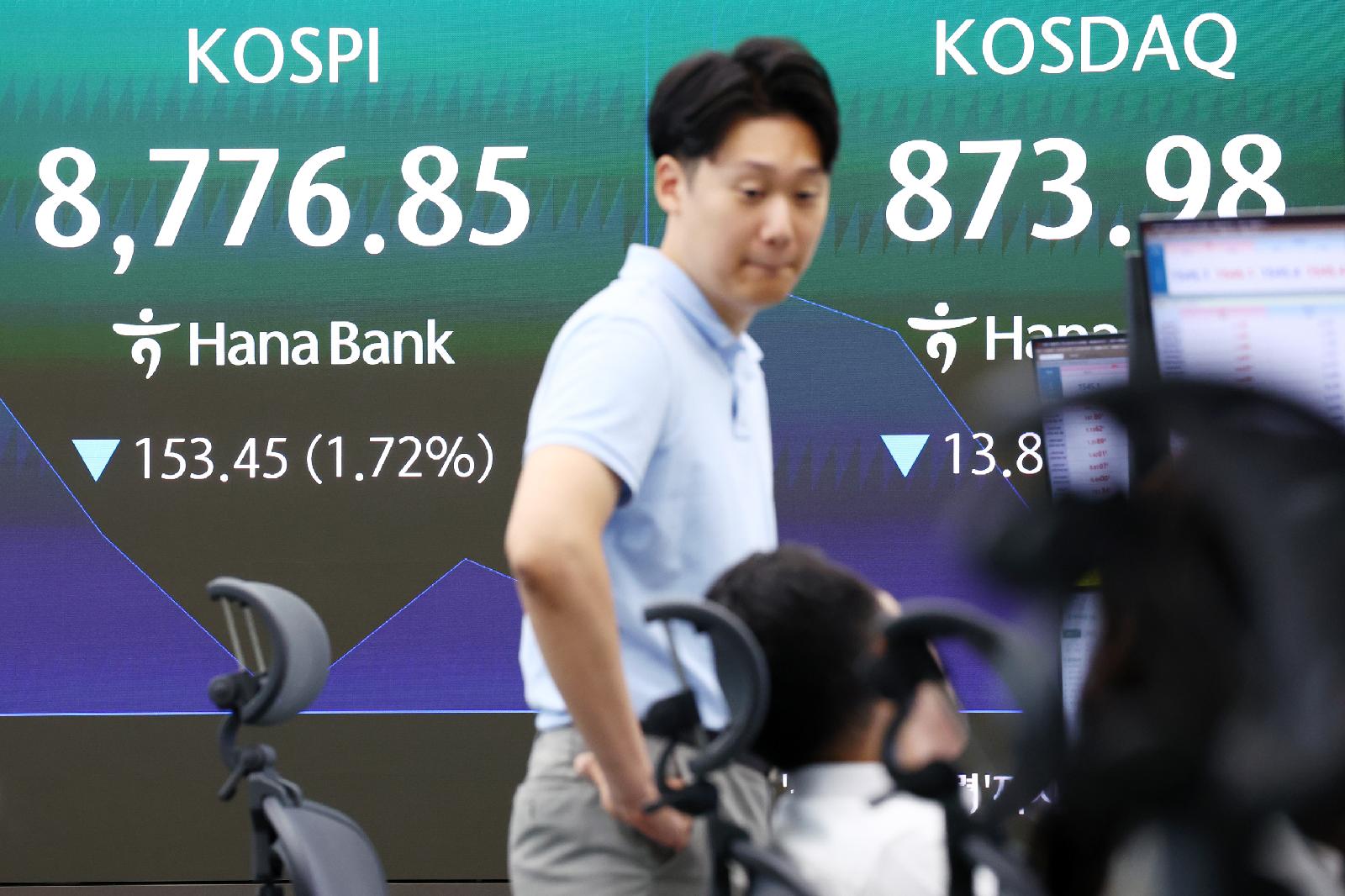
KOSPI Plunges More Than 8%, Circuit Breaker Halts Main Board Trading
The KOSPI dropped more than 8% intraday, forcing a temporary halt in main board trading. A sell-side sidecar had already been activated earlier in the session before the decline deepened. The move sharply raised volatility across Korean equities and index-linked products. Market attention now turns to whether institutional and foreign selling eases after tra
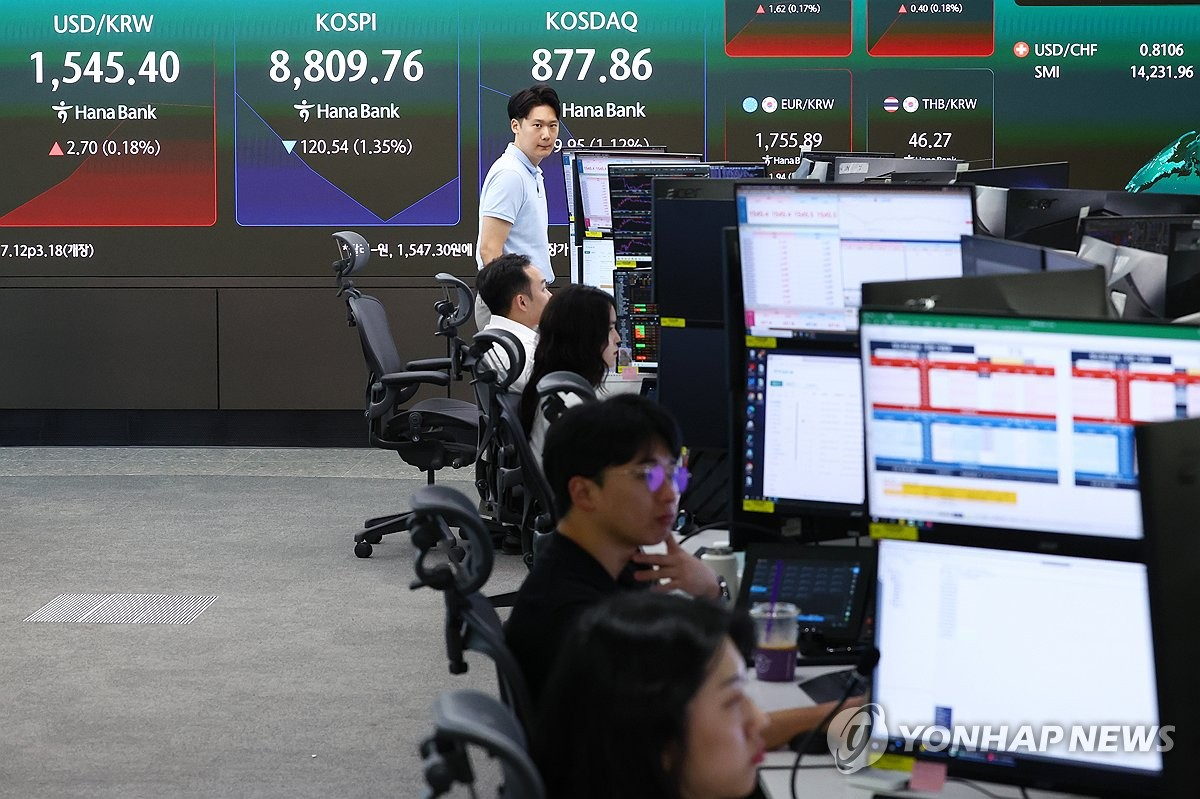
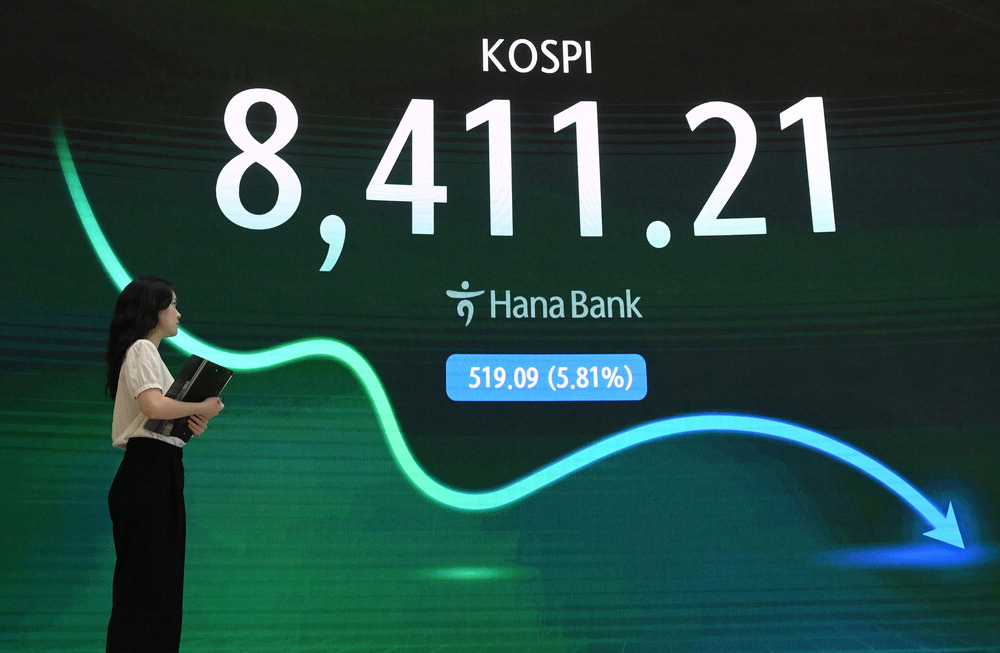
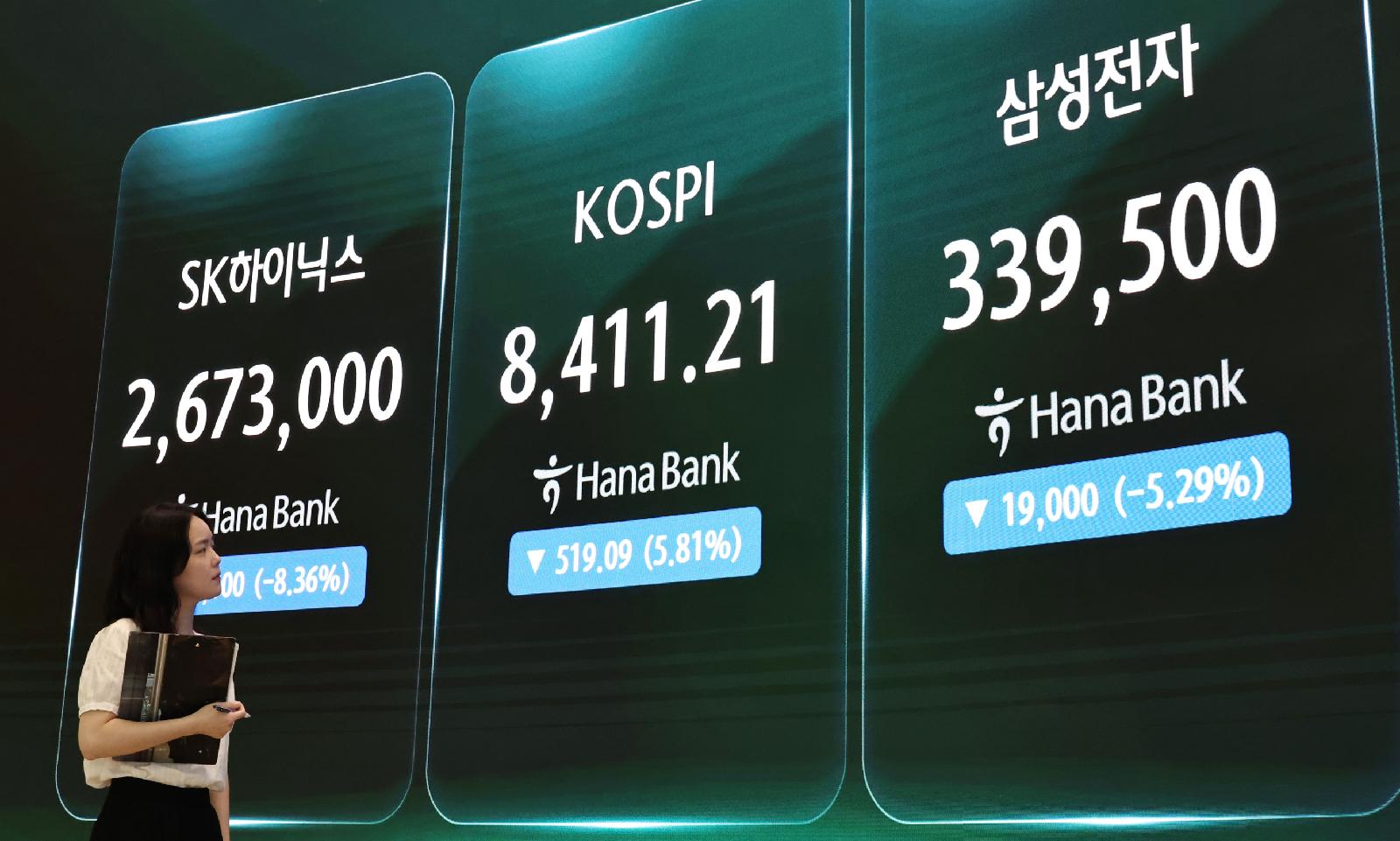
KOSPI tumbles 5.81% to 8,411.21 as AI investment slowdown fears hit Seoul stocks
The KOSPI closed at 8,411.21 on the 26th, down 519.09 points from the previous session. A 5.81% drop reflected rising risk aversion tied to concerns that the AI investment cycle may slow. Large-cap technology and growth stocks led the selloff. Investors are now focused on earnings guidance and foreign fund flows.
KOSPI retreats to 8,400 as foreign and institutional selling revives circuit-breaker fears
The KOSPI retreated to the 8,400 level on the 26th under simultaneous selling by foreign and institutional investors. The previous day’s gain of more than 5%, fueled by Micron’s surprise earnings, quickly lost momentum. Semiconductor optimism remained, but profit-taking and risk aversion revived circuit-breaker concerns.
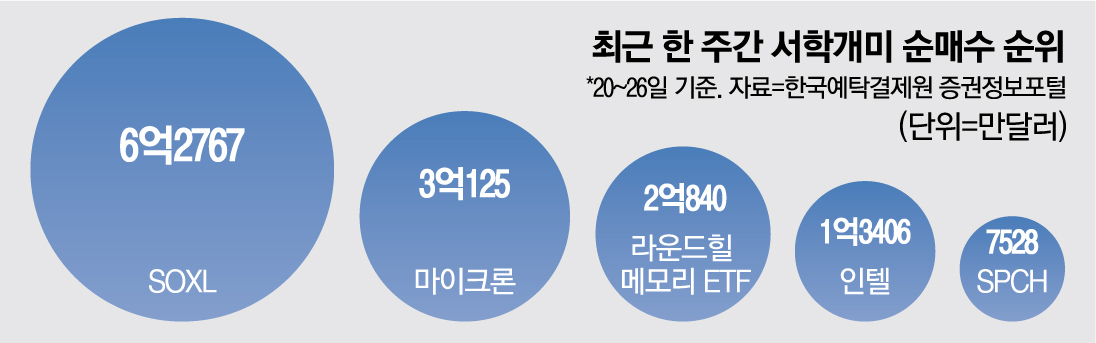
Korean Retail Investors Rush Into 3x Chip ETFs and Micron
Korean overseas-stock investors used the latest semiconductor pullback to build risk-on positions. Capital flowed into 3x leveraged chip ETFs, Micron and memory-focused funds. Currency swings and leverage decay remain key risks for won-based investors.
Korean Retail Investors Exit SpaceX Gains and Return to 3x AI Chip Bets
Korean retail money is rotating from space growth exposure back into AI semiconductors. About $70 million in SpaceX-related holdings was sold, while weekly buying of SOXL reached around 1 trillion won. The move highlights renewed appetite for high-risk leveraged chip trades.
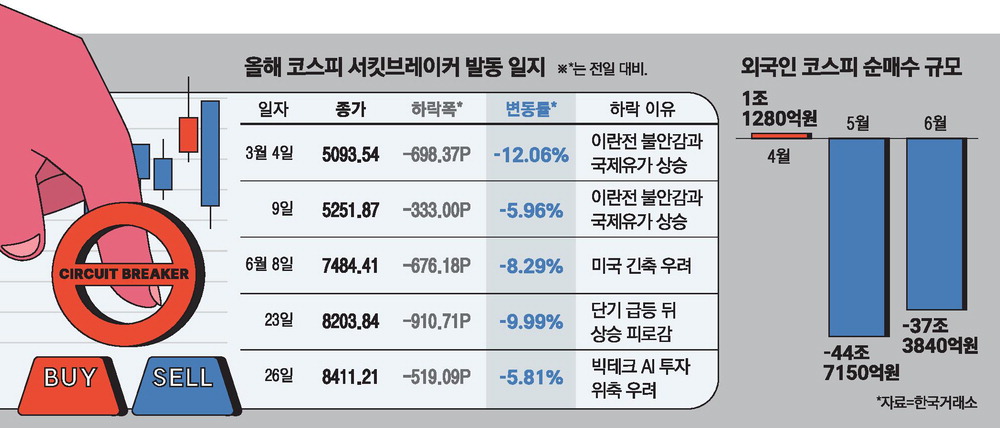
KOSPI Sinks as AI Investment Fears and Apple Price Hike Rattle Memory Demand
The KOSPI dropped nearly 6% on the 26th under heavy selling by foreign and institutional investors. Apple’s expected product price increases raised concerns that consumer replacement demand could slow, pressuring memory semiconductor orders. Korean chip and technology shares now face renewed valuation pressure tied to AI investment expectations.
KOSPI 150x and Samsung-SK Hynix 50x Leverage Ignite Korean Stock Futures Debate
Highly leveraged Korean equity futures have put investor protection back in focus. KOSPI-linked products can reach 150x leverage, while Samsung Electronics and SK Hynix products can reach 50x. Domestic investors appear to be using overseas access routes as semiconductor optimism fuels speculative demand.